
As we navigate the dynamic economic landscape of 2026, one constant concern looms large for investors worldwide: inflation. Despite efforts from central banks globally, the specter of eroding purchasing power continues to challenge portfolio stability. In such an environment, savvy investors are increasingly turning to time-tested assets that have historically offered refuge. Among these, gold stands out, not just as a traditional safe-haven, but as potentially the unrivaled hedge against inflation for 2026. Here at Gainsium, we delve into why the yellow metal is poised to protect your wealth this year and beyond.
The Enduring Link: Gold and Inflation Through History
The concept of gold as an inflation hedge isn’t new; it’s a relationship forged over centuries of economic cycles. Unlike fiat currencies, which can be printed at will by central banks, gold’s supply is finite, making its intrinsic value less susceptible to devaluation. When the purchasing power of paper money declines due to inflation, it historically takes more units of that currency to buy the same amount of gold, thus preserving wealth in real terms.
Historical Precedent: Gold’s Inflationary Performance
- The 1970s Stagflation: During this decade of high inflation and slow growth, gold prices surged dramatically. From under $50/ounce in 1970, gold soared past $800/ounce by 1980, showcasing its potent ability to protect against runaway inflation.
- Post-2008 Financial Crisis: Following massive quantitative easing programs, concerns about currency debasement fueled gold’s climb from under $1,000 to over $1,900 by 2011.
- Early 2020s Volatility: The unprecedented fiscal and monetary stimulus in response to global events saw gold retest and ultimately break new all-time highs, demonstrating its continued relevance in modern inflationary environments.
This historical pattern underscores a fundamental truth: when confidence in traditional economic policies or currencies wavers, gold often steps in to fill the void, acting as a reliable store of value.
2026 Outlook: Why Inflation Persists & Gold’s Role
Looking ahead to 2026, the inflationary pressures of the past few years haven’t entirely dissipated. While some headline figures may have moderated, underlying factors suggest persistent “sticky” inflation, making gold’s role even more critical.
Key Inflationary Headwinds in 2026:
- Supply Chain Realignment: While initial bottlenecks have eased, geopolitical tensions and a move towards ‘friend-shoring’ continue to restructure global supply chains, potentially leading to higher input costs and consumer prices.
- Labor Market Dynamics: Persistent wage growth pressures in key economies, as workers seek to regain lost purchasing power, feed into a wage-price spiral that is difficult for central banks to control without significant economic contraction.
- Energy Transition Costs: The global push towards green energy, while crucial, involves significant capital expenditure and potential disruptions to traditional energy sources, which can create inflationary spikes.
- Lagging Monetary Policy Effects: The full impact of previous quantitative easing and high government spending continues to work its way through the financial system, maintaining a floor under inflationary expectations.
In this complex environment, gold offers a tangible asset that bypasses the vagaries of currency fluctuations and the direct impact of interest rate decisions, making it an attractive inflation hedge.
Key Fundamental Drivers for Gold in 2026
Beyond inflation itself, several fundamental factors are converging in 2026 to bolster gold’s appeal.
The Pillars Supporting Gold’s Ascent:
- Central Bank Buying Sprees: A significant trend of the past decade, central banks, particularly those in emerging markets, continue to diversify their reserves away from the U.S. dollar and into gold. This strategic buying provides a robust demand floor, shielding gold prices from potential dips. Expect this trend to continue, driven by de-dollarization efforts and geopolitical hedging.
- U.S. Dollar Index (DXY) Weakness: As global inflation persists and other economies show resilience, the U.S. Dollar Index (DXY) may face downward pressure. A weaker dollar typically makes gold more affordable for international buyers, increasing demand and often leading to higher prices in dollar terms.
- Real Interest Rates Remain Subdued: Gold performs best when real interest rates (nominal interest rates minus inflation) are low or negative. While central banks may continue to maintain nominal rates to combat inflation, if inflation rates remain elevated, real interest rates could stay depressed or even negative, creating a favorable environment for non-yielding gold.
- Geopolitical Volatility: Ongoing global conflicts, trade disputes, and political uncertainties continue to fuel a flight to safety. Gold, as the ultimate crisis commodity, benefits immensely from heightened geopolitical risks, acting as a trusted haven during turbulent times.
Technical Analysis & Key Price Levels for 2026
From a technical perspective, gold has demonstrated remarkable resilience and upward momentum as we entered 2026. After a period of consolidation, it has established new higher lows and shows clear bullish patterns on longer-term charts.
Navigating Gold’s Price Landscape:
As of early 2026, gold has solidified its position well above the critical $2,000 per ounce threshold, with many analysts eyeing significant upside. Key resistance levels are now projected around $2,380-$2,420. A decisive break above this zone, potentially fueled by renewed inflation fears or a significant geopolitical event, could pave the way towards new all-time highs, with targets of $2,600 and even $2,800+ becoming realistic by year-end. On the downside, strong support has formed around the $2,150-$2,200 region, acting as a significant psychological and technical floor for any pullbacks.
Momentum indicators remain constructive, suggesting that investor conviction in gold’s long-term trajectory is strong. Traders are closely watching the 50-week and 200-week moving averages, which continue to trend upwards, signaling a healthy bull market.
Practical Advice: Integrating Gold into Your 2026 Portfolio
Given its robust inflation-hedging properties and compelling fundamental and technical outlook, integrating gold into your portfolio for 2026 makes strategic sense. However, a balanced approach is key.
Smart Gold Investment Strategies:
- Diversify, Don’t Dominate: Gold should be a component of a well-diversified portfolio, typically representing 5-15% of total assets, depending on individual risk tolerance and investment goals. It’s a hedge, not a primary growth engine.
- Choose Your Investment Vehicle:
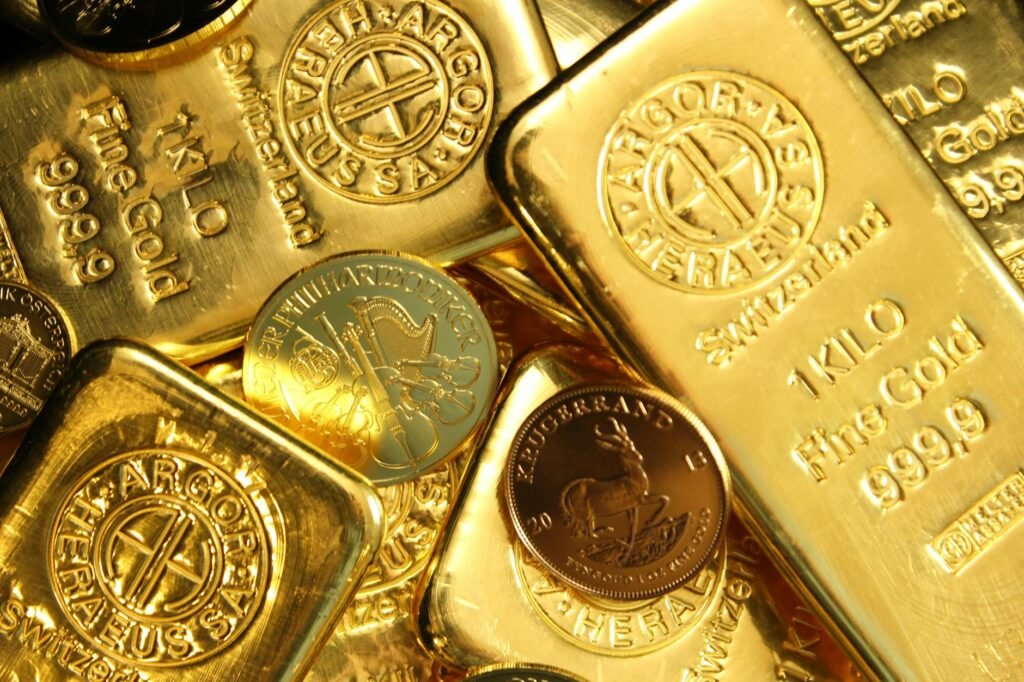
- Physical Gold: Bullion (bars, coins) offers direct ownership but comes with storage and insurance costs.
- Gold Exchange-Traded Funds (ETFs): Funds like GLD or IAU provide convenient exposure to gold prices without the hassle of physical storage.
- Gold Mining Stocks: Companies involved in gold extraction can offer leveraged exposure to gold price movements, but also carry company-specific risks.
- Gold Futures/Options: For sophisticated investors seeking leveraged exposure, though these carry higher risk.
- Dollar-Cost Averaging: Instead of making a single lump-sum investment, consider investing a fixed amount regularly. This strategy helps mitigate risk by averaging out your purchase price over time.
- Understand Risks: While gold is a hedge, it does not pay dividends or interest. There’s also an opportunity cost, and prices can be volatile in the short term.
- Consult a Financial Advisor: Before making significant investment decisions, seek personalized advice to ensure it aligns with your overall financial plan.
Conclusion: Gold – Your Anchor in Inflationary Waters
In a 2026 economic climate characterized by persistent inflationary pressures and geopolitical uncertainties, gold stands out as an indispensable asset for portfolio resilience. Its historical track record, coupled with compelling fundamental drivers like central bank demand, a potentially weaker dollar, and subdued real interest rates, paints a clear picture of its enduring value. While no investment is without risk, gold’s unique ability to preserve purchasing power makes it the premier hedge against inflation this year. As you refine your investment strategy for 2026, consider the golden opportunity to anchor your wealth against the tides of rising prices.