
As we navigate the mid-2020s, the investment landscape of 2026 continues to present a complex mix of opportunities and challenges. Persistent inflation, evolving geopolitical dynamics, and the constant hum of economic uncertainty are prompting savvy investors to re-evaluate traditional portfolio constructions. In this environment, the timeless appeal of precious metals — particularly gold and silver — is resurfacing as a crucial element for safeguarding wealth and enhancing diversification. This guide from Gainsium will explore why incorporating these assets into your investment strategy in 2026 isn’t just a historical anecdote, but a forward-thinking move to protect and potentially grow your capital.
The 2026 Economic Climate: Why Diversify Now?
The year 2026 finds global economies in a period of recalibration. While some central banks may have begun modest interest rate cuts, inflation, though potentially easing from its 2022-2024 peaks, remains sticky and above historical norms in many regions. Geopolitical tensions continue to simmer, causing supply chain disruptions and fostering market volatility. The tech sector, having undergone significant re-evaluation, is finding its footing, but broader market sentiment remains cautious. This cocktail of factors underscores a critical need for portfolio resilience.
Traditional asset classes like stocks and bonds, while foundational, can be highly correlated during periods of economic stress. When equities tumble, bonds don’t always offer the expected safe haven, especially if inflation erodes their real returns. This is where non-correlated assets, specifically precious metals, become invaluable. Their ability to march to the beat of a different drum — often inversely to the stock market or as a hedge against currency debasement — provides a crucial buffer against systemic shocks and market downturns prevalent in 2026.
Gold’s Enduring Appeal in 2026 and Beyond
Gold, the quintessential safe-haven asset, continues its role as a bedrock for wealth preservation in 2026. Its intrinsic value and limited supply make it an attractive store of value when confidence in fiat currencies or traditional financial instruments wanes.
Gold as a Hedge Against Inflation
In 2026, with inflation proving more persistent than initially anticipated, gold’s role as an inflation hedge is more pertinent than ever. Historically, gold has maintained its purchasing power over the long term, unlike paper currencies that can lose value due to inflationary pressures. Data from the early 2020s shows gold performing robustly during periods of rising consumer prices, a trend that is expected to continue as economies navigate the sustained effects of post-pandemic stimulus and geopolitical cost pressures.
Safe Haven Status Amid Geopolitical Turmoil
The global stage in 2026 is still marked by significant geopolitical events, regional conflicts, and shifting alliances. In such times of uncertainty, investors flock to gold as a tangible asset universally recognized as valuable. This flight to safety often pushes gold prices higher, providing a protective cushion for portfolios exposed to more volatile assets. Central bank demand for gold has also been notably strong in recent years, signalling a global trend towards de-risking and diversifying national reserves.
Portfolio Stabilizer: Low Correlation
One of gold’s most compelling attributes for 2026 diversification is its historically low correlation with major asset classes like stocks and bonds. This means that when equities or fixed-income investments are under pressure, gold often performs independently or even inversely, helping to reduce overall portfolio volatility and drawdown risk. Adding a modest allocation to gold can significantly enhance a portfolio’s risk-adjusted returns, especially in an unpredictable year like 2026.
Beyond Gold: Silver and Other Precious Metals in Your 2026 Strategy
While gold often takes the spotlight, a comprehensive precious metals diversification strategy in 2026 should also consider silver, platinum, and palladium, each offering unique risk-reward profiles.
The Dual Nature of Silver
Silver is often called ‘poor man’s gold,’ but its dynamics are far more complex. In 2026, silver benefits from both its monetary history and surging industrial demand. Its use in green technologies — particularly solar panels, electric vehicles (EVs), and advanced electronics — is expected to grow significantly. This industrial demand acts as a strong price driver, giving silver a higher beta than gold and making it potentially more volatile, but also offering greater upside in a growing economy. As the global push for sustainability intensifies in 2026, silver’s industrial applications position it uniquely.
Platinum and Palladium: Industrial Powerhouses
Platinum and palladium are primarily industrial metals, with catalytic converters in internal combustion engine vehicles being their main application. However, in 2026, their roles are evolving. Platinum is gaining traction in hydrogen fuel cell technology, a key component of the future energy landscape. Palladium, while facing some headwinds from the decline of traditional combustion engines, still plays a vital role in certain industrial processes and electronics. Monitoring the supply-demand dynamics — particularly mining output and technological shifts — is crucial for these metals.
Practical Ways to Invest in Precious Metals in 2026
Diversifying with precious metals can be achieved through several avenues, each with its own advantages and considerations:
Physical Bullion
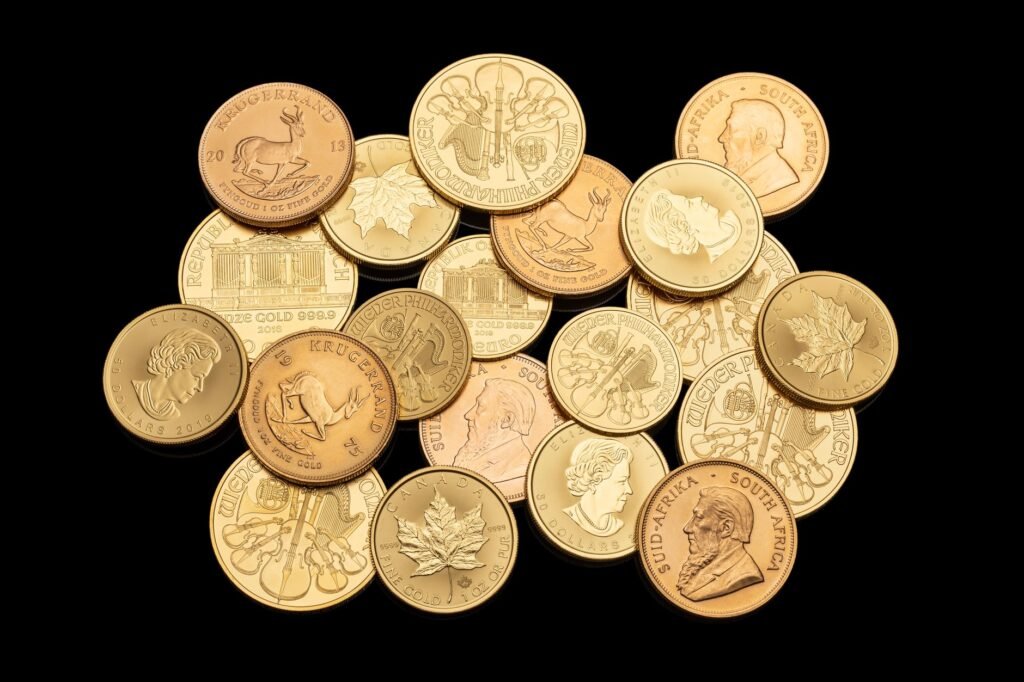
Direct ownership of gold or silver coins and bars offers the ultimate sense of security and control. You physically possess the asset. However, this comes with considerations for secure storage (e.g., home safe, third-party vault) and insurance. For 2026, direct physical ownership is ideal for those seeking a true ‘hedge against the system’ and who prioritize tangible assets.
Gold and Silver ETFs/ETCs
Exchange-Traded Funds (ETFs) or Exchange-Traded Commodities (ETCs) that hold physical bullion are a highly liquid and accessible way to gain exposure. They track the price of the metal without the complexities of physical storage and insurance. Ensure you choose funds backed by physical metal, rather than futures contracts, for genuine metal exposure.
Mining Stocks and Funds
Investing in the shares of gold, silver, or diversified precious metal mining companies, or through sector-specific ETFs, offers leveraged exposure to metal prices. When metal prices rise, mining profits can increase disproportionately. However, these investments also carry company-specific risks (management, operational costs, political risks in mining regions). For 2026, look for companies with strong balance sheets, efficient operations, and a clear growth pipeline.
Digital Gold Platforms
An emerging trend for 2026 is the growth of secure digital platforms allowing fractional ownership of allocated physical gold. These platforms offer liquidity, lower entry barriers, and often include professional vaulting. They bridge the gap between physical ownership and digital convenience, appealing to a tech-savvy investor base.
Key Considerations for Your 2026 Precious Metals Allocation:
- Allocation Percentage: Financial advisors often recommend a 5-15% allocation to precious metals, depending on your risk tolerance and existing portfolio.
- Investment Horizon: Precious metals are generally considered long-term holdings for wealth preservation, not short-term trading instruments.
- Due Diligence: Research any fund, company, or platform thoroughly before investing. Understand their fees, underlying assets, and security measures.
Conclusion: Fortifying Your Wealth in 2026
In a 2026 marked by ongoing economic complexities and geopolitical shifts, the strategic inclusion of gold, silver, and other precious metals in your investment portfolio is not merely a defensive tactic, but a proactive measure for robust wealth protection. Their proven track record as inflation hedges, safe havens, and portfolio diversifiers makes them indispensable components of a well-balanced strategy. By understanding the unique characteristics of each metal and choosing the investment vehicle that aligns with your goals, you can leverage these enduring assets to enhance your portfolio’s resilience and navigate the future with greater confidence. Gainsium encourages you to thoughtfully integrate precious metals into your long-term financial plan.