
As we navigate the opening chapters of 2026, the S&P 500 stands at a critical juncture. The echoes of late 2025’s robust rally, largely fueled by renewed optimism around artificial intelligence and a softening inflation narrative, still resonate. However, a myriad of complex macroeconomic signals and evolving technological landscapes prompt a crucial question for investors: Is the S&P 500 poised for a continued bullish ascent, or are we on the cusp of a significant bear market correction? At Gainsium, we believe a comprehensive analysis, blending both technical and fundamental insights with a sharp focus on the transformative AI sector, is essential to decode what lies ahead.
The Macroeconomic Tapestry: A Fundamental Look at 2026
The economic environment in 2026 is a blend of resilience and lingering uncertainty. While the global economy has largely absorbed the higher interest rate environment of previous years, the path forward is anything but linear.
Inflation and Interest Rates: The Lingering Debate
Inflation, while significantly off its 2022 peaks, has proven stickier than many central banks initially projected. As of early 2026, we see core inflation metrics hovering slightly above target ranges in key economies. This has led to a cautious stance from central banks, particularly the Federal Reserve. While the aggressive rate hike cycle is firmly in the rearview mirror, the market’s initial exuberance for rapid rate cuts has been tempered. We anticipate a period where interest rates remain at an elevated plateau for longer than historically typical, with any cuts being gradual and data-dependent. This ‘higher for longer’ paradigm will continue to place a premium on companies with strong balance sheets and sustainable cash flows, and could exert pressure on growth stocks requiring easy access to capital.
Global Growth and Geopolitical Currents
Global growth in 2026 is bifurcated. The US economy has demonstrated remarkable resilience, driven by a strong labor market and robust consumer spending, albeit showing early signs of deceleration. Europe, however, continues to grapple with energy transition costs and slower demographic growth, while China faces its own structural challenges. Geopolitical tensions, particularly concerning critical supply chains and regional conflicts, remain a persistent risk factor. Any escalation could send ripple effects through commodity markets and corporate earnings, warranting close monitoring.
S&P 500 Technicals: Decoding Market Signals
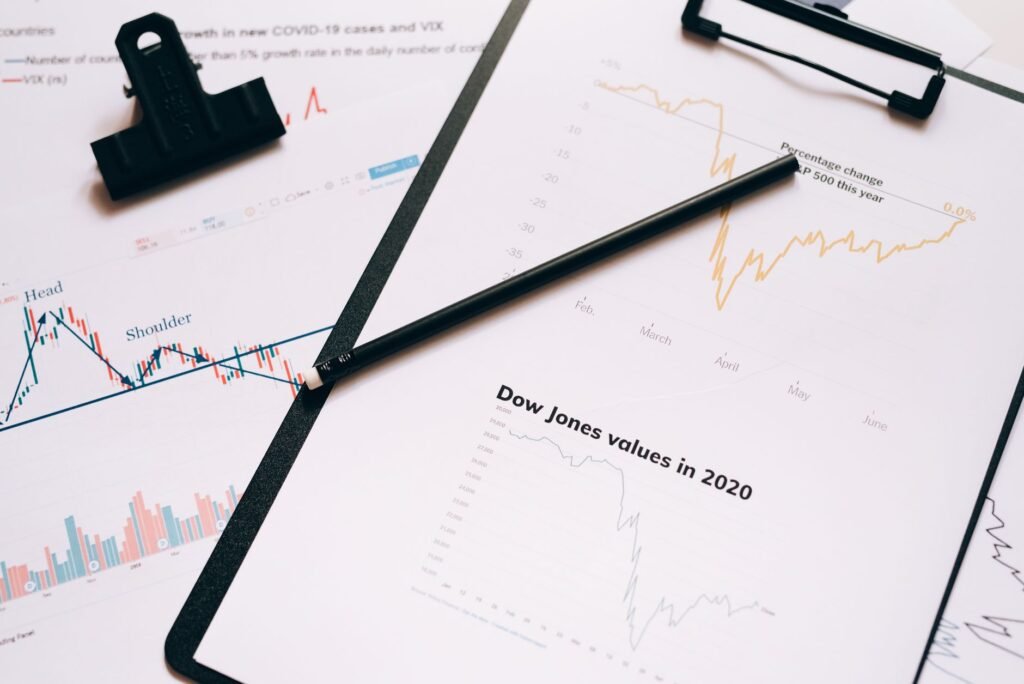
From a technical perspective, the S&P 500 entered 2026 on a high note, having successfully breached and held several key resistance levels in late 2025. However, early 2026 has witnessed some consolidation, suggesting a period of digestion after the previous year’s gains.
Key Technical Indicators
- Support and Resistance: The 5,100-5,200 range has emerged as a critical support zone. A sustained breach below this could signal further downside. Conversely, breaking above 5,450-5,500 would confirm bullish momentum.
- Market Breadth: While the headline S&P 500 performance has been strong, market breadth indicators (e.g., number of stocks above their 200-day moving average) show signs of narrowing. This suggests that a significant portion of the gains are still concentrated in a few mega-cap names, which could make the broader market vulnerable to pullbacks in those key stocks.
- Volatility Index (VIX): The VIX has largely remained subdued below 20, indicating a relatively calm market. However, any sustained spike above 25 would signal increasing investor fear and potential for sharp corrections.
Technically, the market appears to be in a delicate balance. A healthy correction could reset valuations and attract new buyers, while a failure to hold key support levels could trigger a deeper sell-off.
The AI Revolution: Driving Force or Overheated Bubble?
No analysis of the S&P 500 in 2026 would be complete without a deep dive into the artificial intelligence sector, which has been the undisputed market darling of the past two years. The question now is whether the hype cycle can translate into sustainable, widespread profitability.
AI Sector Performance and Valuations
The AI sector, encompassing everything from chip manufacturers and cloud infrastructure providers to software and application developers, continues to exhibit robust growth. Early 2026 earnings reports from leading AI players have generally exceeded expectations, driven by enterprise adoption and increasing R&D investments. However, valuations for many pure-play AI companies remain stretched, trading at significant premiums to the broader market and even to their historical averages. Investors are increasingly scrutinizing not just revenue growth, but also profitability margins and the tangible return on investment from AI implementations across various industries.
From Hype to Tangible Productivity
The shift in 2026 is from speculative promise to demonstrable productivity gains. Companies that can effectively integrate AI to reduce costs, enhance efficiency, and create new revenue streams are the ones truly benefiting. This is leading to a bifurcation within the sector: those offering foundational AI technologies (semiconductors, core models, cloud services) continue to see strong demand, while application-layer companies are under greater pressure to show clear differentiation and economic value. We are seeing early signs of AI-driven productivity boosts filtering into broader corporate earnings, which could act as a significant tailwind for the S&P 500, but only if widely distributed.
Navigating 2026: Investment Implications and Actionable Advice
Considering the complex interplay of macroeconomic forces, technical signals, and the AI revolution, 2026 is likely to be a year of selectivity rather than broad-based market moves. A nuanced approach is paramount.
Practical Strategies for Investors:
- Embrace Diversification: While AI remains a powerful theme, don’t put all your eggs in one basket. Diversify across sectors, geographies, and asset classes to mitigate concentration risk. Consider defensive sectors that perform well during economic uncertainties.
- Focus on Quality and Profitability: In a ‘higher for longer’ rate environment, companies with strong balance sheets, consistent profitability, healthy free cash flow, and sustainable competitive advantages will outperform. Scrutinize valuations, especially for high-growth tech stocks.
- Long-Term Perspective on AI: The AI revolution is a multi-decade trend. Short-term volatility is inevitable. Instead of chasing the latest AI fad, identify companies that are *enabling* AI (e.g., chipmakers, cloud infrastructure) or *effectively leveraging* AI to transform their core business, demonstrating clear ROI.
- Monitor Macro Indicators Closely: Pay close attention to inflation data, central bank communications, and employment figures. These will dictate the trajectory of interest rates, which remains a primary driver of market sentiment.
- Rebalance Periodically: As market dynamics shift, regularly rebalance your portfolio to ensure it aligns with your risk tolerance and investment objectives. Don’t let outsized gains in one sector lead to unintended concentration.
Conclusion: A Nuanced Outlook for the S&P 500 in 2026
In conclusion, the S&P 500 in 2026 appears to be neither heading for an unrestrained bull run nor an immediate, crushing bear market. Instead, we anticipate a period of moderated growth and increased volatility, characterized by a more discerning market. The ‘higher for longer’ interest rate environment, coupled with uneven global growth, will likely cap broad market exuberance. However, the transformative power of AI, as it moves from experimental phase to tangible productivity gains, provides a powerful underlying current of innovation and economic potential.
Investors who prioritize strong fundamentals, prudent diversification, and a strategic, long-term approach to the AI theme are best positioned to navigate the complexities of 2026. This year will reward diligence, research, and a clear understanding of where genuine value is being created, rather than where the loudest hype resides.