
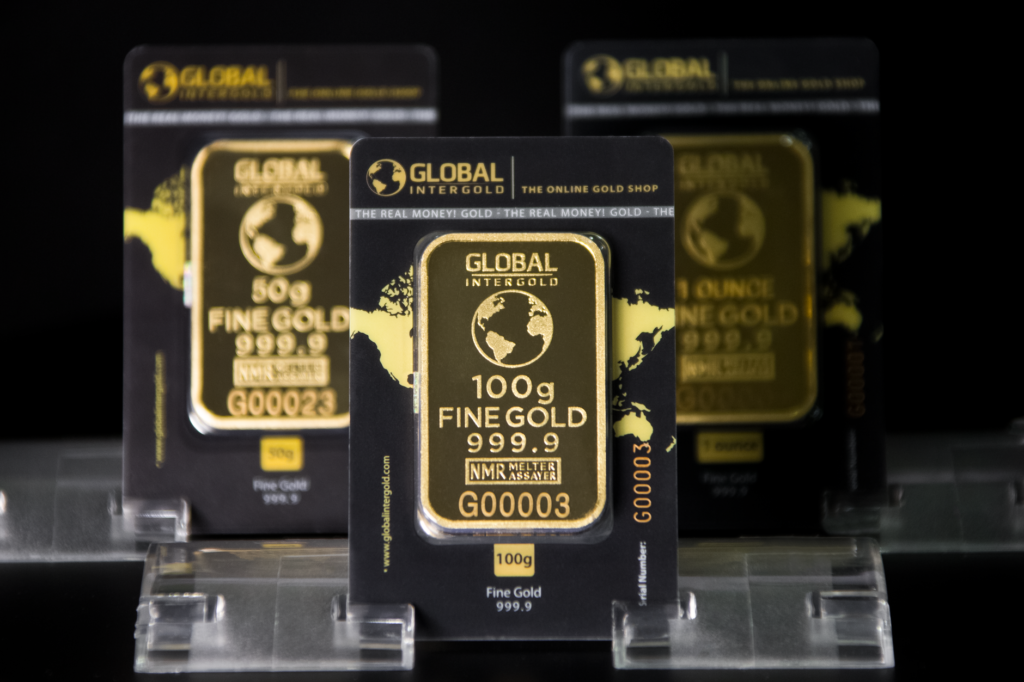

In 2026, the question of what truly makes gold a reliable store of value remains highly relevant for individuals seeking to understand its place in a diversified financial approach. Gold’s enduring perception as a safe haven asset is influenced by a complex interplay of economic fundamentals, historical performance, and deep-seated psychological factors. This article will explore these crucial determinants that shape gold’s function as a wealth preserver in the current global landscape, offering a nuanced perspective on its continued relevance.
Economic Fundamentals Shaping Gold’s Value in 2026
Gold’s role as a store of value is inextricably linked to prevailing economic conditions. In 2026, several key economic indicators continue to influence how market participants perceive and utilize gold.
Inflationary Pressures and Interest Rates
Persistent inflation or the threat of it is often a significant catalyst for gold demand. When the purchasing power of fiat currencies erodes, gold, a tangible asset with a finite supply, frequently gains appeal as a hedge. Historically, gold has often shown resilience during periods when consumer prices are rising notably. Conversely, real interest rates – the nominal interest rate minus the inflation rate – also play a critical role. When real interest rates are low or negative, the opportunity cost of holding non-yielding gold decreases, making it more attractive. In 2026, central bank policies regarding interest rates, in response to varying inflation targets and economic growth data, continue to be closely watched by those considering gold’s potential.
Geopolitical Landscape and Uncertainty
Global stability is a significant factor in gold’s safe-haven appeal. Periods of heightened geopolitical tension, international conflicts, or widespread political uncertainty often prompt a flight to quality assets. Gold’s status as a universally recognized asset, independent of any single government or financial institution, makes it a favored choice during such times. The ongoing complexities of international relations and regional conflicts in 2026 contribute to an underlying demand for assets perceived as secure.
Currency Dynamics and Central Bank Activity
The stability of major fiat currencies can also influence gold’s standing. When the value of key reserve currencies faces volatility or appears to be weakening, gold can serve as an alternative store of wealth. It often acts as a counterweight to currency devaluation. Moreover, central bank buying has been a notable trend in recent years, including in 2026. Many central banks diversify their reserves with gold, recognizing its role in monetary stability and its lack of counterparty risk. This consistent institutional demand provides a fundamental floor for gold’s perceived value.
Historical Context and Modern Market Structure
Gold’s legacy as a store of value is not merely a modern phenomenon; it is deeply rooted in human history and bolstered by contemporary market mechanisms.
A Millennia-Old Legacy
For thousands of years, gold has been revered as a symbol of wealth and power. It has served as currency, a medium of exchange, and a fundamental store of value across countless civilizations and cultures. This enduring historical precedent imbues gold with an unparalleled level of trust and recognition. Its physical properties—rarity, malleability, and resistance to corrosion—made it ideal for these roles, creating a foundation of intrinsic value that persists today.
Performance Through Crises
Throughout history, gold has frequently demonstrated its ability to preserve wealth during economic downturns, market crashes, and periods of hyperinflation. When traditional financial markets experience significant stress, some investors often reallocate a portion of their capital into gold, seeking its perceived stability. This historical tendency for gold to act as a diversifier or a hedge against systemic risk reinforces its reputation as a reliable store of value in turbulent times.
Evolving Market Access and Supply
In 2026, the market for gold is more accessible than ever before. Beyond physical bars and coins, investors can gain exposure through instruments like gold Exchange Traded Funds (ETFs), which track the price of gold and are backed by physical bullion. Digital gold platforms also offer alternative ways to own gold. These modern mechanisms allow for easier trading and liquidity, expanding its reach. On the supply side, annual gold mining output, while significant, is constrained by geological factors, and recycling also contributes to the total available supply. The relatively slow and finite nature of new supply, compared to the potential for unlimited fiat currency creation, is a key characteristic supporting gold’s value proposition.
Psychological and Behavioral Determinants
Beyond economics and history, human psychology plays a profound role in gold’s persistent appeal as a store of value.
The
Disclaimer: This article is provided for general informational and educational purposes only and does not constitute financial, investment, trading, or legal advice. Gainsium is not a registered investment advisor. Markets are volatile and past performance does not guarantee future results. Readers should conduct their own research and consult a licensed financial advisor before making any investment decisions.