
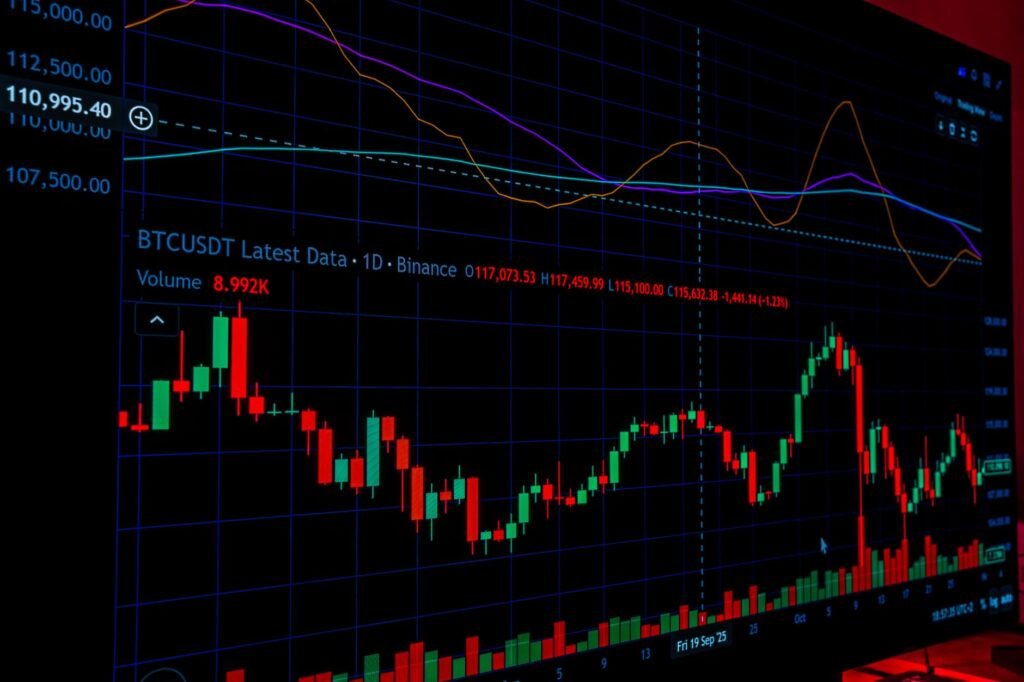

Understanding the collective mood of market participants is often as crucial as analyzing balance sheets or chart patterns. Market sentiment, essentially the overall attitude of investors towards a particular market or asset, plays a significant role in influencing price movements and can sometimes override traditional fundamental or technical analysis, especially in the dynamic markets of 2026. This article explores how traders and investors gauge this elusive yet powerful force.
Understanding Market Sentiment in 2026
What is Market Sentiment?
Market sentiment refers to the prevailing psychological disposition of investors regarding the future direction of a market. It is the collective optimism or pessimism, fear or greed, that drives investment decisions on a broad scale. When sentiment is bullish, investors are optimistic, expecting prices to rise, which often leads to increased buying activity. Conversely, bearish sentiment reflects widespread pessimism, anticipating price declines, typically resulting in selling pressure.
This collective psychology is not always rational and can lead to overreactions, creating bubbles during periods of extreme exuberance or crashes during widespread panic. Recognizing these shifts can offer insights into potential market turning points or confirm existing trends.
The Modern Market Landscape in 2026
In 2026, the financial markets continue to evolve at a rapid pace, shaped by a confluence of factors including persistent geopolitical uncertainties, the ongoing integration of artificial intelligence in market analysis, and the continued discussion around global interest rate policies. These macro trends significantly influence investor psychology, making the ability to accurately assess market sentiment even more critical. The prevalence of instant information dissemination through digital platforms means sentiment can shift rapidly, requiring traders to employ increasingly sophisticated methods to keep pace.
Qualitative Approaches to Gauging Sentiment
Qualitative methods involve interpreting non-numerical information to understand the prevailing market mood. While subjective, these approaches provide a rich, nuanced view of investor psychology.
News and Media Analysis
- Traditional Financial News: Major financial outlets, both print and digital, continue to influence sentiment through their reporting and editorial stances. Analyzing the tone and focus of headlines and articles can provide clues about the market’s perceived direction.
- Social Media Sentiment: Platforms like X (formerly Twitter), Reddit, and various investment forums are significant arenas for retail investor discourse. Specialized sentiment analysis tools, often powered by AI, are increasingly employed to process vast amounts of text from these sources, identifying patterns of bullishness or bearishness across different assets or sectors.
- Expert Commentary: Opinions from influential economists, market strategists, and fund managers, often featured in financial media, can sway sentiment. Paying attention to consensus views, as well as contrarian opinions, offers valuable insights.
Market Anecdotes and Investor Surveys
- Investor Surveys: Organizations like the American Association of Individual Investors (AAII) regularly publish sentiment surveys, gauging the percentage of investors who are bullish, bearish, or neutral. While not predictive in isolation, sustained trends or extreme readings can be indicative.
- Professional Observations: Insights gathered from discussions with institutional investors, brokers, and other market professionals can offer a qualitative feel for the
Disclaimer: This article is provided for general informational and educational purposes only and does not constitute financial, investment, trading, or legal advice. Gainsium is not a registered investment advisor. Markets are volatile and past performance does not guarantee future results. Readers should conduct their own research and consult a licensed financial advisor before making any investment decisions.