
Is Print on Demand Still Profitable in 2026?
As we navigate through 2026, the e-commerce landscape has matured significantly. The days of simply slapping a generic graphic on a low-quality tee and expecting sales are over. However, for the strategic entrepreneur, Print on Demand (POD) remains one of the most accessible entry points into the creator economy. With the integration of AI-driven design tools and hyper-niche social commerce, building a profitable T-shirt brand is more viable than ever, provided you leverage the right technology and understand the modern consumer.
Choosing Your Platform: Marketplaces vs. Custom Storefronts
In 2026, the decision between using a marketplace or building a custom website depends on your long-term wealth goals. Here is the breakdown of the most reliable platforms currently dominating the industry:
Marketplaces: Redbubble and Amazon Merch on Demand
Marketplaces are excellent for beginners who want to test designs without managing customer service or web hosting. Redbubble has continued to evolve its algorithm in 2026, prioritizing unique, artist-driven content over mass-produced clip art. It remains the gold standard for passive income, though profit margins are thinner.
Custom Storefronts: Printful and Shopify
If you aim to build a brand, a custom store is non-negotiable. By integrating Printful with a Shopify or WooCommerce storefront, you retain control over your customer data and profit margins. In 2026, Printful’s enhanced shipping speeds and “eco-conscious” fulfillment centers make them the top choice for brands aiming for premium positioning.
Designing for the 2026 Consumer
The modern consumer is hyper-aware of aesthetics and sustainability. Your designs must move beyond the cluttered styles of the early 2020s. Here is how to position your brand for success:
- Leverage Generative AI Wisely: Use tools like Midjourney or DALL-E 3 to iterate, but ensure your final output is curated and refined by a human touch. Generic AI art is easy to spot and often ignored by trend-conscious buyers.
- Focus on Micro-Niches: Instead of “fitness shirts,” target “minimalist yoga apparel for remote workers.” The more specific your audience, the lower your customer acquisition cost.
- Prioritize Sustainability: 2026 buyers prioritize organic fabrics and water-based inks. Explicitly mention these features in your product descriptions to increase conversion rates.
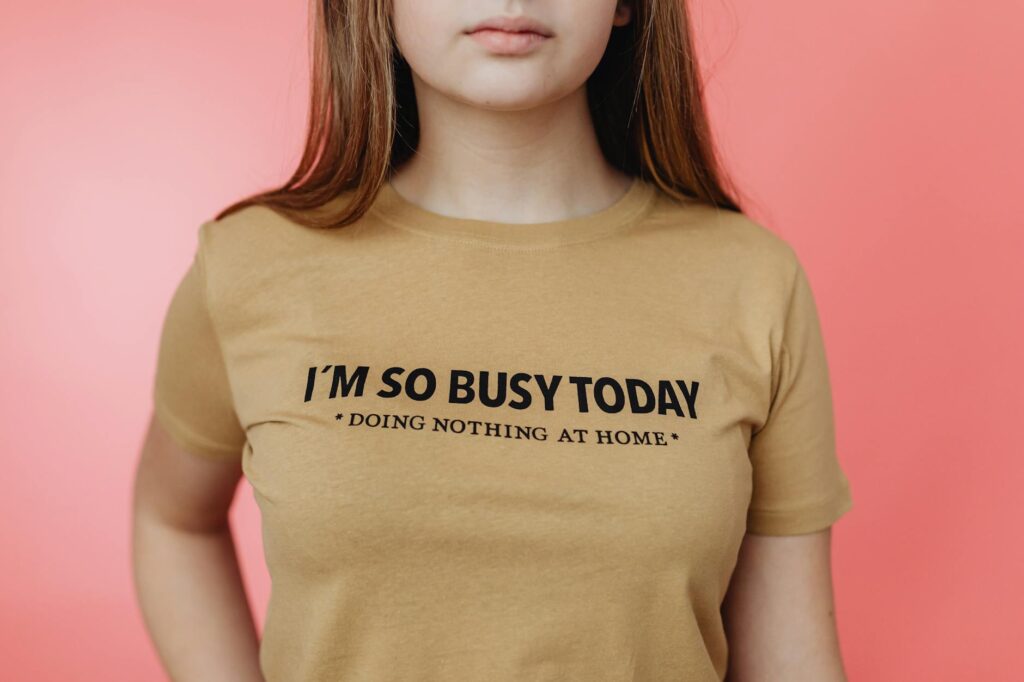
- Typography-First Designs: Simple, bold, and clever text-based designs are currently outperforming complex illustrations. Focus on messaging that resonates with a specific subculture.
Marketing Strategies That Actually Work in 2026
Paid advertising costs have risen, meaning you need a multi-channel approach to stay profitable. Relying solely on Facebook Ads is no longer a sound strategy for small businesses.
Short-Form Video is King
TikTok and Instagram Reels are the primary discovery engines for apparel. In 2026, authentic, “behind-the-scenes” content performs exponentially better than polished, corporate-style ads. Show your process, explain the inspiration behind your designs, and engage in comments to build a community rather than just a customer list.
Influencer Micro-Partnerships
Instead of hiring expensive macro-influencers, partner with micro-influencers (1k–10k followers) who inhabit your specific niche. Sending them a free sample in exchange for a genuine review or a social media tag can drive highly qualified traffic to your store at a fraction of the cost of traditional ads.
Email and SMS Automation
Build your asset list from day one. In 2026, your email subscriber list is the only traffic source you truly own. Use automated flows—such as abandoned cart sequences and post-purchase follow-ups—to maximize the lifetime value (LTV) of every customer.
Building Wealth Through Scalability
To transition from a side hustle to a full-scale business, focus on these three pillars: Quality, Consistency, and Community. By outsourcing the logistics to a provider like Printful and focusing your energy on brand storytelling and design innovation, you remove the physical bottlenecks of traditional retail. Start small, validate your designs with low-budget social testing, and scale aggressively once you identify a winning niche. In the economy of 2026, the creators who view Print on Demand as a brand-building vehicle rather than a “get rich quick” scheme are the ones who will capture the most market share.