
Welcome to 2026, a year where economic landscapes continue to shift and the pursuit of financial stability remains paramount. Amidst these evolving times, one asset consistently shines as a beacon of safety and value: gold. For millennia, gold has served as a reliable store of wealth, a hedge against inflation, and a safe haven during uncertainty. As we navigate the complex currents of the global economy this year, understanding how to invest in gold can be a crucial step for beginners looking to diversify their portfolio and protect their purchasing power. This comprehensive guide from Gainsium will equip you with the knowledge to confidently approach gold investing in 2026.
Why Gold in 2026? The Fundamental Drivers
The economic narrative of 2026 is characterized by several key themes that make gold particularly compelling. Persistent inflationary pressures, coupled with geopolitical complexities and evolving monetary policies, create an environment where the yellow metal typically thrives.
Inflationary Pressures & Real Rates
While central banks globally have worked to tame inflation, the reality in 2026 is that it remains stickier than initially anticipated in many major economies. Wage growth, supply chain realignments, and commodity price fluctuations continue to exert upward pressure. When real interest rates (nominal rates minus inflation) are low or negative, gold’s appeal as a non-yielding asset increases significantly, as the opportunity cost of holding gold diminishes. This dynamic is a primary driver for gold demand throughout 2026.
The Dollar Index and Geopolitical Landscape
The U.S. Dollar Index (DXY) continues to experience volatility in 2026. A weakening dollar typically makes gold cheaper for international buyers, boosting demand and price. Furthermore, the global geopolitical landscape remains fragmented, with ongoing conflicts and trade tensions creating a persistent sense of uncertainty. In such times, investors traditionally flock to gold as a safe-haven asset, seeking refuge from market turbulence. Central banks, too, have continued their robust gold buying spree into 2026, further cementing gold’s role as a reserve asset.
Gold’s Price Outlook 2026: Analysis & Levels
Gold has demonstrated remarkable resilience and growth, particularly over the past few years. After breaking significant psychological barriers, gold’s price has solidified a higher floor. As we enter 2026, gold has been trading comfortably above the $2,350/ounce mark, having seen strong momentum carried over from late 2025.
Key Price Levels and Technical Insights
- Historical Context: Gold’s journey has been marked by sustained growth through periods of economic stress. Its ability to repeatedly test and break new highs underscores its enduring value proposition.
- 2026 Price Predictions: Analysts at Gainsium and other leading financial institutions predict that gold could comfortably trade between $2,400 and $2,600 per ounce for much of 2026. Should geopolitical tensions escalate or inflation surprise on the upside, a push towards $2,700-$2,800 is not out of the question.
- Technical Analysis: Key support levels to watch in 2026 are around $2,300 and $2,250. A sustained break below these levels could signal a correction. On the upside, sustained trading above $2,500 could pave the way to challenge resistance at $2,600 and then $2,750. Momentum indicators suggest healthy buying interest, but occasional profit-taking could lead to short-term pullbacks.
How to Invest in Gold in 2026: Beginner Options
Investing in gold doesn’t mean you need a vault in your backyard. There are several accessible avenues for beginners, each with its own set of advantages and considerations.
1. Physical Gold (Coins & Bars)
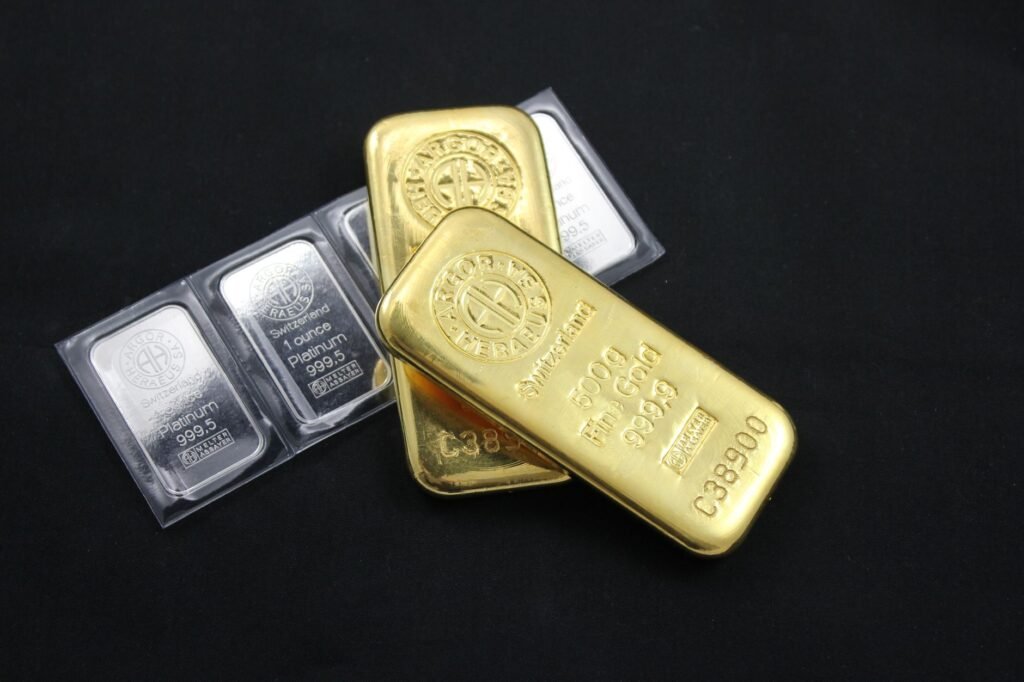
This is the most direct way to own gold. You can purchase physical gold in the form of coins (e.g., American Gold Eagles, Canadian Gold Maples) or bars of various weights. Physical gold offers a tangible sense of security and is not subject to counterparty risk. However, it comes with considerations such as storage costs (safe deposit box, home safe), insurance, and potential liquidity issues when selling. Authenticity is crucial; always buy from reputable dealers.
2. Gold ETFs (Exchange-Traded Funds)
Gold ETFs are an excellent option for beginners. These funds hold physical gold on behalf of investors, and their shares trade on stock exchanges like regular stocks. Popular examples include SPDR Gold Shares (GLD) and iShares Gold Trust (IAU). ETFs offer high liquidity, convenience, and eliminate the need for physical storage. They provide exposure to gold price movements without the complexities of owning the physical metal. However, they typically charge a small annual expense ratio.
3. Gold Mining Stocks
Investing in shares of gold mining companies (e.g., Barrick Gold, Newmont) offers an indirect way to gain exposure to gold prices. When gold prices rise, these companies can become more profitable, potentially leading to higher stock prices and dividends. However, mining stocks carry company-specific risks (management, operational efficiency, geopolitical risks in mining regions) that can cause them to underperform even if gold prices are rising. They offer leveraged exposure but require more in-depth company research.
4. Gold Futures and Options
Gold futures contracts are agreements to buy or sell a specific quantity of gold at a predetermined price on a future date. Options on gold futures provide the right, but not the obligation, to buy or sell at a certain price. These instruments are highly leveraged and complex, making them generally unsuitable for beginner investors due. Futures and options carry significant risk and are best left to experienced traders with a deep understanding of market dynamics and risk management.
Building Your Gold Strategy for 2026
Incorporating gold into your portfolio for 2026 should be a thoughtful process. Here’s some actionable advice:
- Diversify Wisely: Gold should be part of a diversified portfolio, typically making up 5-15% of your total assets, depending on your risk tolerance and investment goals. It’s a portfolio stabilizer, not a primary growth engine.
- Understand Your Vehicle: Before investing, thoroughly research the gold investment vehicle you choose. Understand its costs, risks, and how it tracks the price of gold.
- Stay Informed: Keep an eye on the fundamental drivers of gold prices – inflation data, interest rate announcements from central banks, the U.S. Dollar Index, and major geopolitical developments throughout 2026.
- Consider Dollar-Cost Averaging: Instead of making a single lump-sum investment, consider investing a fixed amount regularly (e.g., monthly). This strategy, known as dollar-cost averaging, can help reduce the impact of price volatility over time.
- Long-Term Perspective: While gold can experience short-term fluctuations, its true value often manifests over the long term as a hedge against systemic risk and currency debasement.
Conclusion
As we navigate 2026, gold continues to hold a prominent position as a critical asset for portfolio diversification and wealth preservation. Whether driven by persistent inflation, geopolitical uncertainties, or simply the desire for a tangible store of value, gold’s appeal remains strong. For beginners, accessible options like Gold ETFs and carefully chosen physical gold offer pathways to participate. Remember, responsible investing involves research, understanding your risk tolerance, and aligning your choices with your broader financial objectives. By following the insights in this Gainsium guide, you’re well-equipped to make informed decisions about gold investing in 2026 and beyond.