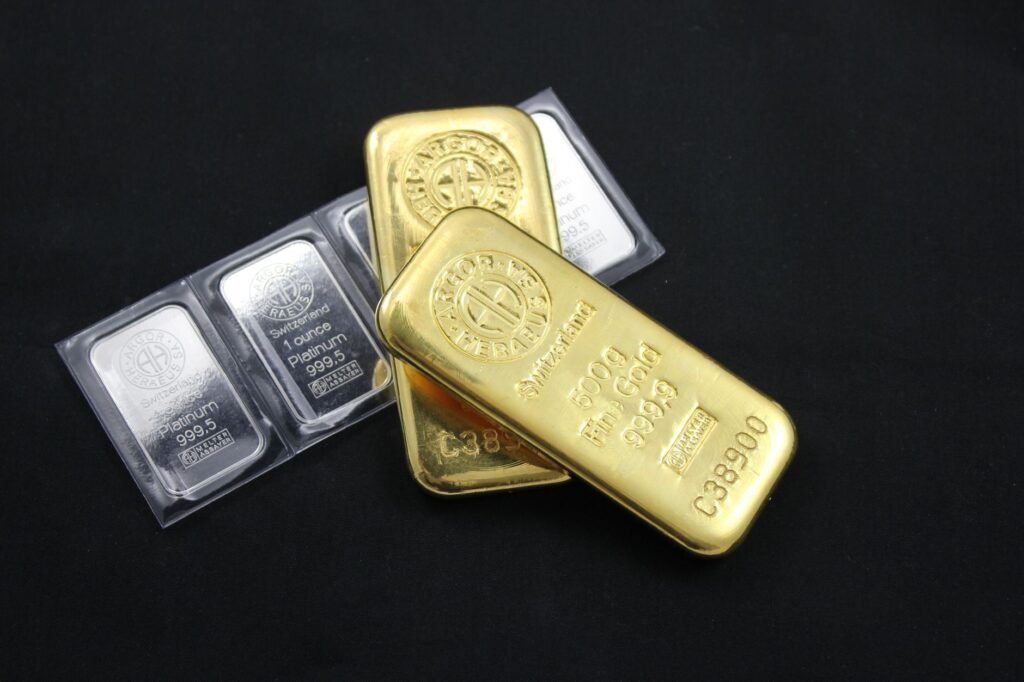

Welcome to 2026! As global markets continue their intricate dance of inflation, geopolitical shifts, and technological advancements, one asset consistently draws attention for its timeless appeal: gold. For millennia, the lustrous metal has served as a store of value, a hedge against uncertainty, and a symbol of wealth. But for new investors looking to enter the precious metals market, understanding the landscape of gold investing in 2026 is crucial. This comprehensive guide will equip you with the knowledge to navigate the golden opportunities and potential pitfalls of the year ahead.
Why Invest in Gold in 2026? The Fundamental Drivers
Gold’s allure isn’t just historical; it’s deeply rooted in its performance during periods of economic instability and inflation. After a turbulent 2024 and 2025 marked by persistent inflationary pressures and geopolitical skirmishes, 2026 presents a fascinating environment for gold. Here’s what’s driving the yellow metal:
2026 Economic Outlook: Key Tailwinds for Gold
- Lingering Inflation Concerns: While central banks globally have worked to tame inflation, the residual effects of supply chain disruptions and fiscal stimuli from prior years mean inflation, though moderating, remains a significant factor. Gold traditionally thrives in such environments, serving as a powerful hedge against the erosion of purchasing power.
- Central Bank Policies and Interest Rates: The market widely anticipates a nuanced approach from major central banks like the U.S. Federal Reserve and the European Central Bank. Should inflation continue its downward trend, potential rate cuts in late 2025 or early 2026 could reduce the opportunity cost of holding non-yielding assets like gold, making it more attractive. Conversely, unexpected hawkish shifts could temper its rise.
- US Dollar Index (DXY) Volatility: A weaker US Dollar makes gold cheaper for international buyers, boosting demand. While the DXY has shown resilience, economic divergences between major economies in 2026 could lead to periods of dollar weakness, providing a significant tailwind for gold prices.
- Geopolitical Tensions: The global stage remains volatile. Ongoing conflicts, escalating trade disputes, and upcoming national elections in various key economies continue to fuel uncertainty. In times of crisis, gold’s status as a safe-haven asset becomes paramount, driving investor flight to safety.
- Relentless Central Bank Buying: Central banks, particularly from emerging economies like China, India, and Turkey, have been net buyers of gold for years, diversifying their reserves away from fiat currencies. This trend is expected to continue robustly into 2026, providing a strong floor and consistent demand for the metal.
Gold Price in 2026: Analysis & Predictions
Following a remarkable run in late 2024 and 2025 that saw gold break multiple all-time highs, even touching near-$2500/ounce, investors are keenly watching its trajectory for 2026. Technical and fundamental analysis suggests a potentially strong year, though not without its challenges.
Key Price Levels and Outlook for 2026
As of early 2026, gold has established strong support around the $2300-$2350 per ounce level, a critical psychological and technical base. Resistance is initially encountered around the $2450-$2500 per ounce range. Should the fundamental drivers listed above align favorably, a break above these levels could see gold target new highs, potentially reaching towards $2600-$2700 per ounce, with some bullish forecasts even eyeing the $2800 mark by year-end. Conversely, significant dollar strength or unexpected global economic stability could see a retest of the $2200 support.
The overall sentiment from leading analysts for 2026 leans cautiously optimistic. Many foresee gold consolidating its recent gains before embarking on another leg up, driven by sustained central bank demand and lingering inflation fears.
How to Invest in Gold in 2026: Your Options
Investing in gold isn’t a one-size-fits-all endeavor. Beginners have several avenues, each with its own risk-reward profile and accessibility.
Physical Gold: Bars and Coins
Direct ownership of gold bullion or coins offers the ultimate safe haven. You hold the tangible asset, immune to counterparty risk. However, it comes with considerations:
- Pros: Tangible asset, complete control, privacy.
- Cons: Storage costs (safe deposit box, home safe), insurance, lower liquidity (selling can take time), premiums over spot price, authenticity concerns.
- Actionable Advice: Purchase from reputable dealers, verify purity, and secure appropriate storage.
Gold Exchange-Traded Funds (ETFs)
Gold ETFs allow investors to gain exposure to gold prices without the hassle of physical ownership. These funds typically track the price of physical gold or gold futures contracts.
- Pros: Highly liquid (trade like stocks), low transaction costs, no storage worries, easy diversification.
- Cons: You don’t own physical gold, management fees (expense ratio), potential for tracking error.
- Actionable Advice: Research ETFs like GLD (SPDR Gold Shares) or IAU (iShares Gold Trust), considering their expense ratios and how they back their holdings (physical vs. futures).
Gold Mining Stocks & Funds
Investing in companies that mine gold offers a different kind of exposure. These stocks can be leveraged plays, meaning they can amplify gold’s movements.
- Pros: Potential for capital appreciation and dividends (from profitable companies), can outperform gold in strong bull markets.
- Cons: Company-specific risks (management, operational efficiency, geopolitical risks in mining regions), not a pure gold play (stock performance depends on more than just gold prices).
- Actionable Advice: Consider diversified gold mining ETFs (e.g., GDX – VanEck Gold Miners ETF) to mitigate single-company risk, or research individual well-managed, low-cost producers.
Gold Futures & Options
These derivatives contracts allow investors to speculate on the future price of gold with significant leverage. Futures contracts obligate you to buy or sell gold at a predetermined price on a future date, while options give you the right, but not the obligation.
- Pros: High leverage, pure price exposure, excellent liquidity for active traders.
- Cons: Extremely high risk, complex, potential for substantial losses (margin calls), not recommended for beginners.
- Actionable Advice: This is generally for experienced traders only. Beginners should steer clear until they have a deep understanding of derivatives and risk management.
Practical Tips for Gold Investors in 2026
Embarking on your gold investing journey requires a strategic approach. Here are some actionable tips:
- Diversify Your Portfolio: Gold should be a component of a well-diversified portfolio, not its entirety. Aim for 5-15% allocation depending on your risk tolerance and outlook.
- Dollar-Cost Averaging (DCA): Instead of trying to time the market, invest a fixed amount into gold regularly. This strategy smooths out your entry price and reduces risk over time.
- Understand Your Risk Tolerance: Match your investment vehicle to your comfort level. If volatility makes you uneasy, stick to physical gold or a conservative ETF.
- Stay Informed: Keep an eye on global economic data, central bank announcements, and geopolitical developments. These factors heavily influence gold prices.
- Long-Term Perspective: Gold is often considered a long-term strategic asset. While short-term fluctuations occur, its strength as a hedge against inflation and uncertainty shines over extended periods.
Conclusion
2026 presents a compelling case for gold in an investor’s portfolio. With ongoing inflationary pressures, potential shifts in monetary policy, and persistent geopolitical instability, gold continues to serve its historical role as a beacon of stability and a guardian of wealth. Whether you choose the tangible security of physical gold, the convenience of an ETF, or the leveraged potential of mining stocks, understanding the unique dynamics of each option is paramount. Remember to diversify, stay informed, and align your gold investments with your broader financial goals. As you embark on your journey, gold might just prove to be a shining star in your investment universe.