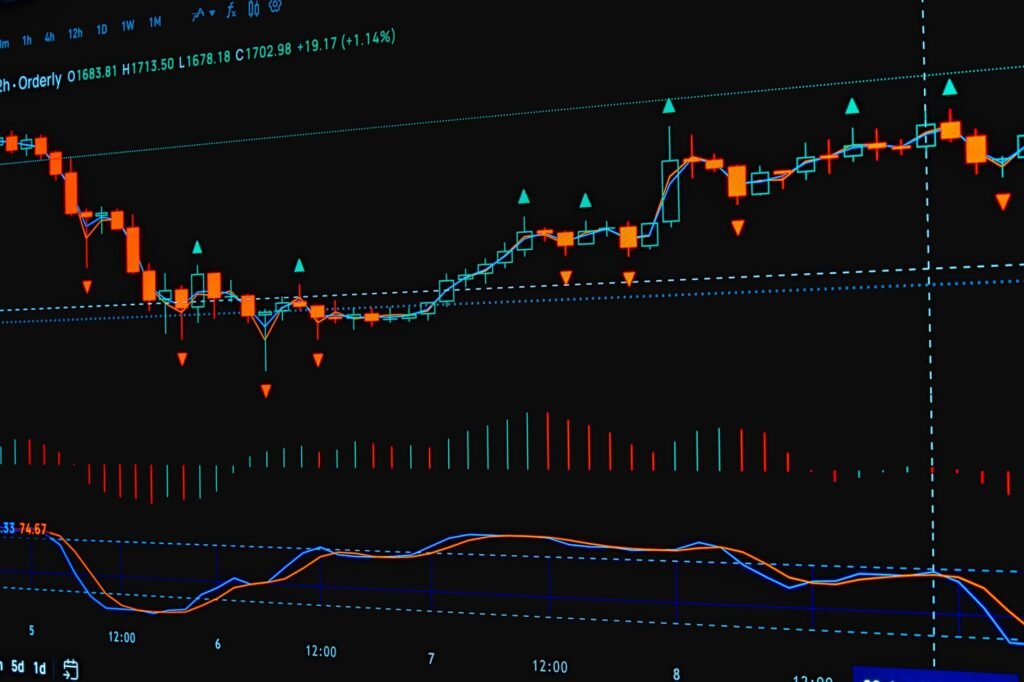

Navigating bear markets presents unique challenges for investors, often characterized by sharp declines and unpredictable swings. As 2026 unfolds, many market participants are observing persistent volatility driven by a confluence of global economic factors, evolving monetary policies, and geopolitical dynamics. For those seeking to potentially capitalize on these turbulent conditions or simply protect capital, understanding strategies for trading volatility becomes crucial. This guide outlines five distinct approaches that some investors consider employing during bear market conditions to address market instability.
1. Leveraging Inverse Exchange-Traded Products (ETPs)
Inverse ETPs are financial instruments designed to deliver the opposite performance of an underlying index, sector, or commodity. When the underlying asset declines, an inverse ETP aims to increase in value. For instance, an inverse S&P 500 ETP would theoretically rise when the S&P 500 index falls.
How They Work in 2026
In 2026, the market has seen a continued expansion in the variety and specificity of inverse ETPs, offering market participants more granular exposure to various segments of the market. This allows for targeted plays against specific industries or even market capitalization segments that are perceived to be vulnerable in a bear market.
Considerations: While these products offer a straightforward way to potentially profit from downturns, they come with important caveats. Many inverse ETPs, especially those that are leveraged (e.g., 2x or 3x inverse), are designed for short-term tactical trading. Their daily rebalancing mechanisms can lead to significant tracking error and compounding issues over longer holding periods, making them generally unsuitable for buy-and-hold strategies.
2. Utilizing Put Options and Bear Spreads
Options contracts offer versatile tools for managing risk and potentially profiting from market movements, including heightened volatility in bear markets. Put options, in particular, gain value as the price of the underlying asset declines.
Put Options
A put option gives the holder the right, but not the obligation, to sell an underlying asset at a specified price (the strike price) before a certain expiration date. Acquiring put options can serve as a direct way to potentially profit from an anticipated price drop in a stock or index, or as a hedging tool to protect an existing portfolio.
Bear Spreads
Bear spreads are multi-leg options strategies that involve buying and selling different put or call options on the same underlying asset with varying strike prices or expiration dates. Common types include bear put spreads and bear call spreads. These strategies are often used to define a maximum potential profit and loss, which can reduce the upfront cost compared to buying outright puts and manage risk more effectively. For example, a bear put spread involves buying a put option at a higher strike price and simultaneously selling a put option at a lower strike price, both with the same expiration date.
Considerations: Options trading involves significant risks. Factors like time decay (theta), implied volatility, and the complexity of multi-leg strategies require a thorough understanding. Maximum loss on an outright put purchase can be the premium paid, while spreads have defined maximum losses. Increased accessibility of options trading platforms in 2026 has brought these instruments to more individuals, but education remains paramount.
3. Trading Volatility Index (VIX) Products
The Cboe Volatility Index (VIX), often dubbed the
Disclaimer: This article is provided for general informational and educational purposes only and does not constitute financial, investment, trading, or legal advice. Gainsium is not a registered investment advisor. Markets are volatile and past performance does not guarantee future results. Readers should conduct their own research and consult a licensed financial advisor before making any investment decisions.