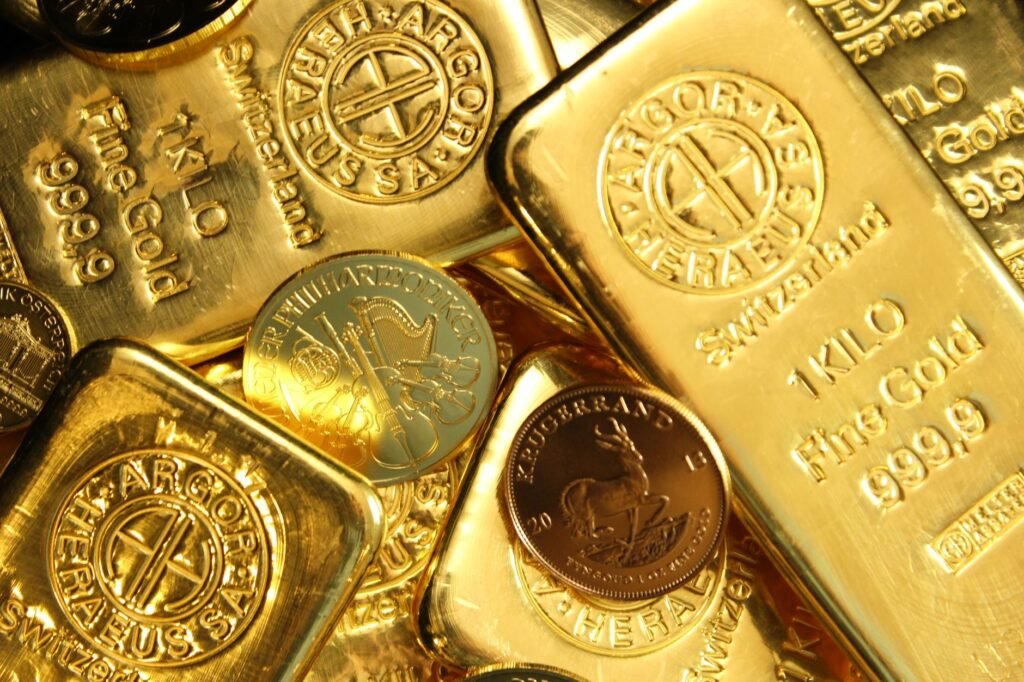

Gold, often hailed as a timeless store of value, is a significant asset in global financial markets. Understanding its liquidity is crucial for anyone assessing its role in a diversified portfolio. Gold’s liquidity refers to the ease with which it can be bought or sold without significantly affecting its price, and how quickly it can be converted into cash. This article explores the primary factors that determine gold’s liquidity across various global markets.
Understanding Gold Liquidity
For any asset, liquidity is paramount. A highly liquid asset can be transacted quickly and efficiently, typically with a tight bid-ask spread, meaning the difference between the buying and selling price is minimal. For gold, this means an active market where many buyers and sellers are present, facilitating smooth transactions at prevailing market prices. Gold’s liquidity is influenced by its universal acceptance, its role as a safe-haven asset, and the vast infrastructure supporting its trade.
Different forms of gold offer varying degrees of liquidity. Physical gold, such as bars and coins, generally requires more effort to verify and transport, which can reduce its immediate liquidity compared to its paper-based counterparts. However, its tangibility is often a draw for certain types of investors. Gold-backed exchange-traded funds (ETFs), gold futures contracts, and other derivatives typically offer higher liquidity due to their electronic trading on regulated exchanges.
Key Drivers of Gold’s Liquidity
Several interconnected factors dictate how liquid gold is in global markets. These include the sheer volume of trading activity, the depth of the market, and the ease of converting gold into readily usable currency.
Trading Volumes
High trading volumes are a direct indicator of strong liquidity. When large quantities of gold are bought and sold daily, it suggests a robust market where transactions can occur rapidly without causing drastic price fluctuations. Major gold trading hubs, such as London, New York, and Shanghai, see immense daily trading volumes across various instruments, from physical bullion to futures and ETFs.
- London Over-the-Counter (OTC) Market: This is the largest global market for physical gold trading, dominated by institutional players. The scale of transactions here ensures deep liquidity for large blocks of gold.
- COMEX (New York): As a leading futures exchange, COMEX offers highly liquid contracts for gold, allowing participants to gain exposure or hedge risk efficiently. Its electronic trading platform facilitates continuous price discovery.
- Shanghai Gold Exchange (SGE): A significant player, particularly in Asia, the SGE contributes substantially to global gold volumes, catering to a large and growing regional demand.
Market Depth
Market depth refers to the existence of sufficient buy and sell orders at various price levels. A deep market has many participants willing to buy and sell at prices close to the current market rate, resulting in tight bid-ask spreads. This minimizes transaction costs for participants. In contrast, a shallow market might see larger spreads, making it more expensive to execute trades quickly.
For gold, market depth is bolstered by the diverse range of participants, including central banks, institutional investors, hedge funds, refiners, jewelers, and individual investors. This broad participation ensures continuous order flow, even during periods of increased volatility.
Ease of Conversion into Cash
The ability to quickly and reliably convert gold into cash is a crucial aspect of its liquidity. This ease of conversion depends heavily on the form of gold held and the market infrastructure.
- Exchange-Traded Products: Gold ETFs and futures contracts are typically the most liquid forms, as they trade on regulated exchanges during market hours and can be sold for cash within standard settlement cycles (often T+2 days).
- Physical Gold: While universally recognized, selling physical gold (bars, coins, jewelry) can sometimes involve verification processes, shipping, or finding a reputable dealer, which might introduce slight delays compared to electronic assets. However, in major financial centers, the network of dealers and banks ensures a relatively smooth process.
- Digital Gold: Emerging platforms offering tokenized gold or digital gold assets are also improving the ease of conversion, providing more direct routes to exchange gold for fiat currency via online marketplaces, though their overall market depth may not yet rival traditional instruments.
Global Market Dynamics and Gold Liquidity
Gold’s liquidity is not static; it responds to broader economic, geopolitical, and technological shifts. The global market structure and ongoing trends play a significant role.
Economic and Geopolitical Influences
Gold often acts as a safe haven during economic uncertainty or geopolitical instability. During such times, demand for gold typically increases, leading to higher trading volumes and enhanced liquidity as more participants enter the market. Conversely, periods of sustained economic growth and stable geopolitical environments might see some investors reallocate capital to riskier assets, potentially reducing gold’s trading volumes temporarily. For instance, in 2026, continued global economic rebalancing, central bank policies, and regional conflicts remain key drivers for gold demand and, consequently, its liquidity.
Regulatory Environment and Market Infrastructure
Robust regulatory frameworks in major financial centers contribute significantly to gold’s liquidity by fostering trust and transparency. Regulations govern trading practices, ensure fair pricing, and protect market participants, thereby encouraging greater participation. The interconnectedness of global markets through advanced electronic trading platforms and clearing houses also enhances efficiency, reducing latency and facilitating seamless cross-border transactions.
Technological Advancements
The continuous evolution of financial technology (FinTech) impacts gold’s liquidity. High-frequency trading algorithms contribute to tighter spreads and greater depth, while advancements in data analytics provide market participants with more timely insights. Though still nascent for broad physical gold markets, the exploration of blockchain technology for tokenizing assets could potentially enhance the traceability and fractional ownership of gold, possibly leading to new avenues for liquidity in the future.
In 2026, while physical gold remains the foundation, the increasing sophistication of financial instruments and digital platforms continues to refine how gold is traded and converted, generally improving its overall liquidity profile.
Conclusion
Gold’s liquidity in global markets is a multifaceted characteristic driven by a combination of high trading volumes, deep market depth, and efficient conversion mechanisms. While physical gold remains a foundational asset, the advent of exchange-traded products and advanced electronic trading systems has significantly enhanced its overall liquidity, making it an accessible asset for a wide range of participants. As global economic conditions and technological landscapes evolve, these factors will continue to shape gold’s role and its ease of transaction within the financial ecosystem.
Disclaimer: This article is provided for general informational and educational purposes only and does not constitute financial, investment, trading, or legal advice. Gainsium is not a registered investment advisor. Markets are volatile and past performance does not guarantee future results. Readers should conduct their own research and consult a licensed financial advisor before making any investment decisions.