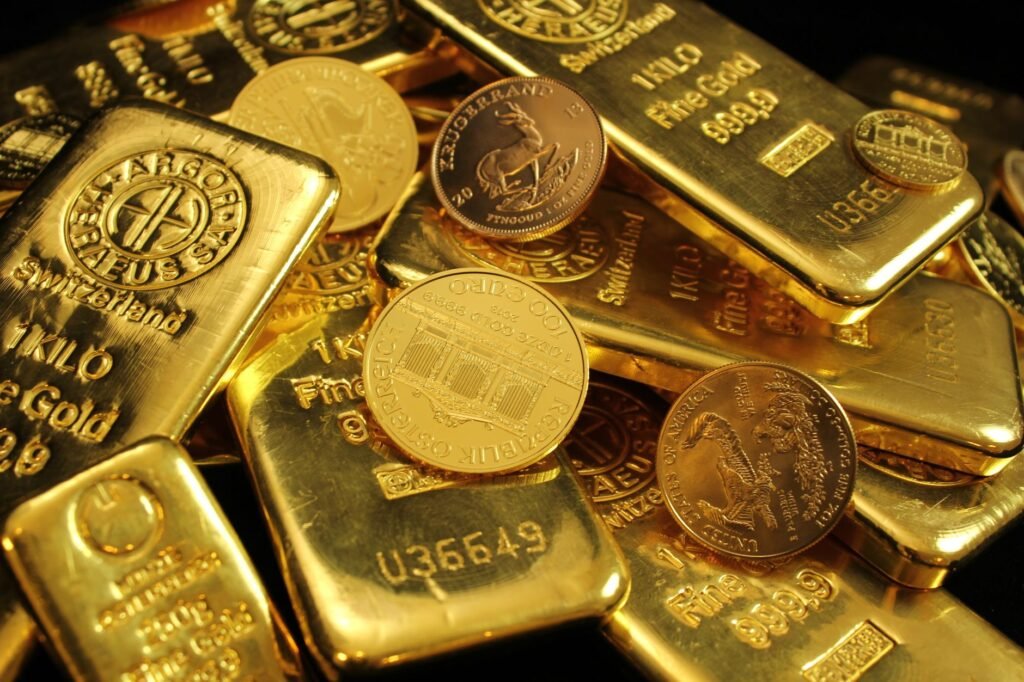

Gold has long been revered as a traditional safe-haven asset, often sought after during periods of economic uncertainty and rising inflation. However, its effectiveness as an inflation hedge in 2026 is not a given and depends on a complex interplay of economic principles and prevailing market dynamics. This article will explore the key factors that determine gold’s relevance and performance in safeguarding purchasing power in the current economic environment.
The Historical Precedent of Gold as a Store of Value
Gold’s Traditional Inflation-Hedging Appeal
For centuries, gold has been considered a reliable store of value. Its appeal as an inflation hedge stems from its scarcity and its intrinsic nature, which is not tied to any single government or financial institution. Unlike fiat currencies, which can be devalued through excessive printing, gold’s supply is finite. Historically, during periods when the purchasing power of paper money eroded due to rising consumer prices, gold often maintained or even increased its value, offering a tangible alternative to depreciating currencies.
This historical performance has cemented gold’s reputation among some investors as a protective asset against inflationary pressures. The psychological aspect also plays a significant role; in times of fear regarding the stability of the financial system or widespread inflation, demand for gold tends to rise as investors seek a tangible asset perceived as less susceptible to monetary policy changes.
Economic Principles Influencing Gold’s Inflation Hedge Performance
While history offers a compelling narrative, gold’s performance in any given year, including 2026, is shaped by several fundamental economic principles.
Real Interest Rates and Opportunity Cost
One of the most critical factors influencing gold’s appeal is the level of real interest rates. Real interest rates are calculated by subtracting the inflation rate from the nominal interest rate. When real interest rates are high, non-yielding assets like gold become less attractive, as investors can earn a better return by holding interest-bearing assets like bonds or high-yield savings accounts. Conversely, when real interest rates are low or negative, the opportunity cost of holding gold decreases, making it more appealing.
In 2026, global central banks continue to navigate the balance between controlling inflation and supporting economic growth. Should central banks maintain a restrictive monetary stance to curb lingering inflationary pressures, leading to sustained higher real interest rates, this could present a headwind for gold’s performance. Conversely, a pivot towards more accommodative policies could enhance its allure.
The U.S. Dollar Relationship
Gold is predominantly priced in U.S. dollars on international markets. This means there is often an inverse relationship between the strength of the U.S. dollar and the price of gold. A stronger dollar makes gold more expensive for investors holding other currencies, potentially dampening demand. Conversely, a weaker dollar makes gold relatively cheaper and can boost demand.
The trajectory of the U.S. dollar in 2026 is influenced by various factors, including the relative economic performance of the U.S. compared to other major economies, interest rate differentials, and global risk sentiment. A strong dollar environment could mute gold’s inflation-hedging effectiveness for some investors, while a depreciating dollar could amplify it.
Inflation Expectations and Geopolitical Risk
Gold often thrives when inflation expectations are rising or when there is significant geopolitical instability. Investors tend to flock to safe-haven assets when there is a perceived threat to economic stability or global peace. High inflation expectations signal a future erosion of purchasing power, prompting a move into assets like gold that are perceived to retain value.
In 2026, persistent, though potentially moderating, inflation concerns in various economies, coupled with ongoing global geopolitical tensions, contribute to an environment where gold’s safe-haven demand remains a relevant factor. Escalations in geopolitical conflicts or new economic uncertainties could strengthen gold’s appeal, irrespective of its direct relationship with current inflation figures.
Market Dynamics Shaping Gold’s Relevance in 2026
Beyond economic principles, specific market dynamics significantly influence gold’s role as an inflation hedge.
Central Bank Demand and Monetary Policy
A notable trend in recent years, extending into 2026, has been the substantial demand for gold from central banks worldwide. These institutions often purchase gold to diversify their foreign exchange reserves, hedge against currency fluctuations, and bolster confidence in their national economies. This sustained institutional buying provides a strong underlying support for gold prices, acting as a consistent demand driver that can help cushion against potential downturns.
Furthermore, central bank monetary policy decisions, particularly regarding interest rates and quantitative easing or tightening, profoundly impact the broader economic environment and, by extension, gold’s attractiveness. Their actions signal their outlook on inflation and economic stability, influencing investor behavior.
Investor Sentiment and Market Flows
The collective sentiment of retail and institutional investors plays a crucial role in gold’s market performance. Shifts in investor confidence, perceptions of risk, and overall market psychology can lead to significant flows into or out of gold-backed investment vehicles, such as exchange-traded funds (ETFs), or direct purchases of physical gold. When fear or uncertainty is high, demand for gold as a hedge tends to increase.
Many investors also include gold as a component in their diversified portfolios, viewing it as a strategic asset to potentially reduce overall portfolio volatility and provide a counterbalance to other asset classes during periods of market stress or inflation. This ongoing diversification strategy is a persistent demand factor.
Supply and Demand Fundamentals
While often overshadowed by macroeconomic factors, the fundamental supply and demand dynamics for gold also contribute to its price action. Mine production, recycling rates, and scrap supply form the supply side. On the demand side, jewelry consumption, industrial use, and investment demand (bars, coins, ETFs) all play a role. Disruptions in supply or significant shifts in global demand for physical gold can impact its price, thereby affecting its perceived hedging capabilities in 2026.
Limitations and Alternative Perspectives
It is important to acknowledge that gold is not a perfect or guaranteed hedge against inflation.
- Volatility: Gold prices can be volatile, and its short-term movements may not always align with inflation rates. Its effectiveness as a hedge is often more apparent over longer time horizons.
- Opportunity Cost: As a non-yielding asset, holding gold means foregoing potential income from interest or dividends, which can be a significant opportunity cost during periods of high real interest rates.
- Correlation vs. Causation: While gold has historically shown correlation with inflation in certain periods, its price is influenced by a multitude of factors, and attributing its movements solely to inflation can be an oversimplification.
Ultimately, gold’s role as an inflation hedge in 2026 is multifaceted. Its effectiveness hinges on a confluence of factors, including the prevailing real interest rate environment, the strength of the U.S. dollar, the geopolitical landscape, and broad investor sentiment. While it retains its historical appeal as a store of value, its performance in any given year is not guaranteed and requires careful consideration of the prevailing economic landscape.
Disclaimer: This article is provided for general informational and educational purposes only and does not constitute financial, investment, trading, or legal advice. Gainsium is not a registered investment advisor. Markets are volatile and past performance does not guarantee future results. Readers should conduct their own research and consult a licensed financial advisor before making any investment decisions.