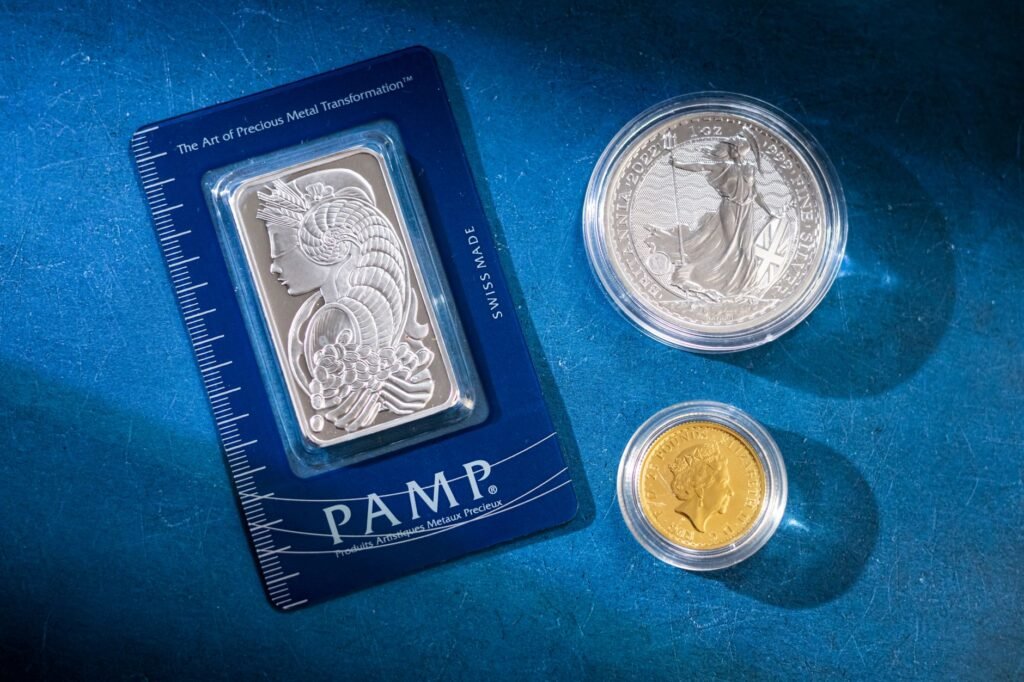

The relationship between gold and silver has fascinated investors for centuries, offering insights into the relative value of these two precious metals. What is the gold-silver ratio, and how do investors leverage its fluctuations to inform their strategies in 2026? This ratio, simply put, measures how many ounces of silver it takes to buy one ounce of gold. It serves as a vital analytical tool, helping market participants assess whether gold or silver may be relatively overvalued or undervalued at a given time, influencing decisions within their broader precious metals portfolios.
What is the Gold-Silver Ratio?
At its core, the gold-silver ratio is a straightforward calculation: the current price of gold per ounce divided by the current price of silver per ounce. For example, if gold is trading at $2,200 an ounce and silver at $25 an ounce, the ratio would be 88:1. This means it would take 88 ounces of silver to purchase one ounce of gold. The ratio is not static; it fluctuates constantly throughout trading hours, reflecting the dynamic interplay of supply, demand, economic indicators, and market sentiment for both metals.
While both gold and silver are considered precious metals and have historical significance as stores of value, their market dynamics differ in crucial ways. Gold is predominantly viewed as a monetary metal and a safe-haven asset, often sought during times of economic uncertainty, geopolitical instability, or inflationary pressures. Silver, on the other hand, possesses a dual nature: it is also a monetary metal and store of value, but approximately half of its demand comes from industrial applications. This industrial demand includes its use in electronics, solar panels, electric vehicles, and medical devices. This fundamental difference means that while gold tends to react more strongly to monetary policy and inflation expectations, silver’s price can also be significantly influenced by industrial cycles and technological advancements. Understanding this distinction is key to interpreting the ratio’s movements.
Historical Context and Significance
The concept of a gold-silver ratio is ancient, with documented instances of fixed ratios dating back thousands of years to ancient Egypt and Rome. For centuries, many monetary systems were based on bimetallism, where both gold and silver were used as currency at a legally fixed exchange rate. This provided a stable, albeit sometimes artificial, ratio.
However, with the gradual shift away from bimetallic standards and the adoption of fiat currencies, the gold-silver ratio became a purely market-driven phenomenon. Free from governmental decree, the ratio began to reflect true supply and demand dynamics. Historically, the ratio has shown considerable volatility. While a precise
Disclaimer: This article is provided for general informational and educational purposes only and does not constitute financial, investment, trading, or legal advice. Gainsium is not a registered investment advisor. Markets are volatile and past performance does not guarantee future results. Readers should conduct their own research and consult a licensed financial advisor before making any investment decisions.