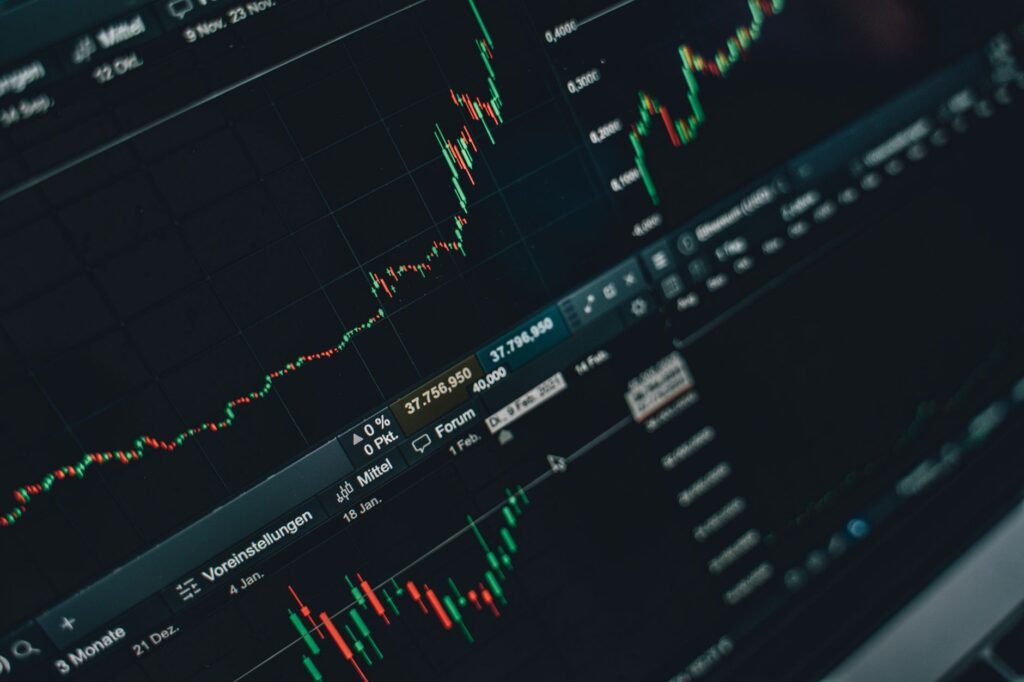

In 2026, artificial intelligence (AI) has become an indispensable component of quantitative trading, transforming how strategies are developed, executed, and managed. Its integration spans the entire trading lifecycle, leveraging advanced computational power to derive insights from vast datasets and navigate complex financial markets. This article explores the multifaceted roles AI plays in modern quantitative trading strategies.
AI in Quantitative Strategy Development
The foundation of any quantitative trading approach lies in identifying robust patterns and anomalies within market data. By 2026, AI technologies have revolutionized this exploratory phase, moving far beyond traditional statistical methods.
Data Analysis and Pattern Recognition
AI, particularly machine learning (ML) models like deep neural networks and reinforcement learning algorithms, excels at sifting through immense volumes of structured and unstructured data. This includes traditional market data (prices, volumes), alongside an expanding array of alternative data sources and macroeconomic indicators. These alternative data types often provide unique insights:
- Satellite imagery: To gauge economic activity or supply chain status.
- Sentiment analysis: From news feeds, social media, and earnings call transcripts.
- Supply chain information: To anticipate corporate performance and broader economic shifts.
These algorithms can identify subtle, non-linear relationships and transient patterns that human analysts or simpler models might miss. For instance, ML models can detect arbitrage opportunities across different asset classes or predict short-term market reversals based on intricate combinations of factors.
Alpha Generation and Signal Discovery
The core objective for many quantitative funds is to generate “alpha” – returns in excess of a benchmark. AI contributes significantly to this by developing predictive signals. Algorithms are trained on historical data to forecast price movements, volatility, or correlations. Reinforcement learning, in particular, allows models to learn optimal trading actions by interacting with simulated market environments, iteratively refining strategies to maximize returns while managing risk. This iterative learning process can uncover novel alpha factors that adapt as market conditions evolve, a critical advantage in the fast-paced financial landscape of 2026.
AI in Execution and Optimization
Beyond strategy development, AI plays a crucial role in the efficient and intelligent execution of trades, minimizing market impact and optimizing order placement.
Predictive Analytics for Execution
AI-powered predictive models are used to forecast short-term market liquidity, volatility, and order book dynamics. This allows trading algorithms to determine the optimal time and size for executing large orders, breaking them down into smaller pieces to avoid significant price impact. Algorithms can predict how a large order might affect the market and adapt their execution strategy in real-time, considering factors like bid-ask spreads, order book depth, and the presence of other high-frequency traders.
Algorithmic Enhancement
By 2026, advanced AI is integrated into algorithmic trading systems to continuously learn and improve execution performance. These “smart” execution algorithms observe market conditions and their own trading outcomes, adjusting parameters like pace, aggression, and routing to different exchanges. This adaptive capability ensures that trades are executed as efficiently as possible, minimizing transaction costs and slippage, which can significantly impact overall strategy profitability, especially for high-frequency or high-volume strategies.
AI in Risk Management and Market Adaptation
Managing risk is paramount in quantitative trading. AI provides sophisticated tools for monitoring, assessing, and mitigating various forms of financial risk.
Real-time Risk Monitoring and Anomaly Detection
AI systems continuously monitor vast streams of market data, news, and internal trading metrics to detect unusual patterns that might signal emerging risks. This could include sudden shifts in correlations, unexpected volatility spikes, or anomalies in trading behavior that suggest potential market manipulation or technical glitches. By identifying these deviations in real-time, AI allows portfolio managers to react swiftly, adjusting positions or implementing hedges before minor issues escalate into significant losses. This capability is increasingly vital in interconnected and rapidly moving global markets.
Dynamic Portfolio Optimization
Traditional portfolio optimization often relies on historical correlations and volatility. AI, however, can provide a more dynamic and forward-looking approach. ML models can predict how correlations and volatilities might change under different market regimes or stress scenarios. This enables quantitative traders to rebalance portfolios more effectively, adjusting asset allocations to maintain desired risk exposures or capitalize on shifting market opportunities. AI can also optimize portfolios for various objectives simultaneously, such as maximizing expected return while minimizing downside risk, adapting to changing investor preferences or regulatory requirements.
Challenges and the Evolving Landscape
While AI offers transformative potential, its integration into quantitative trading also presents notable challenges and continues to evolve.
Data Quality and Bias
The effectiveness of AI models is heavily dependent on the quality and representativeness of the data they are trained on. Biased or incomplete historical data can lead to models that perpetuate errors or fail to perform well in novel market conditions. Ensuring clean, relevant, and comprehensive data remains a significant undertaking for quantitative firms.
Explainability and Transparency (“Black Box” Problem)
Many advanced AI models, particularly deep learning networks, are often described as “black boxes” because their decision-making processes can be difficult to interpret. In finance, where accountability and regulatory compliance are critical, understanding why a model made a specific trade or risk assessment is crucial. Research into “explainable AI” (XAI) is progressing, aiming to provide more transparency into these complex algorithms, which is essential for regulatory approval and investor confidence.
Ethical Considerations and Market Stability
The widespread adoption of AI in trading raises ethical questions regarding fairness, market manipulation, and systemic risk. Concerns exist that highly sophisticated, interconnected AI systems could exacerbate market volatility during stress events or lead to unintended consequences if they all act in similar ways. Regulators are increasingly scrutinizing these aspects, fostering a dialogue around responsible AI development and deployment in financial markets. Gainsium emphasizes that AI is a tool and human oversight remains critical, ensuring ethical guidelines and robust governance frameworks are in place.
In 2026, AI is no longer just an emerging technology but a fundamental pillar of quantitative trading, continually evolving to enhance strategy development, execution, and risk management. As computational power grows and AI research advances, its role is only expected to deepen, further shaping the landscape of financial markets.
Disclaimer: This article is provided for general informational and educational purposes only and does not constitute financial, investment, trading, or legal advice. Gainsium is not a registered investment advisor. Markets are volatile and past performance does not guarantee future results. Readers should conduct their own research and consult a licensed financial advisor before making any investment decisions.