

In the world of precious metals, gold often steals the spotlight, but its shimmering sibling, silver, is quietly building a compelling case for investors in 2026. Far more than just a monetary metal, silver is an industrial powerhouse indispensable to the technologies shaping our future. As we navigate the economic landscape of 2026, understanding silver’s unique position – driven by robust industrial demand, its relationship with gold, and the potential of mining stocks – is crucial for any astute portfolio.
While often overshadowed, silver offers a distinct blend of inflation hedging, safe-haven appeal, and significant growth potential tied to global innovation. This comprehensive guide from Gainsium will dive deep into the factors poised to drive silver’s performance in 2026, helping you uncover its true value.
Silver’s Dual Identity: Industrial Powerhouse & Monetary Metal in 2026
Silver’s allure stems from its dual nature. It is both a historical store of value, much like gold, and a critical component in countless modern technologies. In 2026, this industrial demand is set to be a primary driver.
The Green Revolution’s Demand Surge
The global push towards sustainability and advanced technology continues unabated into 2026, placing silver at the heart of several booming industries:
- Solar Energy (Photovoltaics): Silver is a crucial component in photovoltaic cells. With ambitious renewable energy targets worldwide, demand from the solar sector is projected to remain exceptionally strong, with analysts forecasting continued double-digit percentage growth in panel installations.
- Electric Vehicles (EVs): EVs require significantly more silver than traditional internal combustion engines, found in connectors, battery management systems, and various electronic components. As EV adoption accelerates globally, facilitated by expanding charging infrastructure and government incentives, silver consumption in this sector is on a steep upward trajectory.
- 5G Technology and AI: The rollout of 5G networks and the proliferation of Artificial Intelligence (AI) across industries demand high-performance electronics. Silver’s superior electrical conductivity makes it irreplaceable in switches, conductors, and various components within these next-generation devices.
- IoT and Medical Devices: From smart home devices to advanced medical instruments, the Internet of Things (IoT) and healthcare sectors continue to rely on silver for its conductivity and antimicrobial properties.
This robust industrial demand provides a fundamental floor for silver prices, differentiating it significantly from gold, which is primarily driven by investment and jewelry demand. For 2026, expect continued reports highlighting silver shortages in specific industrial applications, underscoring its essential role.
The Inflation Hedge and Safe-Haven Appeal
Beyond its industrial uses, silver maintains its traditional role as a precious metal. In 2026, global economic conditions, including inflation concerns, interest rate policies, and geopolitical stability, will continue to influence its investment appeal. If inflation persists or resurfaces as a major concern, or if geopolitical tensions escalate, silver, like gold, often serves as a safe haven, attracting investment capital.
Decoding the Gold/Silver Ratio in 2026
The Gold/Silver Ratio is a widely watched metric that indicates how many ounces of silver it takes to buy one ounce of gold. Historically, this ratio has fluctuated significantly, providing insights into potential undervaluation or overvaluation of silver relative to gold.
Historical Context and Current Dynamics
The historical average of the Gold/Silver Ratio over the last century hovers around 50:1 to 60:1. However, in recent years, the ratio has often climbed much higher, frequently staying in the 80s or even 90s. As of early 2026, the ratio has seen some volatility but remains elevated compared to its long-term average, often fluctuating between 75:1 and 85:1.
Interpreting the Ratio for Investment Decisions
A persistently high Gold/Silver Ratio (e.g., above 75:1-80:1) is often interpreted by analysts as a signal that silver is undervalued relative to gold. This suggests that silver has more potential upside than gold, especially if the ratio reverts towards its historical mean. For investors in 2026, monitoring this ratio is crucial: a narrowing ratio typically indicates that silver is outperforming gold, often driven by increased industrial or speculative demand. If industrial demand continues its strong trajectory, it could exert downward pressure on the ratio, benefiting silver holders.
Navigating Silver Mining Stocks
Investing in silver mining stocks offers an alternative way to gain exposure to the precious metal, often with amplified returns – and risks – compared to holding physical silver or ETFs.
The Appeal of Leverage
Silver mining companies derive their revenue from extracting and selling silver. Because their operational costs are relatively fixed, a small percentage increase in the price of silver can lead to a disproportionately larger percentage increase in their profits, and subsequently, their stock price. This leverage can make mining stocks attractive during bull markets for silver.
Key Considerations for Mining Stock Investors
Before diving into silver mining stocks in 2026, consider these critical factors:
- Company Financials: Look for strong balance sheets, manageable debt, and consistent profitability. Assess their all-in sustaining costs (AISC) – a measure of the total cost of producing an ounce of silver. Lower AISC means better margins.
- Geopolitical Risk: Many significant silver mines are located in politically volatile regions. Research the stability of the countries where a company operates.
- Exploration and Production Growth: Is the company actively exploring new reserves or expanding existing operations? Growth potential is key.
- Management Team: A proven management team with a track record of efficient operations and smart capital allocation is invaluable.
- ESG Factors: Environmental, Social, and Governance (ESG) considerations are increasingly important. Companies with strong ESG practices are often more sustainable and less prone to operational disruptions or regulatory issues.
- Diversification: Many silver miners also produce other metals (e.g., gold, copper, lead, zinc), which can diversify their revenue streams but also dilute their pure-play silver exposure.
Some prominent silver miners to research in 2026 might include established players like Pan American Silver, Wheaton Precious Metals (a streaming company), and Hecla Mining, among others, always conducting your own due diligence.
How to Invest in Silver in 2026
Gaining exposure to silver can be achieved through several avenues, each with its own advantages and disadvantages:
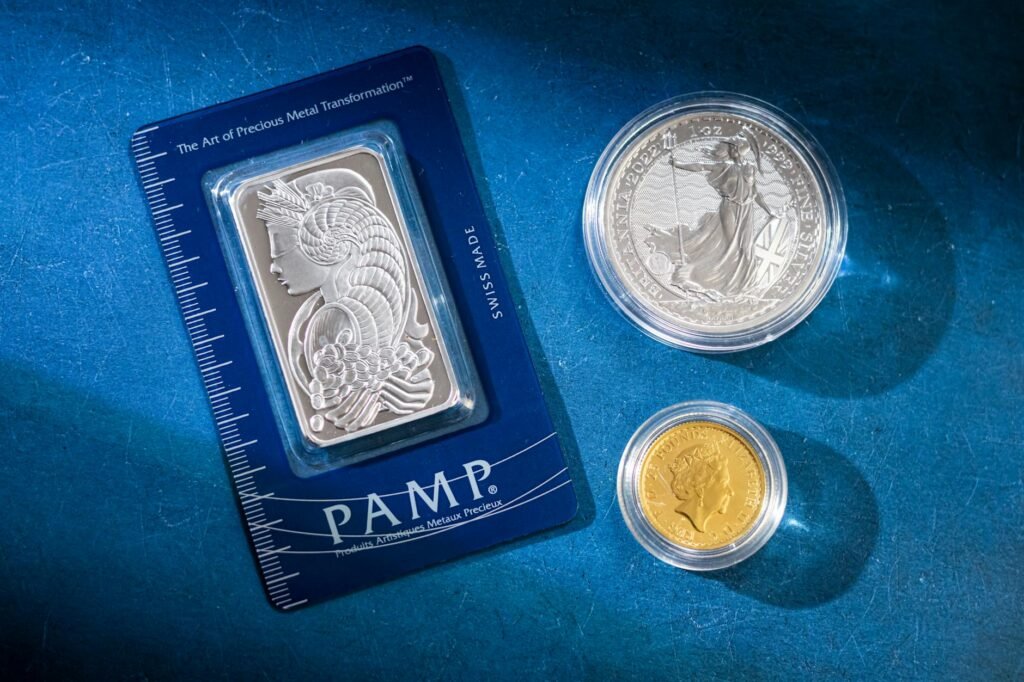
- Physical Silver: Owning silver bars, rounds, or coins provides direct ownership and a tangible asset. It offers complete protection against counterparty risk but incurs storage costs and premiums over spot price.
- Silver ETFs (Exchange Traded Funds): These funds typically hold physical silver on behalf of investors, offering liquidity and ease of trading without the hassle of physical storage. Examples include SLV (iShares Silver Trust) or PSLV (Sprott Physical Silver Trust).
- Silver Mining Stocks: As discussed, these offer leveraged exposure but come with company-specific risks. Consider a diversified basket of miners rather than a single stock.
- Silver Futures and Options: For experienced investors, these derivatives offer high leverage but also significant risk. They are not recommended for beginners.
Risks and Considerations for Silver Investing in 2026
While silver presents a compelling case, it’s not without its risks:
- Volatility: Silver is notoriously more volatile than gold due to its smaller market size and dual demand drivers. Price swings can be significant.
- Industrial Demand Fluctuations: Economic slowdowns or technological shifts could impact industrial demand, affecting prices.
- Storage and Premiums: Physical silver comes with storage costs, and buying/selling often involves premiums and dealer spreads.
Conclusion
As we navigate 2026, silver stands out as a precious metal with significant potential. Its foundational role in the burgeoning green energy and high-tech sectors, combined with its traditional safe-haven properties, positions it uniquely in the investment landscape. By closely watching industrial demand trends, understanding the implications of the Gold/Silver Ratio, and selectively analyzing silver mining stocks, investors can effectively integrate “the other precious metal” into a diversified portfolio.
Whether you choose physical bullion, ETFs, or mining equities, silver offers a compelling narrative for growth and portfolio diversification in the years ahead. As always, conduct thorough research and consider consulting a financial advisor to align silver investments with your personal financial goals and risk tolerance.