
Often overshadowed by its golden counterpart, silver presents a unique and compelling investment opportunity, particularly as we navigate the economic landscape of 2026. Far more than just a safe-haven asset, silver boasts a critical dual identity: a store of value and an indispensable industrial metal. This dual role makes it a dynamic player in any diversified portfolio, offering both inflationary protection and exposure to burgeoning technological advancements. As global markets evolve, understanding silver’s multifaceted drivers – from industrial demand to its historical relationship with gold – is crucial for investors looking to capitalize on its potential in the coming year.
The Dynamic Silver Market in 2026
As we settle into 2026, the silver market is characterized by a confluence of macroeconomic factors and robust industrial applications. While global economic growth projections are moderating slightly from their post-pandemic highs, strategic sectors continue to drive demand for critical materials. Silver, with its unique conductive and reflective properties, finds itself at the epicenter of this technological expansion. Investors in 2026 are looking at a market that, while prone to its characteristic volatility, offers significant upside potential driven by supply-demand fundamentals and its evolving role in the modern economy.
Industrial Demand: Silver’s Engine of Growth
Unlike gold, which is predominantly a monetary and jewelry metal, approximately 50-60% of annual silver demand comes from industrial applications. This makes industrial growth a primary catalyst for silver prices. In 2026, several key industries are exerting significant pull:
- Solar Energy (Photovoltaics): The global push towards renewable energy continues unabated. 2026 sees continued robust expansion in solar panel installations, with silver remaining a critical component due to its unparalleled electrical conductivity. Newer, more efficient cell designs are reducing the per-panel silver usage but are more than offset by the sheer volume of new capacity.
- Electric Vehicles (EVs): The EV revolution is in full swing. Silver is used extensively in EV wiring, battery connections, charging points, and various electronic components. As EV production scales up rapidly in 2026, so too does the demand for silver in this sector.
- 5G Technology: The ongoing rollout of 5G infrastructure globally requires vast amounts of silver for switches, circuit boards, and connectors, thanks to its superior conductivity at high frequencies.
- Consumer Electronics & Medical Technology: From smartphones and laptops to advanced medical devices and water purification systems, silver’s antibacterial properties and conductivity make it indispensable across a broad spectrum of high-tech products.
Predictions for 2026 indicate that industrial fabrication demand is poised to hit new highs, putting upward pressure on silver prices, especially if mining output struggles to keep pace with this accelerating demand.
Decoding the Gold/Silver Ratio in 2026
One of the most insightful metrics for evaluating silver’s relative value is the gold/silver ratio. This ratio simply tells us how many ounces of silver it takes to buy one ounce of gold. Historically, the average ratio has hovered around 15:1 during periods of monetary backing and generally between 50:1 and 60:1 in modern times. However, for much of the past few decades, it has trended significantly higher.
As of early 2026, the gold/silver ratio is currently fluctuating around the 85:1 to 90:1 mark. This elevated ratio suggests that silver is historically undervalued relative to gold. Many analysts consider a high ratio like this a potential signal that silver is poised for outperformance. When the ratio is high, it often implies an opportunity to consider selling gold and buying silver, anticipating a future reversion to its historical mean. Conversely, a low ratio might suggest the opposite strategy.
Monitoring this ratio is key for investors looking for cyclical opportunities. A sustained move towards a lower ratio in 2026 could indicate a significant re-rating of silver’s value, driven by strengthening industrial demand and increasing investor attention.
Investment Avenues: Navigating Silver in Your Portfolio
Investing in silver offers several distinct pathways, each with its own risk-reward profile, allowing investors to choose based on their liquidity needs, risk tolerance, and investment goals.
1. Physical Silver
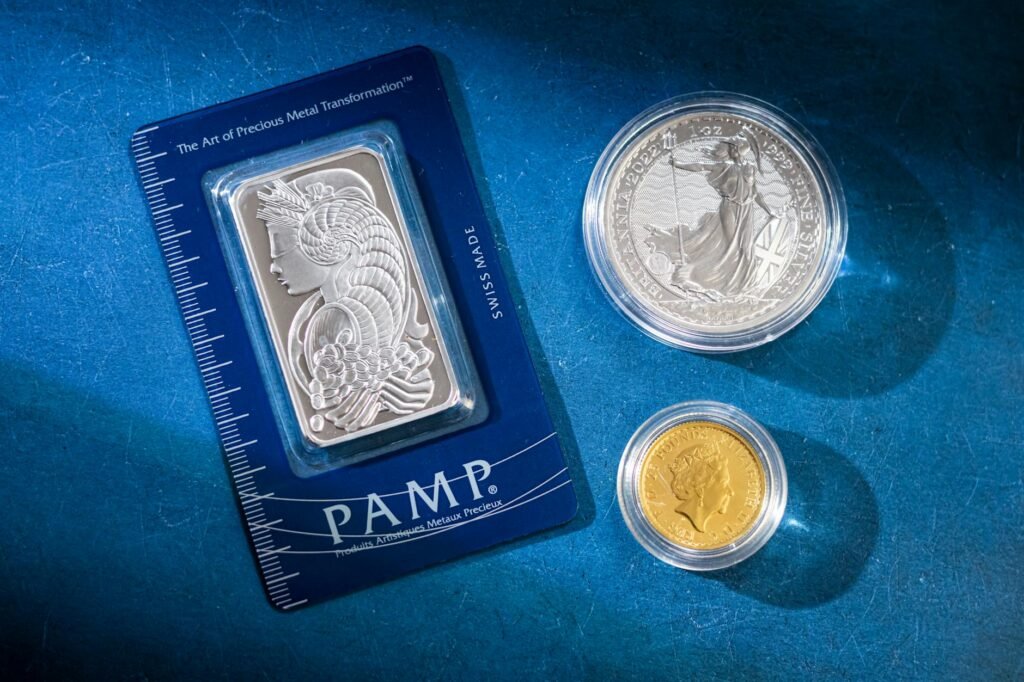
Holding physical silver (coins, bars, rounds) offers direct ownership and removes counterparty risk. It’s a tangible asset that can be held outside the financial system. For 2026, demand for physical silver remains robust, especially among those seeking a hedge against inflation and geopolitical uncertainty. Remember to factor in premiums, storage costs, and security. Popular options include American Silver Eagles, Canadian Silver Maples, and various refinery bars.
2. Silver Exchange-Traded Products (ETPs)
ETPs like ETFs (Exchange-Traded Funds) and ETNs (Exchange-Traded Notes) offer an easy, liquid way to gain exposure to silver prices without the complexities of physical storage. These funds typically hold large amounts of physical silver or track silver futures contracts. They are ideal for investors seeking market exposure through a brokerage account, with easy buying and selling throughout the trading day.
3. Silver Mining Stocks
Investing in silver mining companies provides leveraged exposure to silver prices. When silver prices rise, the profits of miners can increase disproportionately due to their fixed operating costs. In 2026, this sector is influenced by:
- Exploration Success: New discoveries and expanded reserves can significantly boost a company’s prospects and future production capacity.
- Production Costs (AISC): Companies with lower All-in Sustaining Costs (AISC) per ounce are more profitable and resilient during price dips, acting as a crucial indicator of operational efficiency.
- Geopolitical Stability: Mining operations are often in politically sensitive regions, making stable governance, regulatory environments, and community relations key considerations for long-term viability.
- Environmental, Social, and Governance (ESG) Factors: Increasingly, investors are scrutinizing miners’ ESG practices. Strong ESG performance can enhance a company’s reputation, secure financing, and reduce operational risks.
While offering higher potential returns, mining stocks carry operational risks, management risks, and are subject to broader equity market fluctuations. Diligent research into a company’s balance sheet, management team, and project pipeline is essential for informed decisions.
Practical Tips for Silver Investors in 2026
To navigate the silver market effectively in 2026, consider these actionable strategies:
- Diversify Your Allocation: Don’t put all your eggs in one basket. Allocate a measured percentage of your portfolio to silver, balancing it with other assets like equities, bonds, and gold.
- Monitor Industrial Trends: Keep a close eye on developments in solar, EV, and 5G sectors, as these are strong indicators of future silver demand and potential price catalysts.
- Watch the Gold/Silver Ratio: Use the ratio as a valuable tool to gauge silver’s relative value against gold and identify potential entry or exit points based on historical trends.
- Understand Volatility: Silver is known for its price swings, often more pronounced than gold’s. Be prepared for fluctuations and avoid emotional decision-making based on short-term movements.
- Cost Averaging: Consider buying silver incrementally over time through dollar-cost averaging to mitigate the impact of price volatility and reduce the risk of buying at a peak.
- Perform Due Diligence: Especially when investing in mining stocks, thoroughly research companies, their financials, management teams, and operational risks before committing capital.
Conclusion: Silver’s Enduring Appeal in 2026
Silver’s narrative in 2026 is one of undeniable significance. Its intrinsic value as a monetary metal, coupled with its critical role in the technological advancements shaping our future, positions it as a compelling asset. From the ever-expanding solar industry to the accelerating electric vehicle revolution, industrial demand is setting a strong fundamental floor for silver prices. When combined with a historically attractive gold/silver ratio suggesting potential undervaluation, the “other” precious metal offers a unique blend of speculative potential and fundamental strength.
Whether you choose to invest in physical bullion, liquid ETPs, or high-leverage mining stocks, a thoughtful approach to silver investing in 2026 can provide both portfolio diversification and exposure to powerful secular trends. As always, remember that successful investing involves thorough research, risk management, and alignment with your personal financial goals. Silver is ready to shine; are you ready to invest?