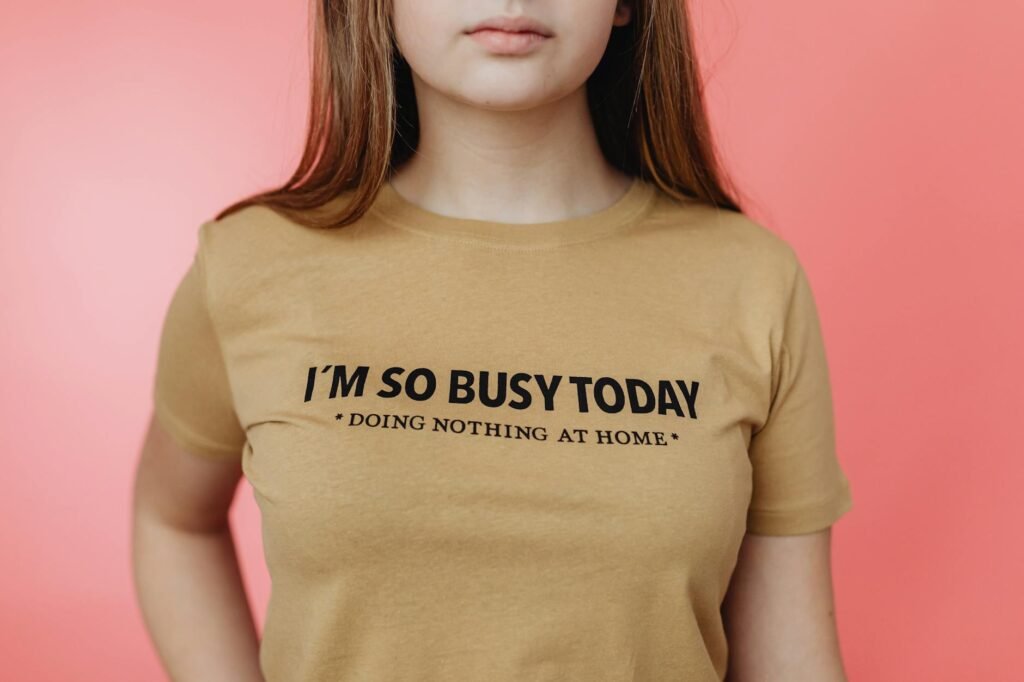

The e-commerce landscape has undergone a massive transformation, and as we navigate 2026, the opportunities to build wealth online are more accessible than ever. Among the most lucrative, low-risk ventures is the Print on Demand (POD) T-shirt business. In 2026, you no longer need to manage physical inventory, lease warehouse space, or invest thousands of dollars upfront. With advanced automated supply chains, hyper-realistic AI design tools, and the explosion of social commerce, starting a global apparel brand from your laptop has evolved from a side hustle into a highly scalable, high-margin enterprise.
For readers of Gainsium, this guide serves as your strategic blueprint. We will cut through the noise to show you exactly how to build, launch, and scale a profitable POD T-shirt business in 2026, utilizing the latest platforms, design technologies, and cutting-edge marketing funnels.
The Print on Demand Landscape in 2026
To succeed today, you must understand how the industry has matured. The global custom t-shirt printing market is projected to surpass $10 billion this year, driven by a cultural shift toward self-expression, niche communities, and sustainable fashion. Consumers in 2026 are highly selective; they demand premium fabric quality, rapid shipping, and eco-friendly manufacturing practices.
Fortunately, modern POD fulfillment partners have adapted. Traditional, slow-shipping providers have been replaced by agile, localized printing networks. Today, when a customer in Munich or New York orders from your online store, the product is printed locally and delivered within 48 to 72 hours. This rise in efficiency means higher customer satisfaction and lower return rates for your brand.
Choosing the Right POD Platforms in 2026
Your fulfillment partner is the backbone of your business. In 2026, the industry is largely divided into two distinct models: integrated fulfillment providers and managed marketplaces. Choosing the right one depends on your budget, technical skills, and long-term business goals.
1. Printful: The White-Label Industry Standard
If your goal is to build a highly recognizable, independent brand, Printful remains the gold standard in 2026. Printful integrates seamlessly with major e-commerce platforms like Shopify, WooCommerce, and Wix. This allows you to host your own custom-branded store while Printful handles the printing, packaging, and shipping behind the scenes. In 2026, Printful stands out for its expanded catalog of organic and recycled fabrics, advanced custom branding options (like custom inside neck labels and branded pack-ins), and direct integration with social media checkouts.
2. Redbubble: The Low-Barrier Marketplace
For beginners who want to test design concepts without the overhead costs of hosting a website, Redbubble is an excellent starting point. As a managed marketplace, Redbubble handles customer acquisition, hosting, and customer service. You simply upload your designs, and Redbubble displays them to millions of active shoppers on their platform. While the profit margins on Redbubble are lower than on self-hosted Shopify stores, it remains an invaluable tool for market research, organic traffic generation, and low-friction cash flow.
Designing for 2026: AI Tools and Aesthetic Trends
In 2026, bad designs do not sell. The market is highly sophisticated, and consumers can instantly spot low-effort templates. Fortunately, the barrier to creating professional-grade, commercial-ready artwork has plummeted thanks to advanced artificial intelligence.
Leveraging Generative AI Responsibly
Tools like Midjourney v7, DALL-E 4, and specialized vector generators have revolutionized design creation. Instead of spending hours learning complex graphic software, you can now use precise text prompting to generate ultra-high-resolution, print-ready graphics. To succeed in 2026, focus on generating clean, scalable vector art rather than cluttered photographic images, as vectors translate perfectly onto fabric without losing quality.
Key Design Trends for 2026
- Neo-Minimalism: Clean, thin-line typography, understated pocket prints, and simple geometric shapes that appeal to the modern aesthetic.
- Retro-Futurism: Bold, vibrant 90s and Y2K color palettes combined with futuristic, cybernetic design elements.
- Hyper-Localized Niches: Highly specific designs targeting micro-communities, such as specific regional hobby groups, niche tech professions, or local environmental causes.
- Interactive and AR Designs: T-shirts featuring stylized QR codes or augmented reality markers that trigger digital experiences when scanned by a smartphone camera.
Cutting-Edge Marketing Strategies for 2026
Creating a great design is only half the battle; the real differentiator in 2026 is how effectively you drive traffic. Traditional paid advertising on search engines has grown increasingly expensive, making creative organic and social-first marketing strategies essential for high profit margins.
1. Dominate Social Commerce and TikTok Shop
Social commerce is no longer optional. In 2026, platforms like TikTok Shop, Instagram Shopping, and YouTube Shopping allow users to buy your products directly within the app. By linking your Shopify/Printful store to these platforms, you can create short-form video content showcasing your apparel. When a viewer clicks the product tag in your video, they can complete the checkout process in seconds without ever leaving the social feed.
2. Micro-Influencer Gifting Campaigns
Instead of spending massive budgets on large influencers, target micro-influencers (creators with 5,000 to 30,000 highly engaged followers) within your specific niche. Send them free samples of your best-selling t-shirts in exchange for honest reviews, unboxing videos, or styling tutorials. In 2026, authentic, user-generated content (UGC) convert at a significantly higher rate than polished, corporate advertisements.
3. Search Engine Optimization (SEO) for Apparel
Whether you are selling on your own Shopify store or a marketplace like Redbubble, search optimization is critical. Optimize your product titles, descriptions, and tags with specific, long-tail search terms. Instead of naming a product “Funny Dog T-Shirt,” use highly descriptive keywords like “Retro Minimalist Golden Retriever Apparel” to capture high-intent buyers searching for exactly what you offer.
Your Step-by-Step 2026 Launch Blueprint
Ready to build your digital asset? Follow this structured, step-by-step roadmap to launch your print on demand business successfully this year:
- Identify a Profitable Niche: Research passionate communities on platforms like Reddit, Discord, and TikTok. Find a group with a strong identity but underserved apparel options.
- Set Up Your Infrastructure: Create a Shopify store (for maximum brand control) and connect it to a high-quality provider like Printful, or launch directly on Redbubble to minimize initial costs.
- Create High-Resolution Designs: Utilize 2026 AI design tools and graphic platforms like Canva to generate unique, high-contrast designs optimized for DTG (Direct-to-Garment) printing.
- Order Samples: Never sell a product you haven’t held in your hands. Order samples of your shirts to personally inspect the fabric feel, print accuracy, and wash durability.
- Optimize Your Storefront: Ensure your product pages have high-quality mockups, clear sizing charts, transparent shipping times, and social proof elements.
- Launch Your Marketing Engine: Begin producing short-form video content, leverage social commerce integrations, and reach out to niche micro-influencers to drive your initial wave of traffic.
Conclusion
Starting a print on demand t-shirt business in 2026 is one of the smartest ways to enter the e-commerce arena and build long-term wealth. With low overhead, automated fulfillment, and powerful design tools at your disposal, the traditional barriers to entry have been completely dismantled. However, success requires consistency, deep niche research, and a commitment to quality. By leveraging the advanced tools, trends, and platforms outlined in this guide, you can establish a highly automated, profitable brand that generates consistent passive income. Take the first step today, design for your audience, and build your digital empire in 2026.