
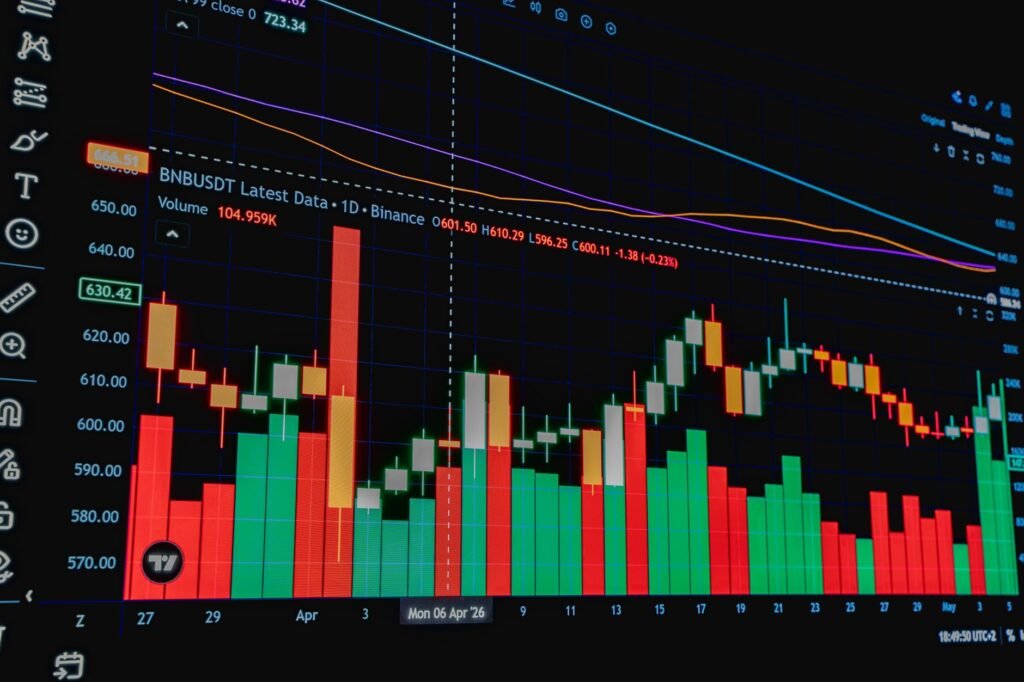

Understanding market liquidity is crucial for anyone engaging with financial markets. Simply put, market liquidity refers to how easily an asset or security can be converted into cash without significantly affecting its market price. For investors, this concept is fundamental because it directly impacts the efficiency of transactions, the fairness of pricing, and the overall risk profile of an investment.
What Exactly Is Market Liquidity?
At its core, market liquidity measures the ease with which an asset can be bought or sold without causing a substantial change in its price. A highly liquid market is characterized by a large number of willing buyers and sellers, allowing for quick execution of trades at prices very close to the last traded price. Conversely, an illiquid market has fewer participants, making it difficult to find a counterparty for a trade, which can lead to larger price swings for smaller transaction sizes.
Key Components of Liquidity
- Tightness: This refers to the bid-ask spread—the difference between the highest price a buyer is willing to pay (bid) and the lowest price a seller is willing to accept (ask). A tight market has a small bid-ask spread, indicating minimal cost to execute a trade.
- Depth: Market depth relates to the quantity of orders available at various prices around the current market price. A deep market can absorb large buy or sell orders without significant price movement, as there are many orders waiting to be filled at slightly different prices.
- Resilience: This component describes how quickly prices revert to fundamental values after being perturbed by large orders or unexpected news. A resilient market can quickly recover and stabilize its pricing following temporary disruptions.
Why Market Liquidity Matters to Investors
The level of liquidity in a market has profound implications for every investor, from long-term holders to active traders.
Facilitates Efficient Trading and Price Discovery
High liquidity allows investors to enter and exit positions quickly and at predictable prices, reducing transaction costs and execution risk. In liquid markets, the continuous flow of buy and sell orders ensures that prices reflect all available information, leading to more accurate price discovery. This means the market price is a fair representation of the asset’s current value based on collective participant views.
Impacts Risk Management and Portfolio Flexibility
Liquid assets can be sold swiftly to meet unforeseen cash needs, rebalance portfolios, or respond to changing market conditions without incurring substantial losses due to slippage (the difference between the expected price of a trade and the price at which the trade is actually executed). Illiquid assets, on the other hand, can tie up capital for extended periods, posing higher reinvestment risk and making it challenging to divest during market downturns or personal financial exigencies.
Influence on Asset Valuation
In general, illiquid assets often trade at a discount compared to similar, more liquid assets. This
Disclaimer: This article is provided for general informational and educational purposes only and does not constitute financial, investment, trading, or legal advice. Gainsium is not a registered investment advisor. Markets are volatile and past performance does not guarantee future results. Readers should conduct their own research and consult a licensed financial advisor before making any investment decisions.