
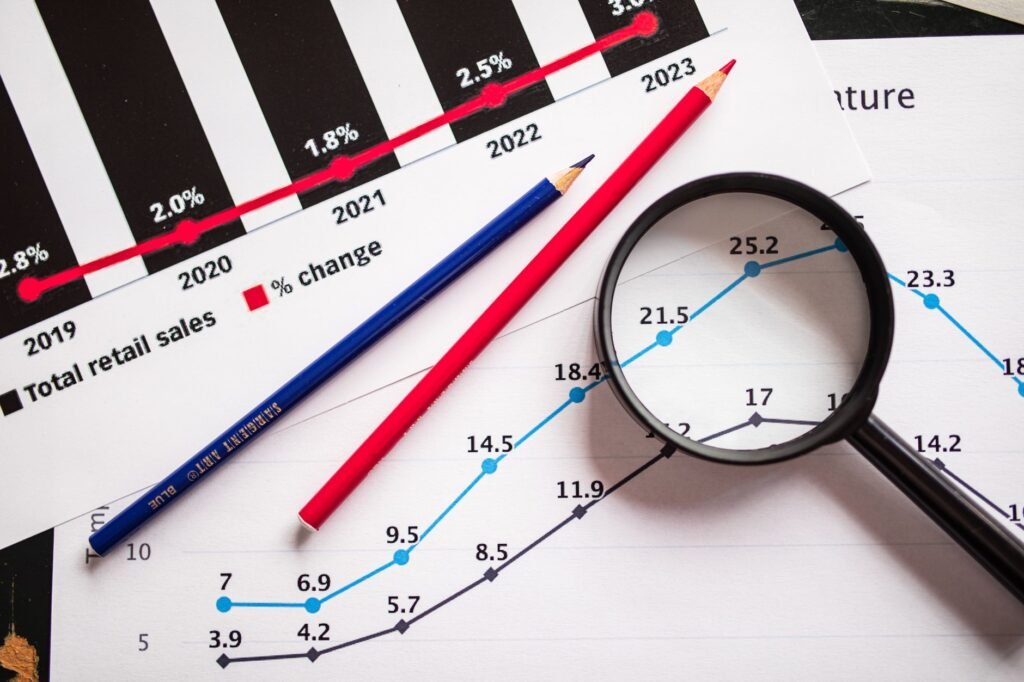

In 2026, understanding how to interpret inflation data remains a critical skill for market analysis. This guide will help readers navigate the complexities of key inflation reports and indicators, enabling more informed market analysis decisions in the current economic landscape. Inflation, a persistent topic of economic discussion in recent years, continues to shape central bank policy and investor sentiment, making its accurate interpretation essential for those assessing market trends.
Understanding Key Inflation Reports
Several government reports offer crucial insights into inflationary pressures within an economy. Paying close attention to these releases is fundamental for market participants.
Consumer Price Index (CPI)
The Consumer Price Index (CPI), published monthly by the Bureau of Labor Statistics, measures the average change over time in the prices paid by urban consumers for a market basket of consumer goods and services. It is often considered the most widely followed inflation gauge. Analysts typically scrutinize both the headline CPI, which includes all items, and the ‘core’ CPI, which excludes volatile food and energy prices. While headline CPI provides a full picture of consumer costs, core CPI is often preferred by central bankers and economists for identifying underlying inflation trends, as it removes temporary shocks. A higher-than-expected CPI reading can suggest stronger inflationary pressures, potentially leading to expectations of tighter monetary policy, which can in turn influence bond yields and equity valuations.
Producer Price Index (PPI)
The Producer Price Index (PPI) tracks the average changes in prices received by domestic producers for their output. Released monthly by the Bureau of Labor Statistics, the PPI offers insights into inflation from a producer’s perspective, reflecting input costs. This index can often act as a leading indicator for consumer inflation; increases in producer prices may eventually be passed on to consumers. Examining different stages of processing – crude goods, intermediate goods, and finished goods – can provide a granular view of where inflationary pressures are building up in the supply chain. For market analysis, a rising PPI can signal future margin pressure for companies, which might affect their earnings outlooks.
Personal Consumption Expenditures (PCE) Price Index
The Personal Consumption Expenditures (PCE) Price Index is the Federal Reserve’s preferred measure of inflation. Produced by the Bureau of Economic Analysis, it tracks changes in the prices of goods and services purchased by consumers. Similar to CPI, the PCE index is reported both as a headline figure and a ‘core’ figure, excluding food and energy. The PCE index tends to be broader in its coverage than CPI and allows for shifts in consumer spending patterns. Central bankers closely monitor core PCE to guide monetary policy decisions. Market participants often analyze PCE data to anticipate potential shifts in interest rate policy, which can have significant implications for asset prices across the board.
Beyond the Headlines: Other Inflation Indicators
While the major price indexes provide a solid foundation, a comprehensive market analysis incorporates a wider array of indicators to truly grasp the inflation landscape.
Wage Growth Data
Data related to wage growth, such as the Employment Cost Index (ECI) and Average Hourly Earnings (AHE), are crucial for assessing service-sector inflation. If wages rise significantly, businesses may pass these increased labor costs onto consumers, contributing to persistent inflation, especially in services where labor is a substantial input. Strong wage growth can also signal robust consumer demand, further fueling price increases. Market analysts often look for trends in these figures to gauge the potential for a wage-price spiral, where rising wages lead to rising prices, which in turn lead to demands for higher wages.
Commodity Prices
Movements in commodity prices, including energy (like crude oil and natural gas), industrial metals, and agricultural products, can offer early warnings about future inflationary trends. Commodities are often fundamental inputs for many goods and services. For instance, rising oil prices directly impact transportation costs and, indirectly, the cost of producing and distributing nearly everything. While commodity prices can be volatile due to supply-demand imbalances or geopolitical events, sustained increases across a broad range of commodities can indicate building pipeline inflation that may eventually affect consumer prices.
Inflation Expectations
Understanding inflation expectations is vital because they can become self-fulfilling. If consumers and businesses expect prices to rise, they may adjust their behavior – consumers might accelerate purchases, and businesses might raise prices and wages – contributing to actual inflation. Key indicators include surveys like the University of Michigan Consumer Sentiment Survey’s inflation expectations component and the Federal Reserve Bank of New York’s Survey of Consumer Expectations. Another important measure is the ‘breakeven’ inflation rate derived from Treasury Inflation-Protected Securities (TIPS), which reflects the market’s expectation of future inflation over a specific period. A rise in market-based inflation expectations can signal that investors anticipate more persistent inflationary pressures.
Interpreting Inflation for Different Asset Classes
Inflation data does not impact all asset classes uniformly. Understanding these differentiated effects is key to a holistic market analysis.
Equities
For equities, the impact of inflation can be complex. Moderate, predictable inflation can sometimes be beneficial, allowing companies to raise prices and potentially improve revenues. However, high or volatile inflation can erode corporate profits by increasing input costs (materials, labor) and reducing consumer purchasing power. Growth stocks, which derive much of their value from future earnings, can be particularly sensitive to rising interest rates often associated with inflation-fighting measures, as higher rates discount those future earnings more steeply. Conversely, ‘value’ stocks or companies with strong pricing power and stable cash flows might be viewed as more resilient during inflationary periods. Certain sectors, such as consumer staples or energy, have historically shown different sensitivities to inflation.
Fixed Income (Bonds)
Fixed income assets, like bonds, are generally negatively impacted by rising inflation. Inflation erodes the purchasing power of future fixed payments, making existing bonds with lower fixed coupon rates less attractive. This can lead to a decrease in bond prices and an increase in bond yields. Central bank actions to combat inflation, typically by raising interest rates, also directly depress bond prices. Investors in 2026 often monitor ‘real yields’ (nominal yield minus inflation) to assess the true return on their bond investments. For instance, Treasury Inflation-Protected Securities (TIPS) are designed to provide a hedge against inflation, as their principal value adjusts with the CPI.
Real Estate
Historically, real estate has often been considered an inflation hedge. Property values and rental incomes tend to rise with inflation, offering a potential store of value. However, the relationship is not always straightforward. Rising inflation often prompts central banks to increase interest rates, which can lead to higher mortgage rates and potentially cool demand in the housing market. In 2026, market participants continue to assess the balance between real estate’s tangible asset characteristics and its sensitivity to borrowing costs. Commercial real estate, with its long-term leases, can see varying impacts depending on lease structures and inflation indexation.
Commodities
Commodities are often viewed as a direct hedge against inflation. Assets like gold, oil, and other raw materials tend to increase in value when the purchasing power of currency declines. Gold, in particular, has a long history as a store of value during times of economic uncertainty and rising inflation. However, commodity prices are also influenced by global supply and demand dynamics, geopolitical events, and economic growth. While commodities can provide portfolio diversification and a potential buffer against inflation, their volatility requires careful consideration. In 2026, the ongoing energy transition and geopolitical landscape continue to add layers of complexity to commodity market analysis.
The 2026 Context: Navigating Inflationary Dynamics
In 2026, the global economy continues to grapple with the aftermath of supply chain realignments, evolving geopolitical dynamics, and the ongoing efforts of central banks to maintain price stability while supporting sustainable growth. These factors create a nuanced backdrop for inflation. Market participants are advised to analyze inflation data not in isolation, but in conjunction with employment figures, GDP growth, and central bank communications. The markets are inherently forward-looking, meaning that shifts in inflation expectations often move asset prices more significantly than backward-looking inflation reports themselves. A consistent approach involves observing trends, understanding the components driving inflation, and assessing how these might influence future monetary policy actions and corporate performance. Monitoring the velocity of money and broader credit conditions can also provide additional insights into underlying economic activity that may feed into inflationary pressures. Ultimately, interpreting inflation data in 2026 requires a dynamic perspective, recognizing that economic forces are constantly in motion and can shift the inflation narrative.
Disclaimer: This article is provided for general informational and educational purposes only and does not constitute financial, investment, trading, or legal advice. Gainsium is not a registered investment advisor. Markets are volatile and past performance does not guarantee future results. Readers should conduct their own research and consult a licensed financial advisor before making any investment decisions.