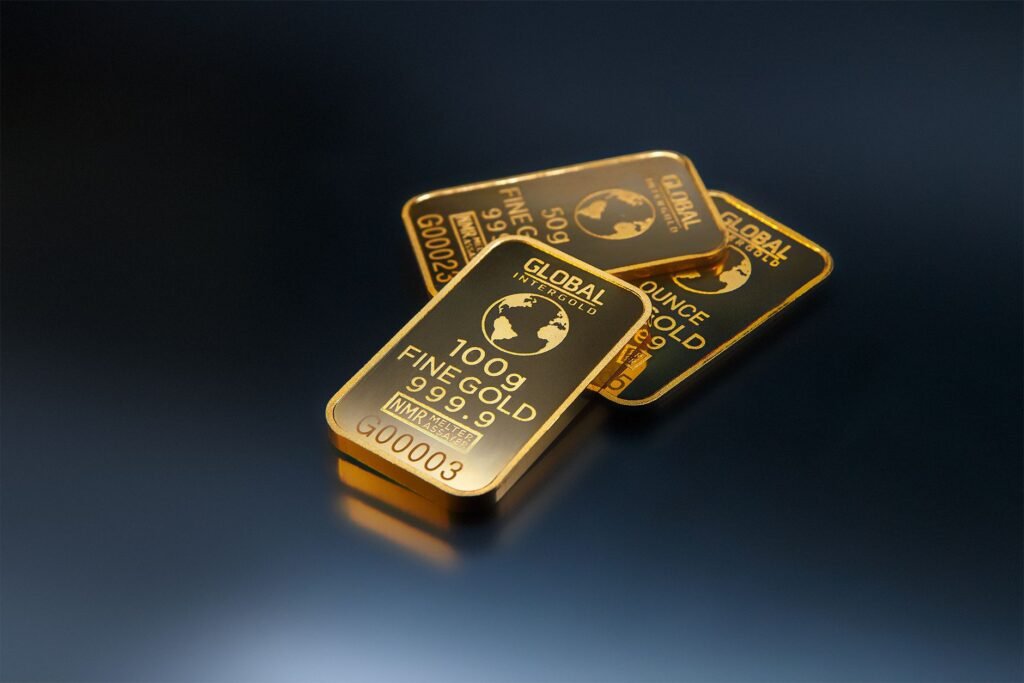

In 2026, many investors are re-evaluating their portfolios in an evolving economic landscape, seeking robust diversification strategies. While gold has long been a go-to asset for hedging against inflation and market volatility, expanding one’s view to include other precious metals like silver, platinum, and palladium can offer additional avenues for risk management and potential growth. This article explores how these often-overlooked metals can contribute to a well-rounded portfolio.
Why Diversify with Precious Metals?
Precious metals have historically served as a tangible asset class, often displaying an inverse correlation to traditional financial assets such as stocks and bonds during periods of economic uncertainty. This characteristic can make them valuable tools for portfolio diversification, potentially helping to reduce overall portfolio volatility and preserve purchasing power, particularly during inflationary environments. Gold, for instance, has a long-standing reputation as a safe-haven asset, but the broader precious metals complex offers unique risk-return profiles that warrant consideration.
In 2026, with persistent global economic shifts and supply chain considerations, the appeal of assets that are not solely tied to a single currency or equity market performance remains strong. Diversifying across different precious metals can further enhance this strategy by exposing a portfolio to varying industrial demands, geopolitical influences, and supply dynamics.
Exploring Other Precious Metals
Silver: The “Industrial Gold”
Silver holds a unique position, often referred to as “industrial gold” due to its significant demand from both investment and industrial sectors. Historically, silver has functioned as a monetary metal, similar to gold, but its extensive industrial applications distinguish it. In 2026, key drivers for silver demand include its crucial role in green technologies, such as solar panels and electric vehicle components, as well as its use in electronics, medical devices, and photography. This dual nature means silver prices can be influenced by investor sentiment, like gold, but also by the health and growth of the global manufacturing sector. Some investors observe that silver often exhibits higher volatility than gold, potentially offering greater upside during bull markets but also larger drawdowns.
Platinum: Industrial Demand Meets Scarcity
Platinum is considerably rarer than gold or silver, with its primary supply concentrated in a few geological regions. Historically, a significant portion of platinum demand has come from the automotive industry, where it is used in catalytic converters to reduce emissions, particularly in diesel engines. As of 2026, while the shift towards electric vehicles continues to be a long-term consideration, platinum also plays a vital role in various industrial processes, including petroleum refining, glass manufacturing, and chemical production. Notably, platinum is increasingly being highlighted for its potential in the burgeoning hydrogen economy, specifically in fuel cells and electrolyzers for green hydrogen production. This emerging demand could present new drivers for the metal, potentially offsetting any long-term decline in traditional automotive demand from internal combustion engines.
Palladium: A Niche Industrial Powerhouse
Palladium, like platinum, is predominantly an industrial metal, with its primary use in catalytic converters for gasoline-powered vehicles. Its supply is even more geographically concentrated than platinum, making it susceptible to geopolitical events and supply chain disruptions. In recent years leading up to 2026, palladium has seen significant price appreciation driven by stringent emissions standards and supply constraints. There has also been a trend of substitution between platinum and palladium in catalytic converters, driven by relative price differences and technological advancements. Analysts often point to the health of the global automotive industry and geopolitical stability in major producing regions as key factors influencing palladium’s market dynamics.
Methods for Investing in Precious Metals
For investors considering exposure to precious metals beyond gold, several accessible avenues exist:
- Physical Bullion: Direct ownership of bars and coins in silver, platinum, or palladium. This method offers tangible security but requires careful consideration of storage, insurance, and transaction costs, including premiums over spot price.
- Exchange-Traded Funds (ETFs): These financial instruments offer a convenient way to gain exposure to precious metal prices without the complexities of physical ownership. Many ETFs are backed by physical metal, providing a relatively direct correlation to the metal’s spot price, while others may use futures contracts. Investors should research the specific structure and underlying assets of any ETF.
- Mining Stocks: Investing in the shares of companies involved in the extraction and processing of silver, platinum, or palladium can provide exposure. This approach can offer leverage to metal price movements and potential for dividends, but it also introduces company-specific risks related to management, operational efficiency, geopolitical factors in mining regions, and overall equity market volatility.
- Futures Contracts: For more sophisticated investors, futures contracts offer a way to speculate on future price movements of precious metals. However, these instruments involve significant leverage and risk, making them generally unsuitable for most individual investors seeking portfolio diversification.
Considerations for 2026 and Beyond
As of 2026, the global economic landscape continues to present a complex picture. Inflationary pressures, central bank policies, and geopolitical events remain significant drivers of commodity markets, including precious metals. The growing emphasis on sustainable technologies and the green energy transition is creating new industrial demands for metals like silver and platinum, while the automotive sector continues to influence palladium. Investors evaluating these metals should conduct thorough due diligence and consider their individual financial goals, risk tolerance, and time horizon.
It is important to remember that precious metals are often considered a component of a diversified portfolio, rather than a standalone investment strategy. The market outlook for any commodity can be influenced by numerous unpredictable factors, and while historical performance can offer insights, it does not guarantee future results. Experts and analysts often offer varying forecasts regarding future price movements, underscoring the inherent uncertainty in market predictions. Thoughtful allocation across a range of assets, including different precious metals, is a common approach to building resilience within a portfolio.
Disclaimer: This article is provided for general informational and educational purposes only and does not constitute financial, investment, trading, or legal advice. Gainsium is not a registered investment advisor. Markets are volatile and past performance does not guarantee future results. Readers should conduct their own research and consult a licensed financial advisor before making any investment decisions.