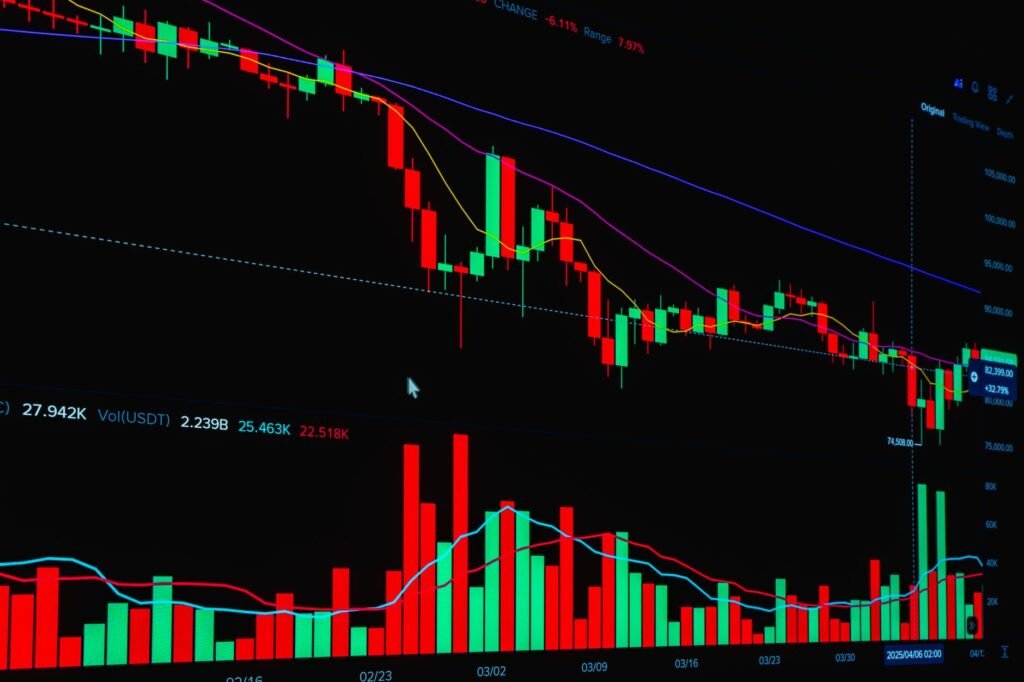

Backtesting a trading strategy is a critical step for any market participant looking to evaluate its potential effectiveness before committing real capital. This process involves applying a trading strategy to historical market data to simulate its performance and understand how it might have fared under past market conditions. By methodically analyzing these simulated results, traders can identify strengths, weaknesses, and areas for refinement, ultimately aiming for better performance.
What is Backtesting?
Backtesting is essentially a simulation exercise. It takes a predefined set of trading rules (e.g., entry signals, exit signals, position sizing, stop-loss orders) and applies them to historical financial data, such as past stock prices, commodity futures, or currency exchange rates. The goal is to generate hypothetical profits and losses that the strategy would have incurred, providing an objective measure of its historical viability. In the current financial landscape of 2026, where algorithmic trading and data-driven decisions are increasingly prevalent, backtesting has become an indispensable tool for developing robust and adaptive trading systems.
Why Backtest Your Strategy?
The primary reason for backtesting is to gain confidence in a strategy’s potential before deploying it live. Without it, a strategy remains theoretical, its effectiveness unproven. There are several key benefits:
- Risk Mitigation: By identifying flaws and unprofitable periods in historical data, backtesting helps reduce the risk of future capital losses. A strategy that consistently underperformed in the past is unlikely to perform well in the future without significant adjustments.
- Performance Evaluation: It allows for the calculation of various performance metrics such as profit factor, maximum drawdown, win rate, average profit per trade, and Sharpe ratio. These metrics provide a comprehensive understanding of a strategy’s risk-adjusted returns.
- Strategy Refinement: The results of a backtest highlight areas where a strategy can be improved. Traders can adjust parameters, refine entry/exit conditions, or even incorporate new indicators to optimize performance.
- Understanding Market Behavior: Analyzing how a strategy reacted to different market phases (e.g., bull markets, bear markets, periods of high volatility) can offer valuable insights into its robustness and adaptability.
- Building Confidence: A thoroughly backtested strategy, even if it has limitations, can instill greater confidence in a trader, helping them stick to their plan during periods of market uncertainty.
The Backtesting Process: A Step-by-Step Guide
Executing a comprehensive backtest involves several methodical steps:
1. Define Your Trading Strategy
Before any testing begins, the strategy must be clearly articulated. This includes defining all rules explicitly: what triggers a buy signal, what triggers a sell signal, how position size is determined, where stop-losses are placed, and profit-taking targets. Ambiguity in rules can lead to inaccurate backtest results.
2. Acquire Reliable Historical Data
High-quality, clean historical data is paramount. This includes price data (open, high, low, close), volume, and potentially other relevant indicators or fundamental data. Data should cover a significant period, ideally spanning various market cycles, to ensure the strategy is tested under diverse conditions. With the widespread availability of data providers in 2026, accessing granular, tick-level data for various asset classes has become more accessible, though verifying its accuracy remains crucial.
3. Choose a Backtesting Platform
Several tools are available, ranging from simple spreadsheets for basic strategies to sophisticated dedicated backtesting software or programming languages like Python with libraries such as backtrader or zipline. The choice often depends on the complexity of the strategy and the user’s technical proficiency.
4. Implement the Strategy
Translate the defined rules into the chosen platform’s language or framework. This is where the strategy’s logic is coded or configured to interact with the historical data. Care must be taken to avoid common coding errors or logical inconsistencies.
5. Run the Backtest
Execute the backtest on the chosen historical dataset. The platform will simulate each trade according to the strategy’s rules, recording entry and exit points, profit/loss, and other relevant metrics.
6. Analyze the Results
This is where the simulated performance is evaluated. Key metrics to scrutinize include:
- Net Profit/Loss: The total hypothetical gain or loss over the backtesting period.
- Drawdown: The largest percentage drop from a peak in equity. Lower drawdowns are generally preferred.
- Win Rate: The percentage of profitable trades.
- Profit Factor: Gross profits divided by gross losses – a measure of strategy robustness.
- Sharpe Ratio: Measures risk-adjusted return, indicating how much excess return is received for the volatility taken.
- Average Profit/Loss per Trade: Insights into the typical outcome of a single trade.
7. Optimize and Refine
Based on the analysis, adjustments can be made to the strategy’s parameters. This iterative process of testing, analyzing, and refining is crucial for improving performance. However, caution must be exercised to avoid overfitting, where a strategy performs exceptionally well on historical data but fails in live markets because it has been tailored too specifically to past anomalies rather than general market principles.
Tools and Data for Backtesting
The effectiveness of backtesting is heavily reliant on the quality of tools and data used:
- Data Sources: Reputable financial data providers offer historical market data, often with varying levels of granularity (e.g., daily, hourly, tick data). Some brokerage platforms also provide access to historical data for their users. It is important to ensure data is free of errors, such as survivorship bias (where delisted stocks are excluded) or look-ahead bias (using future information that would not have been available at the time of the trade).
- Software Platforms: Many platforms cater to different needs:
- Spreadsheets (e.g., Excel, Google Sheets): Suitable for simple strategies and manual calculations.
- Specialized Backtesting Software: Platforms like TradeStation, MetaTrader’s Strategy Tester, or TradingView’s Pine Script offer integrated environments for strategy development and backtesting.
- Programming Languages (e.g., Python, R): Offer maximum flexibility and customization for complex strategies, machine learning integration, and extensive data analysis. Libraries like Pandas for data manipulation and Matplotlib for visualization are invaluable.
Limitations and Best Practices
While powerful, backtesting is not without its limitations:
- Historical Performance Does Not Guarantee Future Results: This is a fundamental principle in finance. Market conditions, participants, and regulations evolve. A strategy that performed well in the past might not adapt to future market structures or unforeseen events. The market environment in 2026, for example, might feature different volatility profiles or macroeconomic pressures than a decade ago.
- Overfitting: The risk of creating a strategy that is too specific to the historical data it was tested on. This often results from excessive optimization.
- Transaction Costs and Slippage: Many backtests simplify or omit the impact of commissions, fees, and slippage (the difference between the expected price of a trade and the price at which the trade is executed). These real-world costs can significantly erode profits, especially for high-frequency strategies.
- Unexpected Events: Black swan events or unprecedented market shifts are by definition not reflected in historical data and cannot be accounted for by backtesting.
- Emotional Factor: Backtesting cannot simulate the psychological pressures of live trading, which can lead traders to deviate from their strategy.
To mitigate these limitations, consider these best practices:
- Use Out-of-Sample Data: After optimizing on one historical period, test the final strategy on a different, previously unseen historical period (out-of-sample data) to check for robustness and avoid overfitting.
- Include Realistic Costs: Always factor in realistic commissions, fees, and an estimated amount for slippage.
- Keep Strategies Simple: Often, simpler strategies are more robust and less prone to overfitting than overly complex ones.
- Consider Market Microstructure: For higher-frequency strategies, account for order book dynamics and liquidity constraints that would exist in live trading.
- Combine with Forward Testing (Paper Trading): After a successful backtest, paper trading (simulated trading with live market data) can serve as a valuable interim step before committing real capital, bridging the gap between historical simulation and live execution.
In summary, backtesting is an indispensable tool in the development of a trading strategy, offering a data-driven approach to understanding its potential. By diligently following a structured backtesting process and being aware of its inherent limitations, traders can significantly enhance their strategies, striving for more informed decisions and potentially better long-term performance.
Disclaimer: This article is provided for general informational and educational purposes only and does not constitute financial, investment, trading, or legal advice. Gainsium is not a registered investment advisor. Markets are volatile and past performance does not guarantee future results. Readers should conduct their own research and consult a licensed financial advisor before making any investment decisions.