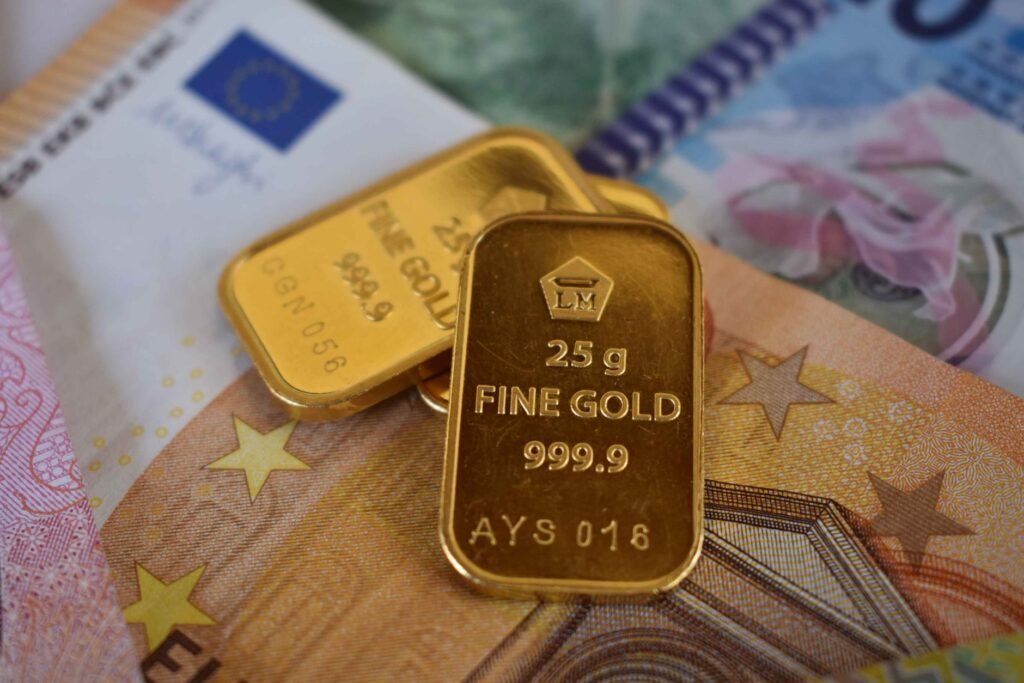

In times of economic uncertainty or geopolitical turmoil, investors often seek refuge in assets perceived as stable and reliable. Among these, gold has historically stood out as a premier safe-haven asset. Its ability to maintain or even increase its value when other investments falter is rooted in a unique combination of historical precedent, economic fundamentals, and market psychology.
The Enduring Historical Pedigree of Gold
Gold’s role as a safe haven is not a modern phenomenon; it is deeply embedded in human history. For millennia, gold has been revered for its beauty, scarcity, and imperviousness to corrosion, making it a natural choice for currency, ornamentation, and a store of wealth.
From Ancient Currency to Modern Reserve
- Ancient Civilizations: Civilizations from the Egyptians to the Romans used gold as a medium of exchange and a symbol of power and wealth, establishing its inherent value across diverse cultures.
- The Gold Standard: For centuries, many national currencies were directly convertible to gold under various forms of the gold standard, most notably the Bretton Woods system post-WWII. This system, which lasted until 1971, cemented gold’s image as the ultimate arbiter of value and stability. Even after the official severing of this link, the psychological association endured.
- Post-Gold Standard Era: Although no longer the backbone of global monetary systems, gold continued to be held by central banks worldwide as a significant reserve asset. This institutional endorsement reinforces its credibility as a reliable store of value, particularly in times when confidence in fiat currencies or financial systems wanes.
This long and storied history has instilled a collective trust in gold that transcends borders and economic systems. When traditional financial instruments become volatile, investors often recall this history and turn to gold as a tangible asset that has weathered countless storms.
Economic Principles Underpinning Gold’s Safe-Haven Status
Beyond its historical context, several fundamental economic characteristics contribute to gold’s appeal during crises.
Scarcity and Intrinsic Value
Unlike fiat currencies, which can be printed in unlimited quantities by central banks, gold’s supply is naturally limited and requires significant effort to extract. This inherent scarcity provides a fundamental floor to its value. Gold possesses an intrinsic value derived from its unique physical properties and the energy required to mine it, making it less susceptible to the arbitrary decisions of monetary policy makers.
An Inflation and Deflation Hedge
Gold is often considered a reliable hedge against inflation. When inflation erodes the purchasing power of fiat currencies, the price of gold has historically tended to rise, helping to preserve wealth. Conversely, during periods of deflation, when asset prices fall, gold has also shown resilience, as its value is not tied to the profitability of businesses or the health of the credit markets in the same way stocks or bonds are. In 2026, with ongoing discussions around inflation rates and central bank responses, the appeal of gold as an inflation hedge remains a recurring theme in financial discourse.
Non-Correlation with Traditional Assets
One of gold’s most attractive features for portfolio diversification is its tendency to exhibit a low correlation, or even negative correlation, with traditional assets like stocks and bonds, especially during downturns. When equity markets experience significant corrections or bond yields become volatile, gold often moves independently, or even inversely, providing a buffer against portfolio losses. This uncorrelation is crucial for investors seeking to reduce overall portfolio risk during periods of market stress.
Liquidity and Universal Acceptance
Gold is a highly liquid asset, meaning it can be easily bought and sold globally. Its universal recognition and acceptance across cultures and financial systems ensure that it remains a readily tradable commodity, even when other markets face gridlock. This ease of transaction provides comfort to investors who may need to access their wealth quickly during a crisis.
Lack of Counterparty Risk
When held physically, gold does not carry counterparty risk. Unlike bank deposits, which are promises from a financial institution, or bonds, which are promises from a government or corporation, physical gold is a tangible asset. This appeals to investors who are concerned about the solvency of financial institutions or the stability of political regimes during extreme crises.
Gold in Modern Investment Portfolios: 2026 Perspective
In the current financial landscape of 2026, gold continues to play a pivotal role for many investors, reacting to widely reported global trends and economic concerns.
- Geopolitical Instability: Ongoing geopolitical tensions, regional conflicts, and trade disputes frequently lead to heightened uncertainty. Historically, such instability has driven increased demand for gold as investors seek safety outside politically sensitive assets.
- Economic Policy and Interest Rates: Central bank policies, particularly regarding interest rates and quantitative easing, significantly influence gold prices. While higher interest rates can make non-yielding assets like gold less attractive compared to interest-bearing alternatives, persistent inflation concerns or fears of recession often outweigh this, driving demand for gold’s protective qualities.
- Central Bank Accumulation: Several central banks globally have continued to accumulate gold reserves in recent years, viewing it as a reliable hedge against currency depreciation and systemic financial risks. This sustained institutional buying underscores gold’s perceived stability.
- Accessibility: Modern investors have various ways to gain exposure to gold, from physical bullion and coins to gold exchange-traded funds (ETFs) and futures contracts. This accessibility allows for different levels of participation depending on an investor’s preferences for liquidity, storage, and direct ownership.
It is important to remember that while gold offers stability, its price can still experience volatility based on market sentiment, currency fluctuations, and shifts in global supply and demand. Some analysts may offer forecasts regarding gold’s price trajectory in response to these factors, but it is widely understood that such predictions are inherently uncertain and subject to change.
Understanding Gold’s Limitations as a Safe Haven
While gold offers distinct advantages during crises, it is not without its limitations:
- No Yield: Unlike stocks that pay dividends or bonds that pay interest, gold does not generate income. Its return relies purely on price appreciation.
- Storage and Insurance Costs: Holding physical gold can incur storage fees and insurance costs, which can detract from overall returns.
- Price Volatility: Although considered a safe haven, gold’s price can still be volatile. Factors like U.S. dollar strength, real interest rates, and investor sentiment can lead to significant price swings.
- Speculative Trading: A portion of gold’s market activity is driven by speculative trading, which can amplify price movements irrespective of fundamental safe-haven demand.
In conclusion, gold’s status as a safe-haven asset is robustly supported by millennia of history, fundamental economic principles, and its reliable performance during periods of market stress. Its ability to act as a hedge against inflation and a diversifier against traditional asset classes makes it a compelling consideration for investors looking to fortify their portfolios against economic and political instability. As with any investment, a balanced and diversified approach, with gold as one component, is a commonly adopted strategy for managing risk.
Disclaimer: This article is provided for general informational and educational purposes only and does not constitute financial, investment, trading, or legal advice. Gainsium is not a registered investment advisor. Markets are volatile and past performance does not guarantee future results. Readers should conduct their own research and consult a licensed financial advisor before making any investment decisions.