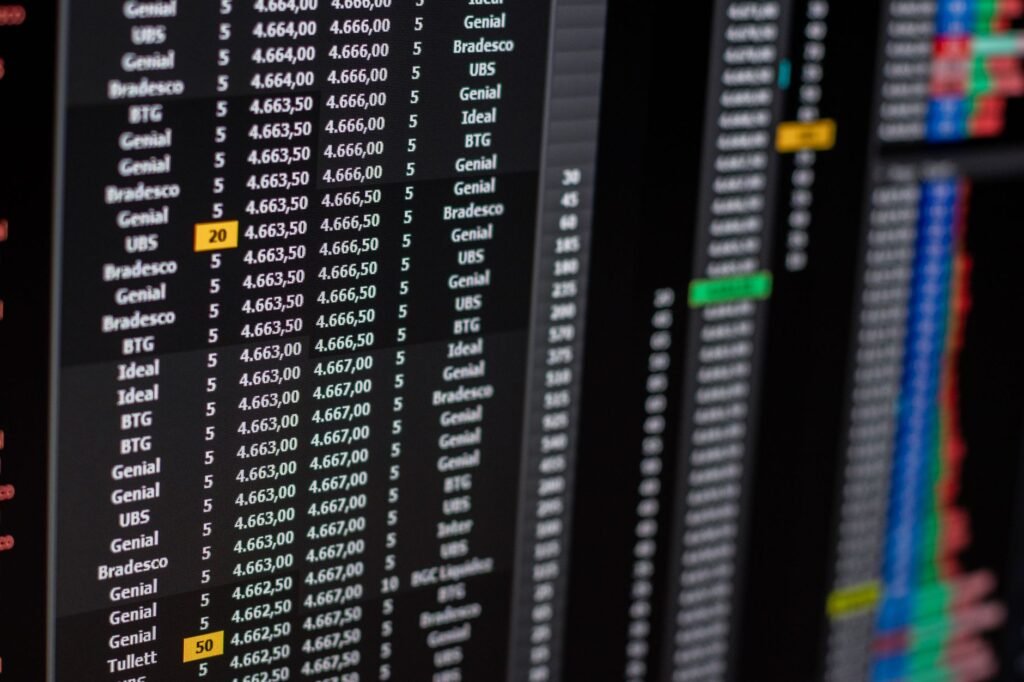

By 2026, machine learning (ML) has firmly established itself as an indispensable component of modern algorithmic trading, profoundly revolutionizing how strategies are developed, optimized, and executed in global financial markets. It primarily enhances these strategies through advanced pattern recognition capabilities, sophisticated predictive analytics, and dynamic adaptation to ever-changing market conditions. The integration of ML moves algorithmic trading beyond rigid, rule-based systems to adaptive, intelligent platforms capable of uncovering subtle market efficiencies and managing complex risks.
Introduction to Algorithmic Trading in 2026
Evolution of Algorithmic Trading
Algorithmic trading has been a transformative force in financial markets for decades, initially focusing on speed and the automation of relatively simple rule-based strategies like arbitrage or pair trading. Early algorithms executed trades based on predefined conditions, reacting predictably to market events. However, as markets became more complex, volatile, and saturated with data, the limitations of these static models became apparent. By 2026, the sheer volume, velocity, and variety of financial data, encompassing everything from traditional market feeds to alternative data sources like satellite imagery and social media sentiment, demand more sophisticated processing capabilities than traditional algorithms can offer.
The Need for ML Integration
Traditional algorithmic approaches often struggle with the non-linear, adaptive nature of financial markets. They may fail to identify intricate patterns, adapt quickly to regime changes, or optimize execution without constant human intervention. Machine learning addresses these challenges by enabling algorithms to learn from vast datasets, identify hidden correlations, and even evolve their strategies over time. This capability is particularly critical in the 2026 financial landscape, characterized by increased interconnectedness, rapid information dissemination, and the potential for swift market shifts, all of which necessitate highly responsive and intelligent trading systems.
Machine Learning Models in Action
Pattern Recognition and Prediction
One of the most significant contributions of machine learning to algorithmic trading is its capacity for advanced pattern recognition and prediction. ML algorithms, such as deep neural networks, random forests, and gradient boosting machines, can sift through enormous quantities of structured and unstructured data to detect intricate, often non-obvious patterns that human traders or simpler algorithms might miss. These patterns can range from subtle changes in market microstructure to correlations between seemingly unrelated macroeconomic indicators or news events. Predictive analytics powered by ML can then forecast short-term price movements, volatility spikes, or potential market turning points, providing a significant edge in strategy formulation.
Optimizing Execution Strategies
Beyond signal generation, ML models play a crucial role in optimizing trade execution. Placing large orders in the market can significantly impact prices (known as market impact or slippage). ML algorithms learn to dynamically adjust order placement, timing, and size to minimize these adverse effects. By analyzing real-time market depth, order book dynamics, liquidity conditions, and historical execution data, ML models can determine optimal execution paths. For instance, an algorithm might use reinforcement learning to learn the best way to slice a large order over time to achieve a volume-weighted average price (VWAP) target, adapting to market volatility and trading costs as they unfold.
Risk Management and Adaptation
Effective risk management and adaptation are paramount in trading, and ML greatly enhances these functions. Algorithms can monitor market risks in real-time, identifying anomalous activity that might signal potential market manipulation, system malfunctions, or the onset of a ‘flash crash’. Predictive risk models, often leveraging supervised learning, can assess potential drawdowns, tail risks, or the probability of exceeding predefined risk thresholds. Furthermore, ML-driven adaptive strategies can automatically adjust position sizing, modify stop-loss levels, or even temporarily halt trading during periods of extreme volatility or unprecedented market events, thereby protecting capital more dynamically than static risk rules.
Key ML Techniques and Their Applications
Supervised Learning for Market Prediction
Supervised learning algorithms are trained on historical data where the desired output is already known. In trading, this might involve feeding models past market data (features) along with corresponding future price movements or trend reversals (labels). Common applications include regression models to predict continuous values like future price changes, or classification models to predict categorical outcomes, such as whether an asset’s price will go ‘up’ or ‘down’ within a specified timeframe. These models often incorporate a diverse set of features, including historical prices, technical indicators, fundamental company data, and sentiment scores derived from news and social media.
Unsupervised Learning for Anomaly Detection
Unsupervised learning is employed when data lacks pre-labeled outputs, allowing algorithms to discover hidden structures or patterns. A key application in trading is anomaly detection. By identifying observations that deviate significantly from the norm, unsupervised learning models can flag unusual market behavior, potential data errors, or even early signs of market instability. Clustering algorithms, for instance, might group similar market states, allowing algorithms to identify when current conditions do not fit into any known cluster, thereby signaling a potentially unique or risky situation that warrants closer inspection.
Reinforcement Learning for Strategy Optimization
Reinforcement learning (RL) represents a cutting-edge application in algorithmic trading, where an ‘agent’ learns to make a sequence of decisions by interacting with a trading environment. The agent receives rewards for profitable actions and penalties for losses, gradually learning an optimal policy that maximizes cumulative reward over time. Unlike supervised learning, RL agents are not explicitly told the ‘right’ answer but discover it through trial and error, often in simulated environments. This technique is particularly powerful for complex strategy optimization, allowing algorithms to evolve and adapt to changing market dynamics without being explicitly programmed for every conceivable scenario, representing a step towards truly autonomous trading systems.
Challenges and Future Outlook
Data Quality and Explainability
Despite its immense power, machine learning in finance faces significant challenges. The principle of
Disclaimer: This article is provided for general informational and educational purposes only and does not constitute financial, investment, trading, or legal advice. Gainsium is not a registered investment advisor. Markets are volatile and past performance does not guarantee future results. Readers should conduct their own research and consult a licensed financial advisor before making any investment decisions.