
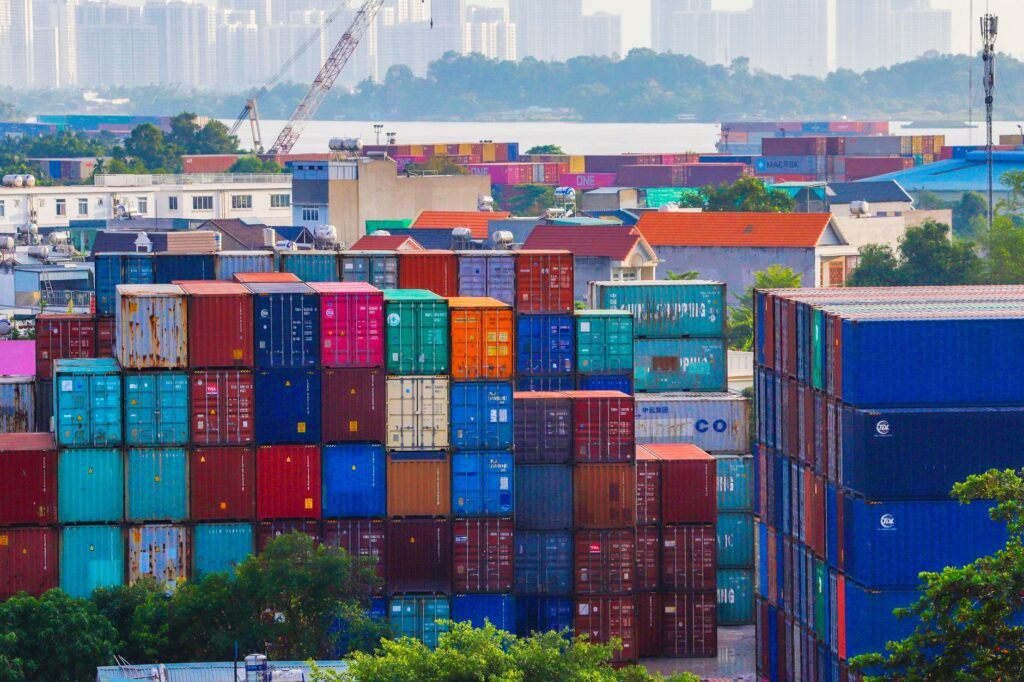

In 2026, global supply chains remain a critical, often underestimated, factor in driving market volatility. Their intricate web of production, logistics, and distribution profoundly influences everything from inflation and corporate earnings to investor sentiment. Understanding how disruptions and efficiencies within these chains can ripple through financial markets is essential for navigating the contemporary economic landscape.
Understanding Global Supply Chains and Their Vulnerabilities
Global supply chains are a complex network encompassing the entire journey of a product, from raw materials to the end consumer. This interconnectedness, while fostering efficiency and cost reduction over decades, also introduces significant vulnerabilities. The year 2026 continues to highlight several key areas of fragility that can contribute to market instability.
Geopolitical Tensions
Geopolitical developments are a perennial source of supply chain risk. Trade disputes, regional conflicts, and shifting international alliances can lead to tariffs, sanctions, and disruptions in shipping routes or critical resource access. As of 2026, ongoing global events demonstrate how swiftly such tensions can compel companies to reconsider their sourcing strategies, often leading to increased costs and reduced availability of goods, which in turn can pressure market sectors dependent on those goods.
Climate Change Impacts
The intensifying effects of climate change present tangible and increasing risks to global supply chains. Extreme weather events, such as severe droughts, floods, and storms, can cripple agricultural output, disrupt transportation infrastructure, and damage manufacturing facilities. These events can create sudden bottlenecks or shortages of vital components and raw materials, leading to price spikes and uncertainty across affected industries. Companies and investors are increasingly factoring climate resilience into their long-term strategies.
Technological Shifts and Cybersecurity Risks
While technological advancements like AI and automation enhance supply chain efficiency, they also introduce new vulnerabilities. Increased digitalization means a greater risk of cyberattacks that can halt operations, compromise data, and disrupt logistics systems. Furthermore, the rapid pace of technological innovation can render older production methods obsolete, forcing costly retooling and potentially creating labor market shifts that impact economic stability. Managing these technological transitions is a significant challenge for businesses globally.
Impact of Supply Chain Disruptions on Financial Markets
When global supply chains face disruptions, the effects are not confined to logistics; they cascade into financial markets, influencing various economic indicators and asset classes.
Inflationary Pressures
One of the most immediate and widely felt impacts of supply chain disruptions is inflationary pressure. When the supply of goods or components is constrained, and demand remains constant or increases, prices tend to rise. This can be due to higher shipping costs, increased raw material expenses, or shortages leading to competitive bidding. In 2026, central banks continue to monitor these supply-side inflation drivers closely, as persistent inflation can lead to tighter monetary policies, which can subsequently impact borrowing costs, corporate investments, and equity valuations.
Corporate Earnings and Valuations
Companies heavily reliant on global supply chains often see their profit margins squeezed during periods of disruption. Higher input costs, production delays, and inability to meet demand can directly translate into lower revenues and earnings. This uncertainty about future profitability can lead to downward revisions in corporate earnings forecasts, which typically translates to lower stock valuations and increased volatility in relevant sectors. Industries like manufacturing, automotive, and consumer electronics are particularly susceptible.
Sectoral Volatility and Interdependencies
Supply chain issues rarely affect all sectors equally. Some industries, due to their reliance on specific raw materials or just-in-time inventory systems, may experience heightened volatility. For example, a shortage of semiconductors can severely impact automotive, technology, and appliance manufacturers, while a disruption in agricultural supply might disproportionately affect food and beverage companies. Investors observe these interdependencies, recognizing that a problem in one part of the global economy can create domino effects across seemingly unrelated sectors.
Adaptation and Resilience in 2026
In response to recurring disruptions, businesses globally are actively seeking to build more resilient supply chains in 2026. These adaptive strategies have their own implications for market dynamics.
Reshoring, Nearshoring, and Friendshoring
A significant trend observed in 2026 is the strategic relocation of production facilities closer to end markets (reshoring or nearshoring) or to countries with stable geopolitical relationships (friendshoring). While these moves aim to reduce geopolitical and logistical risks, they often come with increased labor and production costs. This shift can impact the profitability of companies that previously relied heavily on lower-cost overseas production, but it may also create new investment opportunities in domestic manufacturing and logistics infrastructure.
Inventory Management Strategies
The traditional
Disclaimer: This article is provided for general informational and educational purposes only and does not constitute financial, investment, trading, or legal advice. Gainsium is not a registered investment advisor. Markets are volatile and past performance does not guarantee future results. Readers should conduct their own research and consult a licensed financial advisor before making any investment decisions.