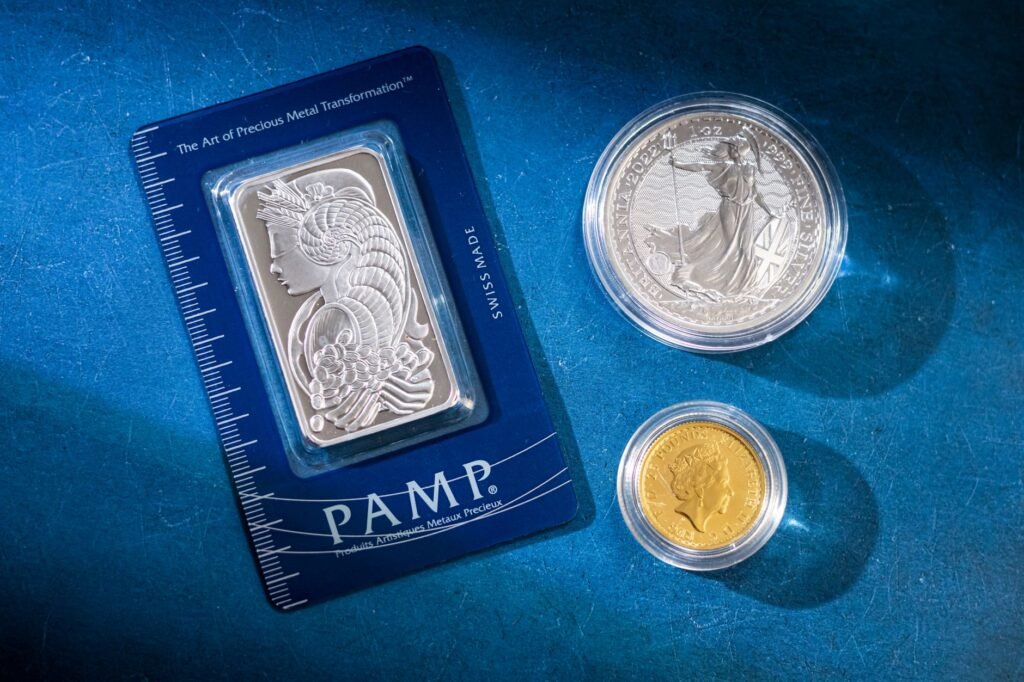

In 2026, as investors navigate a dynamic global economic landscape, the timeless appeal of precious metals like gold and silver continues to draw significant attention. Deciding which of these assets might be a more suitable addition to a portfolio hinges on understanding their distinct characteristics, historical behaviors, and market drivers. This article explores the differences between gold and silver as investment assets, highlighting their unique roles to help you align your choices with your investment objectives.
Historical Performance and Market Drivers
Gold’s Enduring Appeal
Gold has historically been revered as a store of value and a safe-haven asset, often sought after during periods of economic uncertainty, geopolitical instability, or inflationary pressures. Its relative scarcity, resistance to corrosion, and inherent value have cemented its status across millennia. In 2026, with ongoing global events and varying inflation outlooks in major economies, gold continues to demonstrate its traditional role as a portfolio stabilizer. Many investors consider gold a hedge against currency debasement and a reliable asset to preserve wealth during volatile market conditions. Its price movements are typically influenced by central bank gold reserves, global interest rates, the strength of the U.S. dollar, and overall investor sentiment towards risk.
Silver’s Dual Nature
Silver, often referred to as ‘poor man’s gold,’ possesses a unique dual identity: it is both a precious metal and an industrial commodity. This dual nature means that silver’s price is influenced not only by investment demand and its status as a monetary metal but also significantly by industrial demand. As of 2026, the global push towards decarbonization and technological advancement continues to drive demand for silver in sectors such as solar panels, electric vehicles (EVs), 5G technology, and medical applications. This industrial component can make silver’s price more volatile than gold’s, as it is more sensitive to economic growth cycles and manufacturing output. When the global economy is robust, industrial demand for silver tends to increase, potentially boosting its price. Conversely, an economic downturn could see industrial demand, and consequently silver prices, experience greater pressure.
Diversification Benefits and Risk Profiles
Inflation Hedge and Store of Value
Both gold and silver can serve as hedges against inflation, meaning they historically tend to retain or increase their purchasing power when fiat currencies decline. However, gold is often considered the more reliable and traditional inflation hedge. Its market is primarily driven by monetary and investment demand, making it less susceptible to the cyclical nature of industrial demand. Silver’s effectiveness as an inflation hedge can be somewhat mitigated by its industrial component; while it often performs well during inflationary periods, a simultaneous economic slowdown could temper its gains if industrial demand falters. For those prioritizing a pure store of value, gold typically holds a stronger historical track record.
Market Volatility and Safe Haven Status
Gold is widely regarded as the ultimate safe haven asset, often rallying when equity markets experience significant downturns or during times of heightened geopolitical risk. Its lower volatility compared to silver makes it an attractive asset for those seeking stability in their portfolio. Silver, while also having safe-haven characteristics, typically exhibits higher volatility. Its price swings can be more pronounced, offering potentially larger gains during bull markets but also experiencing steeper declines during bear markets. This increased volatility stems from its smaller market size compared to gold and its greater sensitivity to both investment flows and industrial consumption trends. Investors with a higher risk tolerance might find silver’s volatility appealing for its potential for greater price appreciation, while those prioritizing capital preservation may lean towards gold.
Practical Considerations for Investors
Accessibility and Liquidity
Both gold and silver are highly liquid assets, meaning they can be readily bought and sold. Investors have several avenues to gain exposure: physical metals (coins, bars), exchange-traded funds (ETFs) that track their prices, futures contracts, or shares in mining companies. The market for gold is generally larger and more liquid than that for silver, especially for larger transactions. Physical gold and silver can be purchased from reputable dealers, while ETFs offer an accessible way to invest without the complexities of physical storage. Understanding the various investment vehicles available can help investors choose the option that best suits their preferences for direct ownership, convenience, and cost.
Storage and Costs
Investing in physical gold or silver involves considerations around secure storage, which can include bank safe deposit boxes or specialized vaulting services. These options typically incur fees and require insurance. When buying physical metals, premiums over the spot price and potential assay costs are also factors. For investors choosing precious metal ETFs, management fees are a common consideration, though these vehicles eliminate the need for personal storage and insurance. It is important for investors to research and understand all associated costs before making an investment decision, as these can impact overall returns.
Considerations for Portfolio Allocation
The decision between gold and silver, or indeed a combination of both, ultimately depends on an investor’s individual financial goals, risk tolerance, and existing portfolio structure. Some investors consider gold for its long-term wealth preservation qualities and as a hedge against systemic risk. Others might integrate silver into their portfolio for its potential growth driven by industrial demand, accepting its higher volatility in pursuit of greater capital appreciation. A common approach involves using both metals to achieve diversified exposure to the precious metals sector, balancing gold’s stability with silver’s growth potential. As always, diversification remains a core principle of sound investing, and precious metals can play a role in a well-rounded portfolio. It is important to assess your own financial situation and investment objectives when making such allocation decisions.
In 2026, both gold and silver offer distinct advantages and disadvantages as investment assets. Gold provides a more traditional safe haven and store of value with lower volatility, while silver offers exposure to both monetary and industrial demand, potentially leading to higher volatility but also greater growth prospects. Your choice should align with your specific investment philosophy and desired portfolio characteristics.
Disclaimer: This article is provided for general informational and educational purposes only and does not constitute financial, investment, trading, or legal advice. Gainsium is not a registered investment advisor. Markets are volatile and past performance does not guarantee future results. Readers should conduct their own research and consult a licensed financial advisor before making any investment decisions.