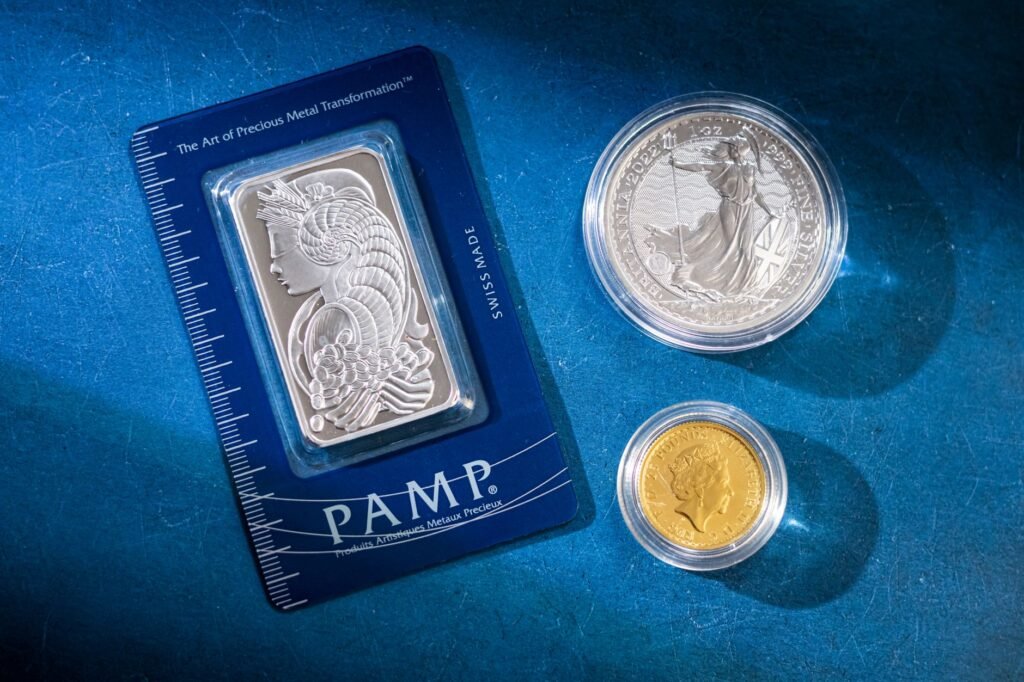

Deciding between gold and silver as an investment in 2026 involves understanding their distinct characteristics, market drivers, and potential roles within a diversified portfolio. While both are considered precious metals and serve as storehouses of value, their individual market dynamics often lead to different investment outcomes. This article will explore the unique attributes of gold and silver, analyzing their historical performance and the factors influencing their appeal to help investors consider their place in a portfolio for the current year.
The Allure of Precious Metals
Precious metals like gold and silver have captivated humanity for millennia, not just for their beauty but also for their intrinsic value and perceived stability. In the context of investment, they are often viewed as safe-haven assets, hedges against inflation, and diversifiers against traditional financial instruments like stocks and bonds.
Gold’s Traditional Role
Gold has historically been regarded as the ultimate safe haven. Its value is often seen as inversely correlated with the strength of the U.S. dollar and real interest rates. When economic uncertainty rises, geopolitical tensions escalate, or inflation concerns loom, gold often sees increased demand as investors seek to preserve capital. For 2026, with the global economy continuing to navigate periods of volatility and central banks adjusting monetary policies, gold’s role as a hedge against currency debasement and a store of value remains a significant consideration for many investors.
Silver’s Industrial and Investment Appeal
Silver, often called ‘poor man’s gold,’ shares some of gold’s safe-haven qualities but distinguishes itself with significant industrial demand. Approximately half of all silver mined is used in industrial applications, including electronics, solar panels, and medical equipment. This dual nature means silver’s price can be influenced not only by investment demand and economic uncertainty but also by the health of the global manufacturing sector and the adoption of new technologies. In 2026, the ongoing global push for renewable energy and electric vehicles could potentially bolster industrial demand for silver, creating an interesting dynamic for its price action.
Historical Performance and Market Drivers
Understanding how gold and silver have performed under various market conditions provides valuable context for their potential roles in a 2026 portfolio.
Gold’s Performance Context
Historically, gold has demonstrated its resilience during periods of economic downturns and high inflation. It tends to perform well when confidence in fiat currencies wanes or when real interest rates are low or negative. Its status as a universal currency, independent of any government or banking system, makes it attractive during times of geopolitical instability. In recent years leading up to 2026, persistent inflationary pressures and various international conflicts have often seen gold maintain its appeal as a traditional hedge, though its price movements are complex and influenced by many factors.
Silver’s Volatility and Industrial Demand
Silver’s price tends to be more volatile than gold’s. This is partly due to its smaller market size, making it more susceptible to supply and demand imbalances, and partly because of its significant industrial component. When manufacturing activity is robust, silver prices can rally, but during economic slowdowns, industrial demand can wane, impacting its value. However, this volatility can also present greater upside potential during economic recoveries or periods of strong industrial growth. Some market observers suggest that silver’s role in emerging technologies could provide long-term growth opportunities, although this outlook carries inherent market risks.
Considerations for a Diversified Portfolio in 2026
When considering gold and silver for an investment portfolio in 2026, it is helpful to look at current economic themes and their potential impact on these metals.
Inflationary Pressures and Interest Rates
A key theme in 2026 continues to be the interplay between inflation and central bank monetary policies. Should inflation remain elevated, both gold and silver could potentially benefit from their roles as inflation hedges. However, rising interest rates, implemented by central banks to combat inflation, can increase the opportunity cost of holding non-yielding assets like precious metals, potentially dampening their appeal. Investors often weigh these opposing forces when allocating to precious metals.
Technological Demand for Silver
The global transition to green energy solutions, such as solar power and electric vehicles, is a significant long-term driver for silver demand. Silver is a critical component in photovoltaic cells and various electronic parts found in EVs. The expansion of 5G technology and other high-tech sectors also relies on silver’s unique conductive properties. As these industries continue to grow in 2026 and beyond, the industrial demand side of silver’s equation could provide a foundational support for its price, distinguishing it further from gold’s primarily monetary role.
Geopolitical Landscape
Ongoing geopolitical uncertainties around the world also play a crucial role. In times of global unrest, gold typically benefits from its perceived safe-haven status, as investors flock to assets considered stable. Silver can also see some safe-haven demand, but its industrial ties mean it might be more exposed to global economic sentiment that can be negatively affected by such tensions. Both metals offer a degree of portfolio diversification against geopolitical risks, but their responses can differ based on the specific nature of the events.
Conclusion
Ultimately, there is no single
Disclaimer: This article is provided for general informational and educational purposes only and does not constitute financial, investment, trading, or legal advice. Gainsium is not a registered investment advisor. Markets are volatile and past performance does not guarantee future results. Readers should conduct their own research and consult a licensed financial advisor before making any investment decisions.