
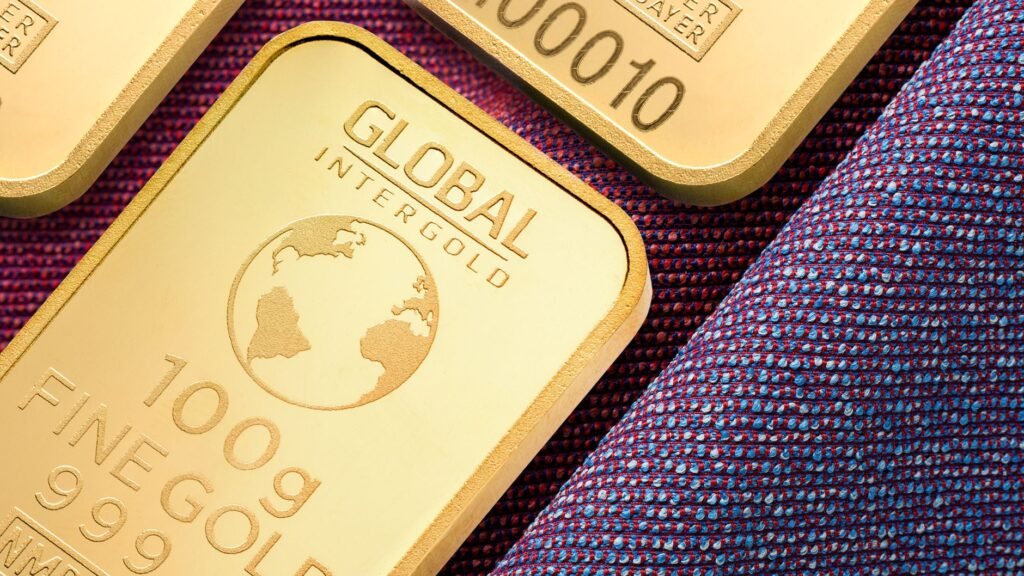

For investors considering precious metals in 2026, the choice between gold and silver often comes down to understanding their distinct market dynamics and roles within a diversified portfolio. While both are considered safe-haven assets and stores of value, their individual characteristics—from historical price movements and key market drivers to their industrial applications—can lead to different investment profiles. This article explores the fundamental distinctions between gold and silver to help investors discern which metal might align best with their objectives in the current economic landscape.
Historical Performance and Volatility Profiles
Historically, both gold and silver have served as hedges against inflation and economic uncertainty, but their price movements often diverge significantly. Gold is widely recognized as a primary store of value and a safe-haven asset, frequently exhibiting relatively lower volatility compared to its sister metal. Its appeal tends to strengthen during periods of geopolitical tension, currency devaluation, or equity market instability, as investors often flock to its perceived safety.
Silver, on the other hand, is often dubbed ‘gold on steroids’ due to its tendency to amplify gold’s price movements, both upwards and downwards. This higher volatility stems partly from its smaller market size and its dual role as both a monetary metal and a crucial industrial commodity. While it can offer greater capital appreciation during bull markets for precious metals, it also carries a commensurately higher risk of sharper declines during downturns.
Understanding Market Drivers
The factors influencing the prices of gold and silver share some commonalities but also possess crucial differences that shape their investment characteristics.
Gold’s Key Market Drivers
-
Safe-Haven Demand: Gold’s role as a traditional safe haven remains paramount. During times of economic or political uncertainty, a flight to quality often translates into increased demand for gold.
-
Inflation Hedge: Many investors view gold as a long-term hedge against inflation, holding its value when fiat currencies lose purchasing power.
-
Central Bank Activity: Central banks globally are significant players in the gold market, with their buying or selling activities often influencing demand and sentiment. In recent years, several central banks have continued to be net buyers, reinforcing gold’s appeal as a reserve asset.
-
Interest Rates and Monetary Policy: Gold, being a non-yielding asset, typically performs better in environments of lower real interest rates. Higher interest rates can increase the opportunity cost of holding gold, making interest-bearing assets more attractive.
Silver’s Key Market Drivers
-
Industrial Demand: A substantial portion of global silver demand comes from industrial applications. Industries such as electronics, photovoltaics (solar panels), and electric vehicle manufacturing rely heavily on silver’s excellent electrical and thermal conductivity. In 2026, the ongoing global push for renewable energy and technological advancement continues to underpin this industrial demand.
-
Investment Demand: Similar to gold, silver attracts investment demand as a store of value. However, this demand often reacts more dynamically to short-term market sentiment and economic forecasts for industrial growth.
-
Supply Dynamics: A significant portion of silver supply is a byproduct of mining other metals like copper, lead, and zinc. This means silver production can be less responsive to silver price changes alone, making its supply side potentially less elastic.
Supply, Demand, and Market Structure
The underlying supply and demand dynamics for each metal contribute to their unique market structures. Gold’s market is characterized by substantial above-ground stocks, with new mine supply forming a relatively small portion of the total available gold. This contributes to its stability and its role as a long-term store of value.
Silver’s market, in contrast, is smaller and often more volatile due to its higher industrial consumption. A considerable amount of silver is consumed and not readily recyclable, particularly in certain technological applications. This means that shifts in industrial demand can have a more pronounced effect on silver prices than similar shifts in jewelry or investment demand might have on gold.
Role in a Diversified Portfolio
When considering gold versus silver for portfolio diversification in 2026, their distinct characteristics suggest different strategic roles.
Gold’s Role in a Portfolio
-
Wealth Preservation: Gold is primarily considered for its ability to preserve wealth over the long term, acting as a hedge against inflation and economic instability.
-
Portfolio Diversification: Due to its historically low correlation with traditional assets like stocks and bonds, gold can serve as a valuable diversifier, potentially reducing overall portfolio volatility during market downturns.
-
Crisis Hedge: For investors seeking a robust hedge against systemic risks or extreme market events, gold often remains a preferred choice.
Silver’s Role in a Portfolio
-
Growth Potential: With its significant industrial demand, silver offers exposure to global economic growth, particularly in sectors driving technological innovation and green energy. Some investors might consider silver for its potential for greater capital appreciation during economic expansions.
-
Monetary Appeal with Industrial Upside: Silver retains its monetary characteristics but provides an added dimension of industrial utility, which can appeal to those looking for a blend of safe-haven properties and commodity-driven growth.
-
Higher Risk/Reward Profile: Its higher volatility means silver may be considered by investors with a greater risk tolerance who are seeking potentially higher returns, accepting the associated increased risk.
Key Considerations for Precious Metal Investors in 2026
As 2026 progresses, investors evaluating gold and silver should consider their individual investment objectives, risk tolerance, and time horizon. Gold typically serves as a foundational component for wealth preservation and as a defensive asset against economic uncertainty. Its stability and strong safe-haven characteristics make it attractive for those prioritizing capital protection.
Silver, while sharing some safe-haven qualities, offers a more dynamic profile, heavily influenced by industrial demand trends and exhibiting higher volatility. For investors seeking exposure to the growth trajectories of emerging technologies and renewable energy, alongside precious metal attributes, silver might present an interesting opportunity.
Ultimately, the decision between gold and silver, or even including both, hinges on an investor’s overall portfolio strategy. Some investors might choose a blend, using gold for stability and silver for its growth potential and higher beta. Understanding these key differences is crucial for making informed decisions regarding precious metal allocations in 2026.
Disclaimer: This article is provided for general informational and educational purposes only and does not constitute financial, investment, trading, or legal advice. Gainsium is not a registered investment advisor. Markets are volatile and past performance does not guarantee future results. Readers should conduct their own research and consult a licensed financial advisor before making any investment decisions.