
As we navigate the complexities of 2026, one question looms large for investors: how do we protect our wealth from the relentless erosion of inflation? While various assets vie for the title of ‘safe haven,’ gold continues to stand out as a beacon of stability and a formidable hedge against rising prices. At Gainsium, we believe understanding gold’s timeless appeal, especially in the current economic climate, is crucial for savvy investors.
With global inflation proving stickier than many economists initially predicted, and central banks grappling with the delicate balance between price stability and economic growth, the yellow metal’s role has become more critical than ever. Let’s delve into why gold isn’t just a historical curiosity, but arguably the best hedge against inflation for your portfolio in 2026.
Historical Resilience: Gold’s Track Record Against Inflation
Gold’s reputation as an inflation hedge isn’t mere conjecture; it’s deeply rooted in centuries of economic history. Unlike fiat currencies, which can be printed in unlimited quantities, gold’s supply is finite, making it an intrinsic store of value. When the purchasing power of currencies declines due to inflation, the value of a fixed asset like gold tends to rise to compensate.
Key Historical Examples:
- The 1970s: This decade is perhaps the most famous example. As the U.S. grappled with double-digit inflation following the Nixon shock and oil crises, gold prices surged from around $35 an ounce in 1971 to over $800 by 1980, showcasing its exceptional ability to preserve wealth during hyperinflationary periods.
- Post-2008 Financial Crisis: Following the global financial crisis and subsequent quantitative easing programs, fears of inflation mounted. Gold climbed steadily from under $800 in 2008 to an all-time high of over $1,900 by 2011, reflecting its safe-haven appeal amidst monetary expansion.
- The Post-Pandemic Era (2020-2025): The unprecedented fiscal and monetary stimulus injected into global economies during and after the COVID-19 pandemic led to a significant inflationary spike. Gold consistently held its value, and indeed, reached new nominal highs, affirming its role as a hedge against rising living costs. While real interest rates intermittently pushed gold lower, its underlying strength against sustained inflation has been evident.
These historical precedents demonstrate that gold acts as a reliable inflation shield, especially during periods of high economic uncertainty and currency debasement. It serves as a tangible asset that retains value when paper money loses its purchasing power.
2026 Outlook: Why Gold Shines Bright
Entering 2026, the global economic landscape remains fraught with challenges that bolster gold’s appeal. Persistent inflationary pressures, geopolitical instability, and an evolving monetary policy environment all converge to create a compelling case for gold.
Persistent Inflationary Headwinds
Many economists anticipated a swift return to pre-pandemic inflation levels, but 2026 has shown that several structural factors continue to fuel price increases:
- Supply Chain Realignment: Ongoing efforts to reshore manufacturing and diversify supply chains, while beneficial for long-term resilience, contribute to higher production costs in the short to medium term.
- Energy Transition Costs: The global push towards decarbonization involves massive investments and, at times, volatile energy prices, which feed into broader inflation.
- Wage-Price Spiral Concerns: In many developed economies, tight labor markets are sustaining wage growth, which, while beneficial for workers, can create a feedback loop pushing prices higher.
- Fiscal Spending: Governments globally continue to undertake significant infrastructure and social spending programs, adding to aggregate demand and potential inflationary pressures.
With major central banks like the Federal Reserve, ECB, and Bank of England still struggling to bring inflation back to their 2% targets consistently, the need for inflation protection in 2026 is undeniable. Gold offers a reliable refuge when the value of money is being eroded.
Key Drivers: Fundamentals & Technicals for Gold in 2026
Several fundamental and technical factors are aligning to support gold’s position as a premier inflation hedge in 2026.
Fundamental Factors:
- Real Interest Rates: Perhaps the most critical driver. When real interest rates (nominal interest rates minus inflation) are low or negative, gold, which offers no yield, becomes more attractive compared to yield-bearing assets. In 2026, even if nominal rates are elevated, persistent inflation often keeps real rates suppressed, creating a favorable environment for gold.
- U.S. Dollar Index (DXY): Gold and the U.S. dollar typically share an inverse relationship. As the dollar weakens against a basket of major currencies, gold becomes cheaper for international buyers, boosting demand. While the dollar showed strength in the early 2020s, a potential moderation in Fed hawkishness relative to other central banks, or persistent U.S. fiscal deficits, could see the DXY soften in 2026, providing a tailwind for gold.
- Central Bank Buying: Central banks globally have been net buyers of gold for over a decade, with record purchases continuing into 2026. This trend reflects a strategic move towards diversification away from fiat currencies and increasing geopolitical uncertainty. This sustained institutional demand provides a strong underlying bid for gold prices.
- Geopolitical Uncertainty: Heightened global tensions, regional conflicts, and political instability consistently drive safe-haven demand for gold. The geopolitical landscape in 2026 suggests this factor will remain a significant support for prices.
Technical Analysis & Key Price Levels for 2026:
Technically, gold has demonstrated remarkable resilience and a clear upward trajectory. After decisively breaching the $2,000 psychological barrier in previous years, gold has solidified its position. In early 2026, we see gold trading firmly above the $2,300 mark, having tested and consolidated around its previous all-time highs. Key observations:
- Strong Support: Gold has established robust support around the $2,250 – $2,300 range, indicating a solid foundation for further gains.
- Next Resistance Targets: The immediate upside target for gold in 2026 appears to be the $2,500 – $2,600 region. A sustained break above this level could open the path towards $2,800 or even $3,000 later in the year, particularly if inflation persists and real rates remain subdued.
- Bullish Trend: The long-term moving averages remain firmly in a bullish configuration, suggesting that dips are likely to be bought as investors seek inflation protection and portfolio diversification.
The combination of strong fundamental drivers and a supportive technical picture paints a very optimistic outlook for gold as an inflation hedge in 2026.
Practical Considerations for Investors
While gold offers significant benefits, incorporating it into your portfolio requires a thoughtful approach. Here’s some actionable advice for investors in 2026:
How to Invest in Gold for Inflation Protection:
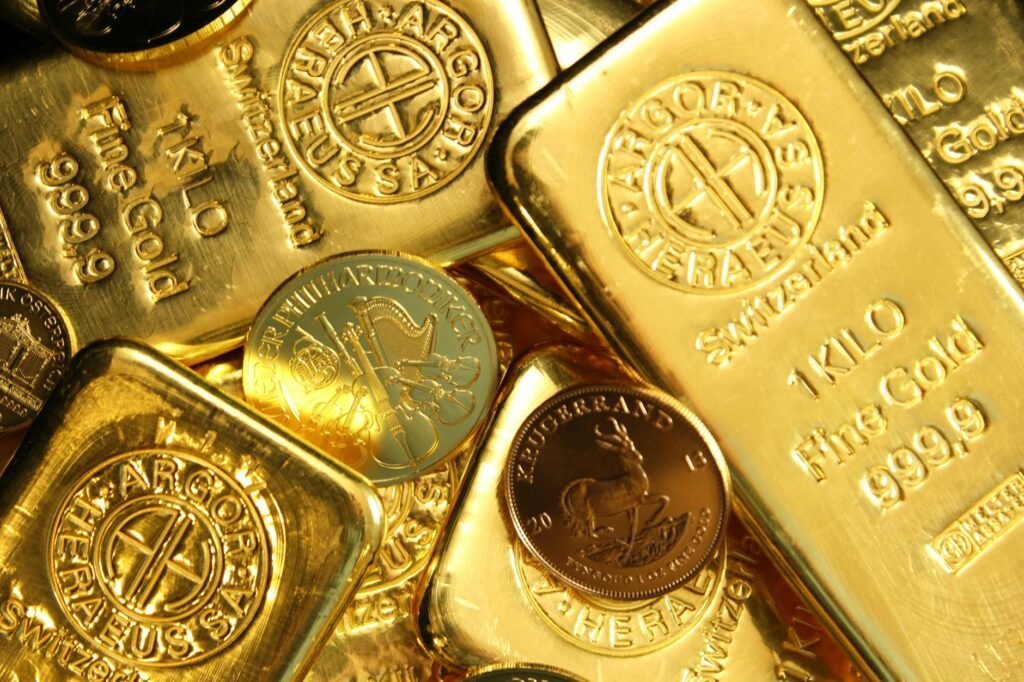
- Physical Gold: Owning gold bullion (coins or bars) provides direct exposure and removes counterparty risk. Ensure secure storage.
- Gold ETFs/ETCs: Exchange-Traded Funds or Commodities that track the price of gold (e.g., SPDR Gold Shares GLD) offer liquidity and ease of trading without the complexities of physical storage.
- Gold Mining Stocks: Investing in companies that mine gold can offer leverage to gold prices, but also carry additional risks associated with specific company performance, management, and operational challenges.
- Gold Futures: For more sophisticated investors, futures contracts offer leveraged exposure but come with higher risk and require active management.
Tips for Maximizing Gold’s Role in Your Portfolio:
- Diversification is Key: Gold should be a component of a well-diversified portfolio, typically 5-15%, depending on your risk tolerance and outlook. It acts as an insurance policy, not the sole investment.
- Long-Term Perspective: Gold’s effectiveness as an inflation hedge is best realized over the long term. Avoid short-term speculation.
- Dollar-Cost Averaging: Consider investing a fixed amount regularly to smooth out price fluctuations and mitigate timing risk.
- Monitor Real Interest Rates: Keep an eye on inflation rates relative to bond yields. This dynamic is a primary indicator of gold’s attractiveness.
Conclusion
In 2026, as global economies continue to grapple with persistent inflation, geopolitical tensions, and evolving monetary policies, gold’s role as a reliable hedge is more pronounced than ever. Its historical performance during inflationary periods, coupled with compelling fundamental tailwinds from real interest rates, central bank buying, and a supportive technical outlook, solidifies its position. For investors seeking to preserve purchasing power and safeguard their wealth against uncertainty, including a strategic allocation to gold is not just prudent; it’s an imperative. Gold isn’t merely a relic of the past; it’s a vital component of a resilient portfolio for the future.