
In a world constantly reshaped by economic shifts, technological advancements, and geopolitical dynamics, certain assets stand the test of time. Gold, the lustrous precious metal, has consistently served as a beacon of stability, a hedge against uncertainty, and a store of value across millennia. As we navigate 2026, a year characterized by a dynamic global economic landscape, understanding gold’s role and how to invest in it is more crucial than ever. For beginners looking to diversify their portfolio and embrace gold’s enduring appeal, this comprehensive guide from Gainsium will demystify the process, offering actionable insights tailored for the current year.
Why Gold in 2026? Unpacking the Drivers
The year 2026 presents a compelling backdrop for gold investment. Lingering inflationary pressures from the post-pandemic recovery and supply chain reconfigurations continue to be a concern, making gold a potent inflation hedge. While some central banks, like the Federal Reserve, initiated easing cycles in late 2025, the pace and extent of these cuts remain uncertain, often leading investors to non-yielding assets like gold.
Global Economic Landscape & Geopolitical Tensions
The global economy in 2026 is expected to see moderate growth, but with continued regional disparities and geopolitical flashpoints. Persistent conflicts and trade disputes fuel a ‘flight to safety’ sentiment, where investors seek refuge in traditional safe-haven assets. Furthermore, the ongoing trend of central bank gold accumulation, particularly from emerging economies, underscores a strategic shift towards diversifying reserves away from fiat currencies, providing a robust floor for gold prices.
Interest Rates & Dollar Dynamics
While interest rates may have peaked, their trajectory in 2026 is critical. A plateau or gradual decline in real interest rates (nominal rates minus inflation) typically makes gold, which offers no yield, more attractive relative to bonds. The strength of the U.S. Dollar also plays a significant role; a weaker dollar often translates to higher gold prices, as gold becomes cheaper for international buyers. Analysts are projecting a potential consolidation of gold prices at elevated levels, with upside potential influenced by these macroeconomic factors.
Your Gold Investment Avenues in 2026
For beginners, investing in gold can seem complex due to the variety of options. Here’s a breakdown of the most common avenues:
Physical Gold: The Tangible Touch
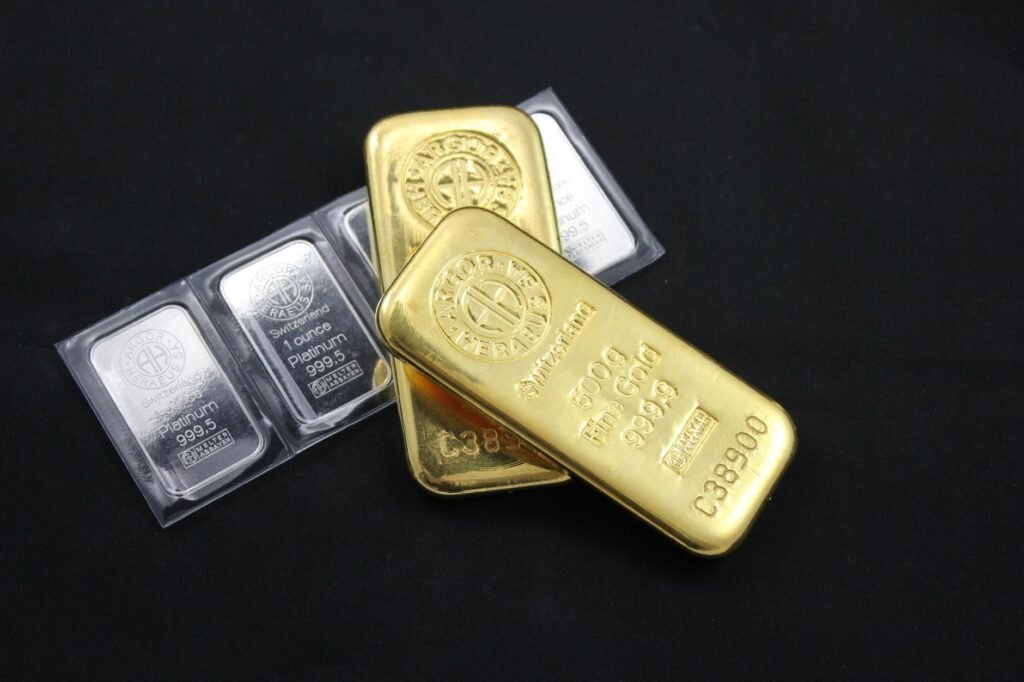
Investing in physical gold means holding the actual metal in the form of coins, bars, or even certain types of gold jewelry. This is the most direct way to own gold and appeals to those who value tangible assets as the ultimate hedge against systemic risk.
- Pros: Direct ownership, no counterparty risk, can be held outside the financial system, strong emotional and historical value.
- Cons: Storage costs (safe deposit box, home safe), insurance, lower liquidity compared to paper assets, potential for higher premiums over spot price, and concerns about authenticity.
- 2026 Relevance: Remains a foundational choice for those prioritizing long-term wealth preservation and absolute security. Actionable Advice: Always buy from reputable dealers, verify purity, and ensure secure, insured storage.
Gold ETFs (Exchange-Traded Funds): Accessibility & Liquidity
Gold ETFs are funds that typically hold physical gold on behalf of investors, with shares traded on major stock exchanges. They offer an accessible way to gain exposure to gold prices without the hassles of physical storage and insurance.
- Pros: Easy to buy and sell, high liquidity, lower storage and insurance costs (as these are handled by the fund), allows for portfolio diversification with small amounts.
- Cons: You don’t own the physical gold directly (you own shares in a trust that holds gold), management fees (expense ratio), potential for tracking error.
- 2026 Relevance: Ideal for beginners seeking convenient, liquid exposure to gold. Popular choices include SPDR Gold Shares (GLD) and iShares Gold Trust (IAU). Actionable Advice: Compare expense ratios and fund structure; some ETFs use futures contracts rather than physical gold.
Gold Mining Stocks: Leveraged Exposure
Investing in gold mining companies means buying shares of publicly traded companies involved in the exploration, extraction, and processing of gold. These stocks can offer leveraged exposure to gold prices, meaning their value can rise (or fall) more sharply than the price of gold itself.
- Pros: Potential for significant capital appreciation, dividends from profitable companies, benefit from operational efficiencies and new discoveries, some diversification from pure gold price movements.
- Cons: Company-specific risks (management, production issues, geopolitical risks in mining regions, environmental regulations, debt levels), not a pure play on gold (performance depends on more than just gold prices).
- 2026 Relevance: With gold prices projected to remain strong, profitable miners could see enhanced earnings. Actionable Advice: Research individual companies for strong balance sheets, good management, and sustainable mining practices, or consider an ETF that tracks a basket of gold miners (e.g., GDX).
Gold Futures & Options: Advanced Strategies
Gold futures are standardized, exchange-traded contracts that obligate the buyer to purchase, and the seller to sell, a specified quantity of gold at a predetermined price on a future date. Options on futures give the holder the right, but not the obligation, to buy or sell a futures contract at a specific price.
- Pros: High leverage (can control a large amount of gold with a relatively small capital outlay), hedging capabilities, excellent liquidity for active traders.
- Cons: Extremely high risk, margin calls (requiring additional capital), complex instruments, significant learning curve. Not suitable for beginners.
- 2026 Relevance: Primarily for experienced traders, institutions, and those looking to hedge existing gold positions. Actionable Advice: Beginners should unequivocally avoid gold futures and options. These instruments can lead to rapid and substantial losses if not managed expertly.
Crafting Your Gold Strategy for 2026
No investment is one-size-fits-all. Your gold strategy should align with your personal financial goals and risk tolerance.
Assess Your Goals & Risk Tolerance
Are you looking for a long-term hedge against inflation and market volatility, or are you hoping for short-term speculative gains? Gold is typically seen as a long-term asset, best used for portfolio diversification, often constituting 5-15% of an investor’s total assets. Understand that gold, like any asset, can experience price fluctuations.
Dollar-Cost Averaging
Especially in a potentially volatile 2026 market, adopting a dollar-cost averaging strategy can be highly effective. This involves investing a fixed amount of money into gold (e.g., via an ETF or physical purchases) at regular intervals, regardless of the price. This approach reduces the risk of timing the market and can lead to a lower average purchase price over time.
Stay Informed, Stay Patient
The gold market is influenced by a myriad of factors. Keep an eye on global economic reports, central bank policy announcements, and geopolitical developments. However, avoid making impulsive decisions based on short-term news. Gold’s true value often shines through during extended periods of uncertainty, rewarding patient investors.
Key Considerations for 2026 Gold Investors:
- Inflationary Pressures: Monitor Consumer Price Index (CPI) and Producer Price Index (PPI) data globally.
- Interest Rate Decisions: Watch for announcements from major central banks (Federal Reserve, ECB, Bank of England) regarding monetary policy.
- Geopolitical Stability: Stay aware of global conflicts, trade tensions, and political developments that could trigger safe-haven demand.
- USD Strength: Observe the U.S. Dollar Index (DXY) as it often has an inverse relationship with gold.
- Mining Sector Health: Track reports on gold production, discovery rates, and M&A activity within the mining industry.
Conclusion
Gold’s role as a reliable asset in times of economic flux and geopolitical uncertainty remains as pertinent in 2026 as it has been for centuries. Whether through the tangible security of physical bullion, the accessibility of ETFs, or the leveraged potential of mining stocks, there’s an investment avenue for every beginner. While the advanced world of futures is best left to seasoned professionals, the other options provide excellent opportunities to integrate this timeless asset into a resilient portfolio. By understanding the drivers, choosing the right investment vehicle, and maintaining a long-term perspective, you can confidently navigate the gold market in 2026 and beyond. Start your research today and build a smarter portfolio with Gainsium.