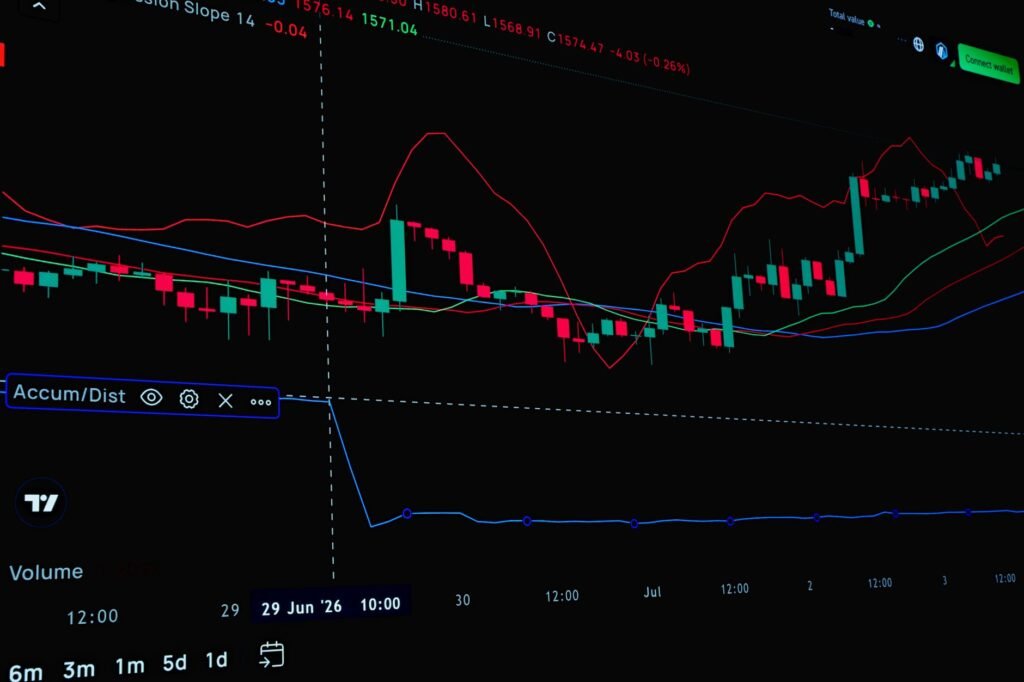

In 2026, as investors continue to seek avenues for diversification and inflation protection, gold remains a prominent asset in many portfolios. For those looking to gain exposure to the precious metal, two popular and distinct investment vehicles stand out: gold futures contracts and gold exchange-traded funds (ETFs). Understanding the fundamental differences, benefits, and risks of each is crucial for aligning your investment strategy with your financial goals.
This article will delve into the characteristics of both gold futures and gold ETFs, providing a comprehensive comparison to help investors navigate their choices in the current market landscape.
Understanding Gold Futures Contracts
Gold futures contracts are standardized, legally binding agreements to buy or sell a specified quantity of gold at a predetermined price on a future date. Traded on regulated exchanges, these contracts do not involve the immediate exchange of the physical commodity but rather an agreement for a future transaction.
Characteristics of Gold Futures
- Leverage: Futures contracts are traded on margin, meaning investors only need to put up a fraction of the contract’s total value. This inherent leverage can amplify both potential gains and losses.
- Expiration Dates: Each futures contract has a specific expiry date. Traders must either close their position before expiration or roll it over into a new contract, which incurs additional costs.
- Direct Price Exposure: Futures offer direct exposure to the price movements of gold, often considered pure play as they track the underlying commodity’s spot price closely.
- Centralized Trading: Futures are traded on regulated exchanges like the COMEX, ensuring transparency and liquidity.
Benefits of Gold Futures
- High Liquidity: Gold futures markets are typically very liquid, allowing large positions to be opened or closed efficiently.
- Potential for Short Selling: Investors can easily take a short position, profiting if gold prices decline.
- Hedging Tool: For producers or large consumers of gold, futures can be an effective tool for hedging against adverse price movements.
- Capital Efficiency: The leverage inherent in futures means investors can control a large amount of gold with a relatively smaller capital outlay.
Risks of Gold Futures
- Significant Leverage Risk: While leverage can magnify gains, it equally magnifies losses. A small adverse price movement can result in substantial losses, potentially exceeding the initial margin deposit.
- Margin Calls: If the market moves against a position, investors may receive a margin call, requiring them to deposit additional funds to maintain the position. Failure to meet a margin call can lead to forced liquidation.
- Complexity: Futures trading requires a deep understanding of market dynamics, technical analysis, and risk management strategies. It is generally not suitable for novice investors.
- Rollover Costs: Constantly rolling over expiring contracts can incur transaction costs and potentially negative
Disclaimer: This article is provided for general informational and educational purposes only and does not constitute financial, investment, trading, or legal advice. Gainsium is not a registered investment advisor. Markets are volatile and past performance does not guarantee future results. Readers should conduct their own research and consult a licensed financial advisor before making any investment decisions.