
In an investment landscape perpetually reshaped by global events, economic shifts, and technological advancements, the fundamental principle of portfolio diversification remains paramount. As we navigate 2026, investors are increasingly looking beyond traditional assets to safeguard and grow their wealth. Amidst this quest for stability and potential upside, gold and other precious metals like silver and platinum are re-emerging as crucial components of a well-balanced portfolio. This guide from Gainsium will explore the compelling reasons, current trends, and actionable strategies for integrating these timeless assets into your investment plan for 2026.
The Enduring Appeal of Precious Metals in 2026
The year 2026 presents a unique economic tableau characterized by lingering inflationary pressures, geopolitical uncertainties, and evolving monetary policies. In such an environment, the historical role of precious metals as a hedge against volatility and a store of value becomes even more pronounced.
A Storied History of Resilience
For millennia, gold has been revered as a universal currency and a symbol of wealth. Its appeal stems from its finite supply, intrinsic value, and lack of counterparty risk. Unlike fiat currencies or corporate stocks, gold’s value isn’t tied to the solvency of a government or the profitability of a company. This makes it an ideal safe-haven asset during times of economic turmoil or market downturns. Silver, often dubbed ‘poor man’s gold,’ shares many of these characteristics while also benefiting from significant industrial demand. Platinum, scarcer than gold, offers both investment appeal and critical industrial applications, particularly in burgeoning green technologies.
Why Gold Matters in 2026
As we observe the mid-2020s, the global economy continues its complex recovery and recalibration. High government debts, persistent supply chain issues, and shifting geopolitical alliances all contribute to an atmosphere ripe for uncertainty. In 2026, prudent investors are seeking assets that can weather potential storms and offer portfolio stability. Gold, with its proven track record as a crisis commodity and an inflation hedge, stands out as a prime candidate. It acts as an insurance policy, potentially offsetting losses in other asset classes like equities or bonds during periods of stress.
Fundamental Drivers for Gold & Precious Metals in 2026
Several key fundamental factors are expected to drive the performance of gold and other precious metals throughout 2026.
Inflationary Pressures
While central banks globally have aggressively battled inflation in previous years, 2026 sees many economies contending with ‘sticky’ inflation that refuses to return to pre-pandemic targets. Continued fiscal spending, wage growth, and energy price volatility could keep inflation rates elevated in major economies, perhaps hovering between 3-4% for core CPI. This persistent erosion of purchasing power makes hard assets like gold incredibly attractive, as investors seek refuge from depreciating fiat currencies.
The U.S. Dollar’s Trajectory
The U.S. Dollar Index (DXY) remains a significant factor for gold prices. A weakening dollar typically makes gold, which is priced in dollars, cheaper for international buyers, thus increasing demand and price. In 2026, should the Federal Reserve indicate a more dovish stance or if other major economies (e.g., Eurozone, China) show stronger relative growth, we could see a moderate depreciation in the dollar. Conversely, unexpected strength could cap gold’s upside. Current projections lean towards a more balanced, potentially softening dollar environment, which would be broadly supportive of gold.
Central Bank Gold Accumulation
A significant trend observable in 2026 is the continued, robust gold buying by central banks, particularly from emerging markets. Nations are increasingly diversifying their foreign reserves away from reliance on the U.S. dollar, seeking geopolitical independence and portfolio stability. Data from the World Gold Council consistently shows strong central bank demand, which provides a solid demand floor for the precious metal and signals confidence in its long-term value.
Technical Outlook & Key Price Levels for 2026
From a technical perspective, precious metals are showing bullish consolidation after a period of significant gains. Understanding key price levels can help investors gauge potential entry and exit points.
Gold Price Forecast 2026
Having established strong support in the preceding years, gold prices entered 2026 trading comfortably above the $2,300 per ounce mark, after breaching previous all-time highs. Technical analysis suggests that if gold can maintain support around $2,380-$2,400, it has the potential to test new resistance levels. A clear break above $2,520-$2,550 could pave the way for a move towards $2,650-$2,700 by late 2026, especially if inflationary pressures persist and geopolitical risks escalate. However, a break below $2,300 could signal a retest of $2,250 support, though this appears less likely given current fundamentals.
Silver & Platinum: The Industrial Cousins
Silver, with its dual role as a monetary metal and an industrial commodity, often exhibits higher volatility than gold. In 2026, strong demand from solar panel manufacturing, electric vehicles, and 5G technology is providing a powerful tailwind. Silver is currently trading around $30-$32 per ounce. A sustained move above $33 could target the $35-$38 range, with potential to push towards $40 if gold performs strongly and industrial demand remains robust.
Platinum, benefiting from its use in catalytic converters and the emerging hydrogen economy, is also poised for a potentially strong 2026. Trading around $1,050-$1,100 per ounce, a breakout above $1,150 could see it target $1,250-$1,300, particularly if supply from South Africa faces disruptions or industrial demand for green technologies surges beyond expectations.
Actionable Strategies: Diversifying with Precious Metals
Adding precious metals to your portfolio in 2026 involves more than just buying an asset; it requires strategic consideration.
How to Invest: Physical vs. Digital
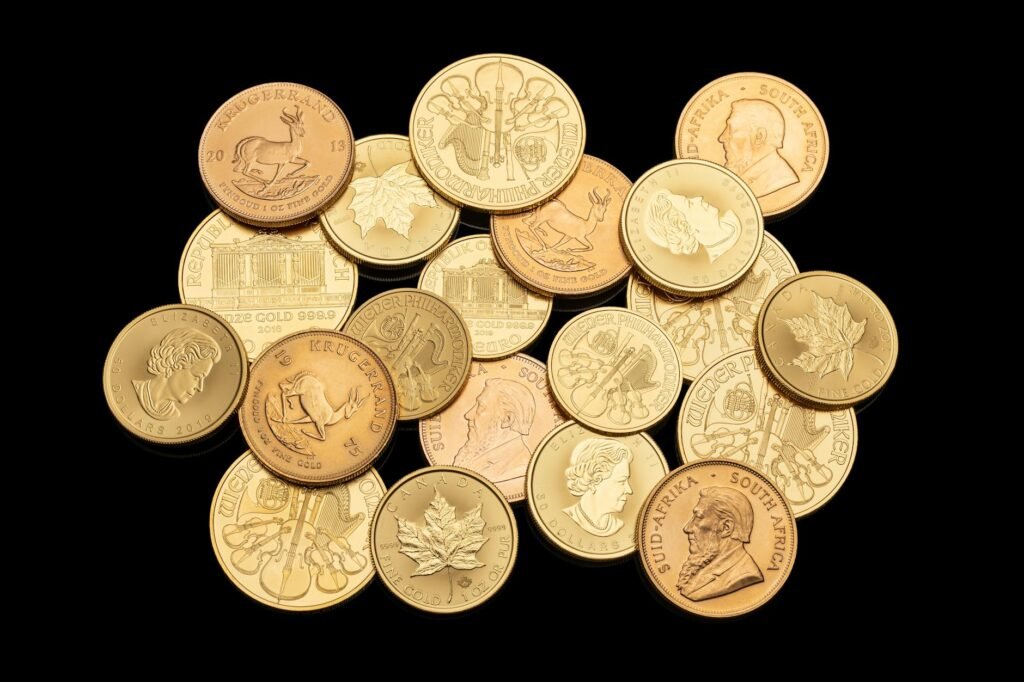
- Physical Metals: For direct ownership, you can purchase gold, silver, or platinum coins and bars from reputable dealers. This offers true decentralization but comes with storage and insurance costs.
- ETFs & ETNs: Exchange Traded Funds (ETFs) like GLD (for gold) or SLV (for silver) allow investors to gain exposure to precious metal prices without owning the physical asset directly. These are highly liquid and cost-effective.
- Mining Stocks: Investing in companies that mine precious metals (e.g., Barrick Gold, Newmont) offers leverage to metal prices, but also carries company-specific risks.
- Digital Gold & Tokenized Assets: Newer options include buying gold-backed digital tokens or utilizing platforms that allow for fractional ownership of physical gold, often with lower barriers to entry.
Portfolio Allocation & Best Practices
Diversification is key. Precious metals should complement, not replace, your core portfolio holdings. Here are some actionable tips for 2026:
- Allocate Modestly: A typical allocation for precious metals in a diversified portfolio ranges from 5% to 15%, depending on your risk tolerance and outlook. For conservative investors or those highly concerned about inflation, a higher allocation might be considered.
- Long-Term Horizon: View precious metals as a long-term hedge and a store of value, rather than a short-term speculative trade.
- Dollar-Cost Averaging: Consider investing a fixed amount regularly, regardless of price fluctuations. This strategy can reduce risk and smooth out your average purchase price over time.
- Monitor Fundamentals: Keep an eye on inflation reports, central bank policies, geopolitical developments, and the U.S. dollar’s strength, as these will continue to influence metal prices.
- Consider All Three: While gold is the primary choice, don’t overlook silver and platinum. Silver offers higher beta and industrial upside, while platinum provides unique diversification benefits and exposure to future technologies.
Conclusion
As we navigate the complexities of 2026, the case for diversifying your investment portfolio with gold, silver, and platinum remains exceptionally strong. These precious metals offer a powerful combination of inflation hedging, wealth preservation, and potential for growth, particularly in an environment characterized by economic uncertainty and evolving geopolitical landscapes. By understanding the fundamental drivers, technical outlook, and actionable investment strategies, you can strategically integrate these timeless assets to fortify your portfolio and protect your wealth for the long term. Start exploring how precious metals can fit into your financial plan with Gainsium’s comprehensive resources today.