
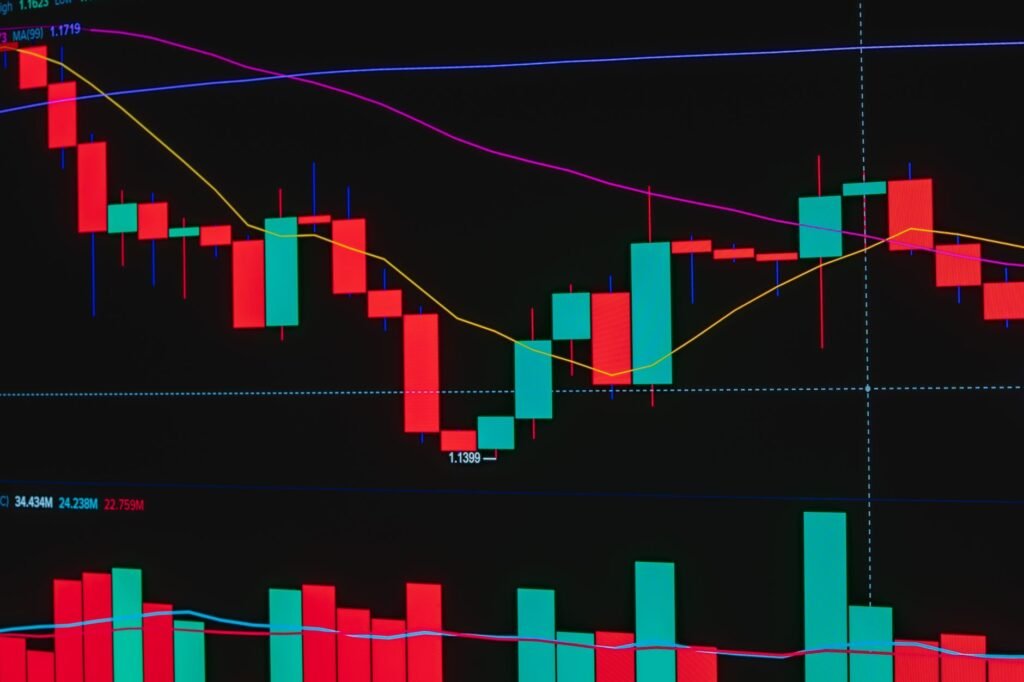

In the dynamic trading landscape of 2026, understanding market mechanics is more crucial than ever. For traders aiming to gain an edge, two powerful analytical tools frequently come into discussion: Order Flow and Volume Profile. This article delves into the methodologies, applications, and suitability of each, helping to determine which tool, or combination thereof, might best align with individual trading styles and objectives.
Understanding Order Flow Analysis
Order Flow analysis offers a granular, real-time perspective into the buying and selling pressure within a market. Instead of merely looking at price, it visualizes the actual orders being executed, allowing traders to see where liquidity is being absorbed or injected. In 2026, with the continued prevalence of algorithmic trading and high-frequency trading (HFT), spotting these instantaneous shifts can be critical for short-term strategies.
Methodology of Order Flow
Order Flow tools typically display data in various formats:
- Footprint Charts: These specialized candlestick charts show the volume traded at each price level within a given candle, broken down by bids (buyers at the ask) and asks (sellers at the bid). This provides insight into aggression and absorption.
- Order Book/DOM (Depth of Market): While not strictly Order Flow analysis, the DOM is a foundational component, showing pending limit orders. Order Flow analysis extends this by showing executed orders.
- Delta: This metric represents the difference between aggressive buying volume and aggressive selling volume over a period or within a bar. A positive delta indicates stronger buying pressure, while a negative delta suggests stronger selling pressure.
Applications and Suitability
Order Flow analysis is particularly suited for active traders who operate on shorter timeframes, such as scalpers and day traders. It helps in:
- Identifying Exhaustion and Reversals: Spotting instances where one side of the market is aggressively buying or selling into a level, only to have their orders absorbed, can signal a potential reversal.
- Precision Entries and Exits: By observing real-time order execution, traders can fine-tune their entry and exit points with greater accuracy.
- Liquidity Detection: Understanding where institutional orders are likely being placed or absorbed.
However, Order Flow requires intense focus and a rapid reaction time. It presents a steep learning curve, and the sheer volume of real-time data can be overwhelming for beginners or those accustomed to slower-paced analysis.
Decoding Volume Profile Analysis
Volume Profile analysis, in contrast to Order Flow’s real-time focus, provides a historical perspective of volume traded at specific price levels over a defined period. It builds a visual histogram of volume on the vertical axis, creating a distribution that highlights areas of significant price acceptance or rejection. In a market where understanding structural support and resistance remains paramount, Volume Profile offers robust insights.
Methodology of Volume Profile
Key components of Volume Profile include:
- Value Area (VA): This represents the price range where approximately 70% of the total volume for a given period was traded. It signifies the fair value for participants during that time.
- Point of Control (POC): The single price level where the most volume was traded within the profile. The POC often acts as a strong magnetic level, attracting price.
- High Volume Nodes (HVN): Peaks in the Volume Profile histogram, representing price levels where a significant amount of trading occurred. These often act as strong support or resistance.
- Low Volume Nodes (LVN): Valleys in the Volume Profile, indicating price levels where little trading took place. These often act as areas where price tends to move quickly through.
Applications and Suitability
Volume Profile is highly effective for traders seeking to understand market structure, identify significant support and resistance levels, and gauge overall market sentiment. It is suitable for:
- Swing Traders and Position Traders: Providing a macro view of market acceptance and rejection to define longer-term trade setups.
- Identifying Key Support and Resistance: HVNs and POCs often serve as reliable levels where price may pause or reverse.
- Evaluating Trend Strength: Understanding how volume is distributed within a trend can confirm its health or signal potential exhaustion.
While excellent for market context, Volume Profile is less reactive than Order Flow, as it relies on aggregated historical data. It offers a strategic, rather than a tactical, edge.
Order Flow vs. Volume Profile: Key Distinctions in 2026
The core difference between Order Flow and Volume Profile lies in their temporal focus and the type of insights they provide:
- Time Horizon: Order Flow is intensely focused on the present moment, offering a micro-view of live supply and demand dynamics. Volume Profile, conversely, aggregates historical data, providing a macro-view of price acceptance over a period.
- Market Context: Order Flow helps identify immediate imbalances and potential turning points within bars or candles. Volume Profile helps establish the broader market structure, identifying significant price ranges and levels that have been accepted or rejected by the market historically.
- Required Focus: Trading with Order Flow demands constant, high-concentration monitoring and quick decision-making. Volume Profile analysis allows for more deliberate, analytical decision-making based on established market structure.
In 2026, with markets exhibiting continued volatility influenced by factors like evolving geopolitical landscapes and persistent inflation considerations, understanding both real-time order dynamics and underlying structural levels can offer a comprehensive trading approach.
Choosing the Right Tool for Your Trading Style
The choice between Order Flow and Volume Profile largely depends on your trading timeframe, temperament, and objectives.
For the Short-Term Trader (Scalper, Day Trader)
If you execute numerous trades within a single day, focusing on capturing small price movements, Order Flow analysis is often indispensable. Its real-time granularity allows you to see immediate shifts in buying/selling aggression, identify liquidity pockets, and gauge the strength of price moves as they unfold. In today’s highly algorithmic markets, reacting to these precise order imbalances can be the difference between profit and loss on micro timeframes.
For the Longer-Term Trader (Swing Trader, Position Trader)
If your trading horizon extends from a few days to weeks or months, focusing on larger trends and significant market turns, Volume Profile analysis will likely be more beneficial. It helps you identify where value has been established in the past, locate critical support and resistance levels that underpin broader trends, and understand the market’s long-term acceptance of price. Volume Profile provides the structural map upon which longer-term strategies can be built.
The Power of Synergy
Many experienced traders in 2026 recognize that these tools are not mutually exclusive but are rather complementary. One common approach involves using Volume Profile to define the broader market context – identifying key value areas, POCs, and HVNs/LVNs on a higher timeframe. Then, as price approaches these significant levels, Order Flow analysis can be employed on a lower timeframe to confirm entries, exits, or reversals based on real-time buying and selling pressure. This combination allows traders to marry strategic market structure with tactical execution.
Conclusion
Both Order Flow and Volume Profile analysis are potent tools that offer unique insights into market behavior. Order Flow excels at providing a real-time, granular view of buying and selling pressure, ideal for fast-paced, short-term trading. Volume Profile, on the other hand, offers a historical, structural perspective, perfect for identifying significant support/resistance and understanding market value over longer periods. The
Disclaimer: This article is provided for general informational and educational purposes only and does not constitute financial, investment, trading, or legal advice. Gainsium is not a registered investment advisor. Markets are volatile and past performance does not guarantee future results. Readers should conduct their own research and consult a licensed financial advisor before making any investment decisions.