
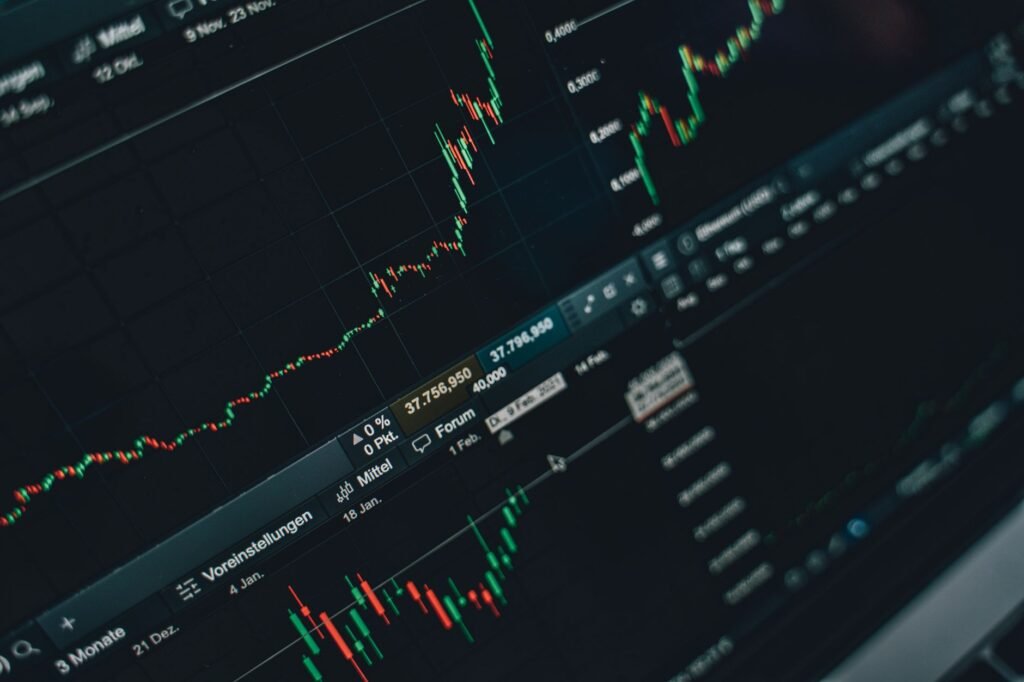

Embarking on the journey of trading can be exhilarating, especially with the increased accessibility and speed of global markets in 2026. However, even with sophisticated strategies and robust market analysis, new traders often find their success derailed not by a lack of knowledge, but by a failure to manage their own minds. This article outlines crucial psychological principles and practices that new traders can adopt to manage emotions, maintain discipline, and improve decision-making in the volatile trading environment.
1. Develop a Comprehensive Trading Plan and Adhere to It
One of the most foundational aspects of successful trading psychology is the creation and disciplined execution of a well-defined trading plan. Before placing any capital into the market, a beginner trader can benefit immensely from outlining their strategy, risk parameters, and objectives. This plan acts as an objective guide, helping to prevent impulsive decisions driven by fear or greed, which are amplified in today’s fast-paced, algorithm-influenced markets.
- Define Entry and Exit Criteria: Clearly specify the conditions under which a trade will be initiated and closed, including profit targets and stop-loss levels.
- Set Risk Management Rules: Determine the maximum percentage of capital to risk per trade and per day.
- Outline Market Analysis Methods: Detail the specific tools and indicators that will be used for decision-making.
Sticking to this plan, particularly when markets are showing heightened volatility, helps to maintain a sense of control and reduces the mental fatigue associated with constant, ad-hoc decision-making.
2. Understand and Manage Your Emotions
Emotions are powerful drivers in trading and can lead to significant errors if left unchecked. Fear and greed are perhaps the most common psychological pitfalls. Fear can lead to premature exits from winning trades or hesitation to enter promising ones, while greed can encourage overtrading, taking on excessive risk, or holding onto losing positions for too long in the hope of a rebound. In an environment where market information travels almost instantaneously, and retail participation remains high, emotional reactions can be severely amplified.
Developing an awareness of these emotional states is the first step toward managing them. When making a trading decision, it can be helpful to pause and reflect on the underlying emotion. Is the decision based on rational analysis and the trading plan, or is it influenced by anxiety or excitement? Recognizing this distinction allows traders to step back and make more objective choices.
3. Implement Rigorous Risk Management Practices
While often categorized as a strategic element, risk management is deeply psychological. Implementing strict risk management practices can significantly alleviate the emotional burden of trading. Knowing that a trade’s potential loss is limited to a predetermined, acceptable amount can help reduce fear and stress.
- Position Sizing: Properly sizing positions ensures that no single trade can disproportionately impact the overall portfolio.
- Stop-Loss Orders: Utilizing stop-loss orders automatically limits potential losses, removing the emotional struggle of deciding when to exit a losing trade.
- Capital Preservation: Prioritizing the preservation of capital over aggressive profit-seeking is a healthy mindset that promotes longevity in trading.
Effective risk management provides a psychological buffer, enabling traders to endure periods of drawdowns without compromising their mental state or their ability to continue trading effectively.
4. Cultivate Patience and Avoid Overtrading
The allure of constant market action, exacerbated by 24/7 news cycles and instant trading platforms, can push beginners towards overtrading. However, successful trading often involves significant periods of patience, waiting for high-probability setups that align with one’s trading plan. Rushing into trades or trading out of boredom can quickly deplete capital and mental energy.
In today’s interconnected global markets, with diverse asset classes from traditional equities to digital assets, there is always an opportunity somewhere. However, a disciplined trader understands that not every opportunity is for them. Developing the discipline to wait for clarity and confirmation before entering a trade can be a significant psychological advantage, preventing unnecessary losses and preserving capital for truly opportune moments.
5. Learn from Every Trade Through Journaling
Every trade, whether a win or a loss, offers a valuable learning opportunity. Maintaining a detailed trading journal is a practice that can help traders objectively review their performance and identify patterns in their decision-making process. The journal can include details such as entry and exit points, reasons for the trade, market conditions, and crucially, the emotional state during the trade.
Reviewing this journal regularly, especially during calmer periods, allows traders to detach from the immediate emotional impact of a trade and gain insights into their strengths and weaknesses. This continuous learning cycle is fundamental for psychological growth and refinement of one’s trading approach, moving beyond the ego attached to wins and losses.
6. Maintain Realistic Expectations
Trading is not a get-rich-quick scheme. The expectation of quick, substantial profits often leads to reckless behavior and disappointment. In 2026, while market narratives may highlight significant gains in certain sectors, it is important for new traders to remember that such outcomes are not guaranteed and typically involve substantial risk. Trading is a skill that takes time, effort, and continuous learning to develop.
Realistic expectations involve understanding that losses are an inherent part of trading. Volatility is a constant in financial markets, influenced by macro-economic factors, geopolitical events, and technological shifts. Focusing on consistent, smaller gains and disciplined risk management, rather than aiming for large, improbable returns, fosters a healthier and more sustainable psychological outlook.
7. Prioritize Self-Care and Mental Well-being
The intense and often stressful nature of trading can take a toll on a trader’s mental and physical health. Burnout, fatigue, and stress can impair judgment, leading to errors and exacerbating emotional trading. Therefore, prioritizing self-care is not just a personal choice but a critical component of maintaining effective trading psychology.
- Regular Breaks: Step away from the screens and engage in non-trading activities to clear the mind.
- Adequate Sleep: Ensure sufficient rest to maintain focus and decision-making clarity.
- Physical Activity and Healthy Diet: A healthy body often supports a healthy mind, enhancing resilience to market pressures.
Treating trading as a marathon, not a sprint, and integrating regular self-care practices into a daily routine can significantly enhance a trader’s ability to remain calm, focused, and disciplined, even amidst challenging market conditions.
Disclaimer: This article is provided for general informational and educational purposes only and does not constitute financial, investment, trading, or legal advice. Gainsium is not a registered investment advisor. Markets are volatile and past performance does not guarantee future results. Readers should conduct their own research and consult a licensed financial advisor before making any investment decisions.