
In 2026, the venerable question of gold’s effectiveness as a currency hedge remains a pertinent one for investors navigating a complex global financial landscape. Gold has long been considered a traditional store of value and a protector against the erosion of purchasing power, particularly when national currencies face volatility or inflation. However, its actual performance in this role is not static; it is influenced by a confluence of economic, monetary, and geopolitical factors that shape market dynamics year after year. Understanding these key determinants is crucial for grasping gold’s potential utility in a portfolio.
Global Economic Landscape and Inflationary Pressures
The prevailing global economic conditions in 2026 are a primary driver of gold’s appeal as a currency hedge. If the global economy experiences sustained inflationary pressures, gold often shines. Historically, periods of high or persistent inflation have seen increased interest in gold as investors seek to preserve capital against the diminishing value of fiat currencies. In 2026, discussions around the persistence of inflationary forces, or conversely, a potential return to disinflationary trends, significantly shape gold’s narrative. Economic growth forecasts also play a role; scenarios of robust global growth might divert capital towards riskier assets, potentially tempering demand for gold, while concerns about a slowdown or even stagflation could enhance its safe-haven allure.
A strong link exists between gold and real interest rates – that is, nominal interest rates minus inflation expectations. When real interest rates are low or negative, the opportunity cost of holding a non-yielding asset like gold decreases, making it more attractive relative to interest-bearing alternatives. Conversely, higher real rates tend to make gold less appealing. Understanding the trajectory of inflation and its interplay with central bank policies is therefore fundamental to assessing gold’s hedging capability.
Monetary Policy and Interest Rates
Central bank monetary policy decisions, particularly from major economies like the United States Federal Reserve, the European Central Bank, and the Bank of England, exert a profound influence on gold’s standing in 2026. The direction of interest rates is critical. Should central banks maintain a hawkish stance to combat inflation, pushing nominal rates higher, this could create headwinds for gold. However, if inflation remains stubbornly elevated while central banks pause or reverse rate hikes due to economic fragility, real interest rates could fall, potentially boosting gold’s attractiveness.
Beyond headline interest rates, quantitative easing (QE) or quantitative tightening (QT) programs also matter. Periods of extensive QE, involving large-scale asset purchases, tend to inject liquidity into financial systems, sometimes sparking inflation fears and boosting gold’s appeal. Conversely, QT, which involves reducing central bank balance sheets, can withdraw liquidity, potentially increasing real yields and reducing gold’s relative attractiveness. The nuanced approaches of various central banks in 2026 to managing inflation and supporting economic stability will be closely watched for their impact on gold’s role as a currency hedge.
Geopolitical Stability and Investor Sentiment
Gold’s historical function as a safe-haven asset means that geopolitical developments significantly influence its hedging potential. In 2026, ongoing global conflicts, regional political instabilities, trade disputes, and unexpected international crises can all heighten investor uncertainty and risk aversion. During such periods, the flight to safety often benefits gold, as it is perceived as a universally accepted store of value, independent of any single nation’s economic or political fate. When confidence in traditional financial systems or specific currencies wanes due to geopolitical turmoil, gold often steps forward as a preferred refuge.
Investor sentiment, often driven by a combination of economic data and geopolitical headlines, plays a crucial role. A general feeling of unease or a heightened perception of systemic risk can lead to increased demand for gold, not only as a hedge against currency devaluation but also as a general hedge against global instability. The market’s interpretation of events, rather than just the events themselves, can thus significantly impact gold flows and its performance as a crisis hedge.
The US Dollar’s Strength and Currency Dynamics
As the world’s primary reserve currency, the strength or weakness of the US dollar (USD) typically has a significant inverse relationship with gold prices. In 2026, if the US dollar strengthens against a basket of other major currencies, gold, which is priced in dollars, often becomes more expensive for holders of other currencies, potentially dampening demand. Conversely, a weakening US dollar can make gold more affordable and attractive globally, potentially leading to increased demand and higher dollar-denominated prices.
However, this relationship is not always absolute. In periods of extreme market stress, both the US dollar and gold can appreciate simultaneously as investors seek the safest possible assets. Beyond the USD, the relative performance of other major currencies, such as the Euro, Japanese Yen, or Chinese Yuan, can also indirectly influence global gold flows and its perceived value as a hedge. Diversification away from weakening national currencies, whether the USD or others, often involves considering gold as an alternative.
Supply, Demand, and Market Structure
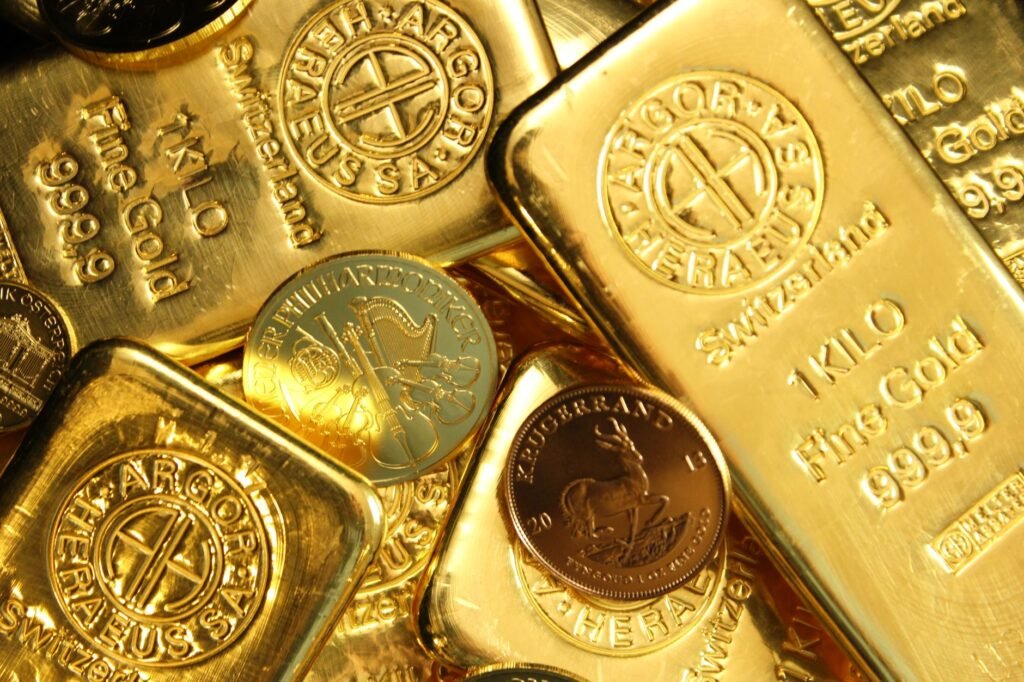
Finally, the fundamental dynamics of gold’s supply and demand, alongside its market structure, are always relevant. In 2026, factors such as global gold mining output, which can be affected by new discoveries, technological advancements, or regulatory changes, contribute to the supply side. Demand comes from various sources: jewelry fabrication, industrial uses (electronics, dentistry), and critically, investment demand in the form of physical bullion (bars and coins), gold-backed exchange-traded funds (ETFs), and derivatives markets.
Central bank buying or selling also represents a significant component of global gold demand. Many central banks continue to accumulate gold as part of their reserve diversification strategies, viewing it as an asset with no counterparty risk and a hedge against currency fluctuations. Speculative positioning in futures markets can also create short-term price volatility, but the underlying physical supply and demand, particularly from institutional investors and central banks, provide a fundamental backdrop for gold’s long-term role as a currency hedge.
Disclaimer: This article is provided for general informational and educational purposes only and does not constitute financial, investment, trading, or legal advice. Gainsium is not a registered investment advisor. Markets are volatile and past performance does not guarantee future results. Readers should conduct their own research and consult a licensed financial advisor before making any investment decisions.