
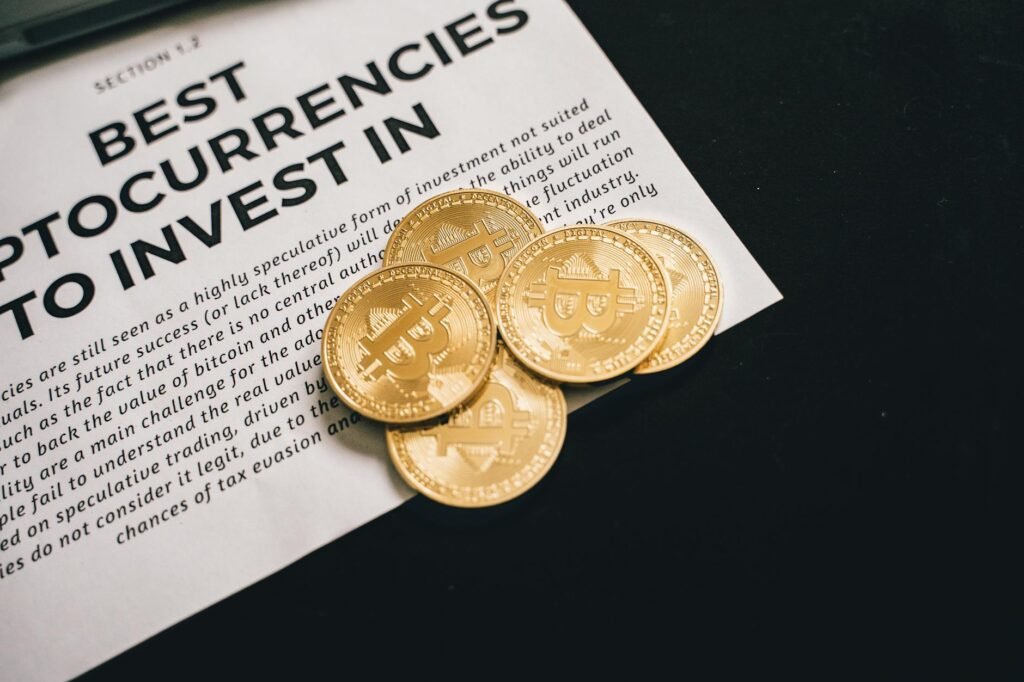

Navigating the Crypto Landscape in 2026
Welcome to 2026, a year where the cryptocurrency market has matured far beyond the speculative frenzy of previous cycles. Today, the digital asset ecosystem is defined by institutional-grade infrastructure, clear regulatory frameworks, and genuine economic utility. The days of buying tokens based on hype alone are gone. To build and preserve wealth in 2026, smart investors are focusing on protocols that solve real-world problems, scale efficiently, and generate sustainable protocol revenue.
With major central banks integrating tokenized assets and the completion of the latest Bitcoin halving cycle behind us, we are witnessing a structural shift. Liquid staking, decentralized physical infrastructure networks (DePIN), and artificial intelligence (AI) integration have moved from experimental concepts to core drivers of market value. In this comprehensive guide, we analyze the top 10 cryptocurrencies you must watch this year and outline a professional framework for portfolio allocation and risk management.
The Blue-Chip Anchors: Market Leaders in 2026
1. Bitcoin (BTC)
As we navigate 2026, Bitcoin remains the undisputed king of digital assets. Following the maturation of Spot Bitcoin ETFs globally, BTC has firmly established itself as digital gold within institutional portfolios. However, the biggest narrative for Bitcoin this year is the rapid expansion of its Layer-2 ecosystem. Protocols like Stacks and Babylon have unlocked trustless BTC staking and smart contract capabilities, transforming Bitcoin from a passive store of value into an active, yield-bearing financial asset.
2. Ethereum (ETH)
Ethereum continues to serve as the foundational settlement layer for global decentralized finance (DeFi). In 2026, Ethereum’s scalability roadmap has reached a major milestone with fully optimized Danksharding, reducing Layer-2 transaction fees to fractions of a cent. While competitors challenge its speed, Ethereum’s unmatched security, institutional adoption, and deflationary supply dynamics make it an indispensable core holding for any long-term crypto portfolio.
Emerging Giants and Sector Leaders
3. Solana (SOL)
Solana has solidified its position as the premier high-performance blockchain. In 2026, its state-of-the-art Firedancer validator client is fully operational, pushing network throughput past 100,000 transactions per second. Solana has become the primary hub for consumer-facing decentralized applications (dApps), payment integrations, and the booming DePIN sector, making SOL a top contender for retail and enterprise adoption alike.
4. Chainlink (LINK)
As real-world asset (RWA) tokenization becomes a multi-trillion-dollar industry in 2026, Chainlink stands out as the essential bridge between traditional finance and blockchain technology. Its Cross-Chain Interoperability Protocol (CCIP) has become the gold standard for secure data transfer and token movement across private banking ledgers and public blockchains. LINK remains one of the safest infrastructural bets in the space.
5. Bittensor (TAO)
The intersection of blockchain and artificial intelligence is one of the most explosive trends of 2026, and Bittensor leads the charge. TAO incentivizes a decentralized, collaborative network of machine learning models. By democratizing access to AI compute and intelligence, Bittensor is positioning itself as a decentralized alternative to Big Tech monopolies, attracting significant developer talent and capital.
6. Celestia (TIA)
The modular blockchain thesis has fully materialized, and Celestia is its primary beneficiary. By specializing solely in data availability, Celestia allows developers to launch highly customized rollups rapidly and cost-effectively. As hundreds of new application-specific chains launch this year, Celestia’s infrastructure sits at the very center of this massive expansion.
7. Ondo Finance (ONDO)
For investors looking to capitalize directly on the tokenized finance boom, Ondo Finance is a standout performer. Ondo brings institutional-grade financial products—such as US Treasuries and money market funds—on-chain. By offering yield backed by real-world assets, ONDO has bridged the gap between traditional yield generation and decentralized liquidity.
8. Sui (SUI)
Using the highly secure and efficient Move programming language, Sui has emerged as a formidable Layer-1 competitor. With its object-centric data model and sub-second finality, Sui has captured substantial market share in web3 gaming, high-frequency DeFi trading, and enterprise supply chain tracking throughout 2026.
9. Optimism (OP)
Ethereum’s scaling landscape is dominated by the Superchain framework, and Optimism is the driving force behind it. Powering major networks like Coinbase’s Base, the OP Stack has created an interconnected ecosystem of Layer-2 chains that share security, communication, and governance. OP token holders benefit directly from this expanding network effect.
10. Render Network (RENDER)
As the demand for decentralized GPU computing power reaches unprecedented levels due to AI and spatial computing, Render Network has become an invaluable utility provider. RENDER connects artists and AI developers with idle GPU compute power worldwide, proving that decentralized physical infrastructure can solve real-world resource scarcity in 2026.
Portfolio Allocation & Risk Management in 2026
Investing in cryptocurrencies requires a disciplined approach, especially in a mature market. To successfully build wealth, you must move away from emotional trading and implement a structured portfolio allocation strategy that balances capital preservation with asymmetric growth potential.
A professional asset allocation model for 2026 should look similar to this:
- Core Holdings (50% – 60%): Bitcoin (BTC) and Ethereum (ETH). These assets provide stability, deep liquidity, and institutional backing to protect your downside.
- Major L1s & Infrastructure (25% – 35%): Established protocols like Solana (SOL), Chainlink (LINK), and Optimism (OP) that capture structural ecosystem growth.
- High-Growth Verticals (10% – 15%): Emerging trends with high upside, such as decentralized AI (TAO, RENDER), modular architecture (TIA), and tokenized RWAs (ONDO).
Actionable Strategies for Wealth Creation
To maximize your returns while keeping your risk managed in 2026, implement these practical, actionable steps:
- Utilize Systematic DCA: Set up automated Dollar-Cost Averaging (DCA) for your core holdings. This removes emotion and lowers your average entry price over time.
- Leverage Staking and Restaking: Do not let your assets sit idle. Safely utilize native staking or secure restaking protocols to earn compounding yields on your ETH, SOL, and BTC.
- Prioritize Self-Custody: Despite increased regulation, exchange failures remain a risk. Keep your long-term investments secured in hardware wallets.
- Monitor Protocol Revenue: Look at on-chain metrics. Focus on projects with growing active user bases, fee generation, and developer activity rather than pure marketing hype.
Conclusion
The cryptocurrency market in 2026 offers unparalleled opportunities for those who approach it with a professional, analytical mindset. By anchoring your portfolio with blue-chips like Bitcoin and Ethereum, strategic diversification into high-utility altcoins, and strict risk management, you can successfully navigate this cycle and build lasting wealth. Stay educated, stay secure, and let data guide your investment journey.