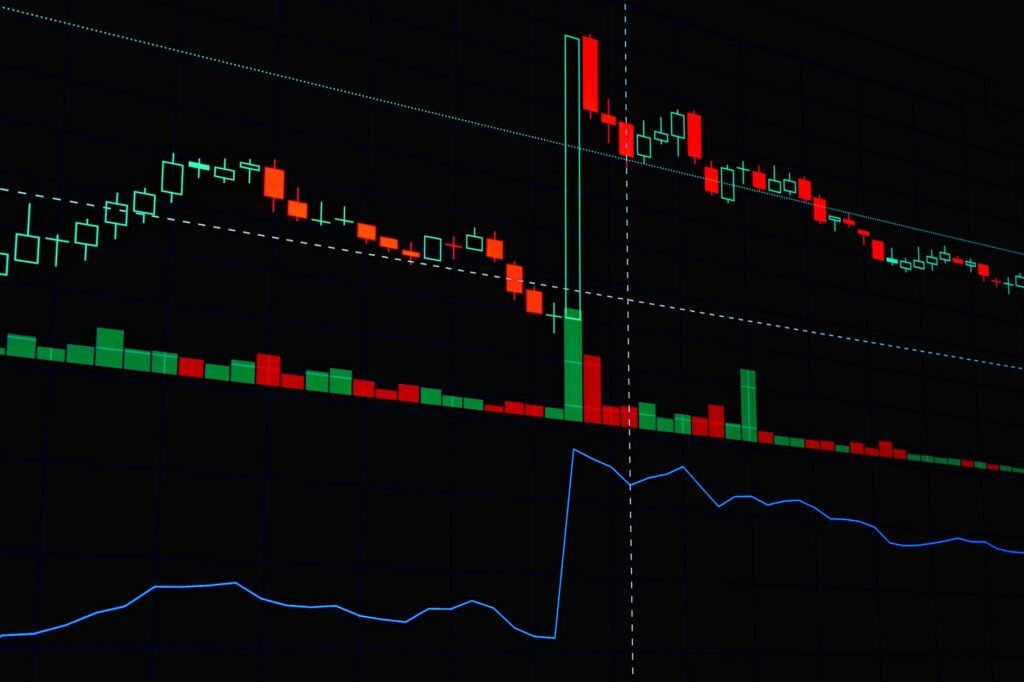

In the dynamic financial landscape of 2026, understanding fundamental investment strategies is more crucial than ever. Investors commonly encounter two primary approaches: long investing and short selling. This article offers a detailed comparison of these distinct strategies, examining their unique risks, potential rewards, and suitability for various market conditions in the current year.
While long investing represents a traditional belief in market growth, short selling offers a method to potentially profit from declining asset prices. Each strategy carries a fundamentally different risk-reward profile, demanding a clear understanding from anyone considering participating in the financial markets.
Long Investing: The Foundation of Wealth Accumulation
What is Long Investing?
Long investing, often simply referred to as ‘going long,’ is arguably the most common and intuitive investment strategy. It involves purchasing an asset—such as stocks, bonds, exchange-traded funds (ETFs), or mutual funds—with the expectation that its price will increase over time. The investor holds the asset, anticipating capital appreciation and, in many cases, receiving income through dividends or interest payments. This strategy aligns with a generally optimistic long-term view of economic growth and company performance.
Rewards of Long Investing
- Unlimited Upside Potential: When an investor buys an asset long, there is theoretically no limit to how high its price can rise.
- Capital Appreciation: The primary reward comes from selling the asset later at a higher price than the purchase price.
- Income Generation: Many assets, particularly stocks and bonds, offer regular income streams through dividends or interest payments, which can also be reinvested to compound returns.
- Time as an Ally: Long-term investors often benefit from the power of compounding and can ride out short-term market fluctuations, allowing their investments more time to grow. Historically, diversified portfolios held for extended periods have demonstrated significant growth.
Risks of Long Investing
- Market Volatility: Asset prices can decline, sometimes sharply, leading to temporary or permanent capital losses.
- Company-Specific Risks: An individual company may perform poorly, lose market share, or even go bankrupt, severely impacting the value of its stock.
- Inflation Risk: The purchasing power of future returns can be eroded by inflation, especially during periods of elevated price increases, as experienced in the early to mid-2020s.
- Opportunity Cost: Capital tied up in an underperforming asset cannot be used for other, potentially more profitable, investments.
In 2026, long investors are navigating an environment marked by evolving interest rate policies globally, persistent technological advancements in sectors like AI and biotechnology, and ongoing geopolitical considerations influencing supply chains and trade. While some sectors are showing robust growth, others face headwinds, underscoring the importance of diversification and fundamental analysis.
Short Selling: Betting Against the Current
What is Short Selling?
Short selling is an advanced investment strategy where an investor aims to profit from a decline in an asset’s price. The process involves borrowing shares of an asset (typically from a broker) and immediately selling them on the open market. The short seller then waits for the price to drop, buys back the same number of shares at the lower price, and returns them to the lender. The profit is the difference between the selling price and the buy-back price, minus any borrowing fees and commissions.
Rewards of Short Selling
- Profit in Declining Markets: Short selling allows investors to potentially generate returns even when the broader market or specific assets are falling in value. This can be particularly appealing during bearish market cycles.
- Hedging: Experienced investors may use short positions to hedge against potential declines in their existing long portfolios, thereby reducing overall risk exposure.
- Quick Gains Potential: If a short thesis plays out rapidly, short sellers can achieve significant returns in a relatively short timeframe.
Risks of Short Selling
- Unlimited Loss Potential: This is arguably the most significant risk. While a long position can only lose 100% of its value (if the price drops to zero), a short position has theoretically unlimited loss potential, as there is no cap on how high an asset’s price can rise.
- Margin Calls: Short selling typically requires a margin account. If the price of the borrowed asset rises significantly, the investor may receive a margin call, requiring them to deposit additional funds to cover potential losses.
- Borrowing Costs: Short sellers incur interest on the borrowed shares, and sometimes
Disclaimer: This article is provided for general informational and educational purposes only and does not constitute financial, investment, trading, or legal advice. Gainsium is not a registered investment advisor. Markets are volatile and past performance does not guarantee future results. Readers should conduct their own research and consult a licensed financial advisor before making any investment decisions.