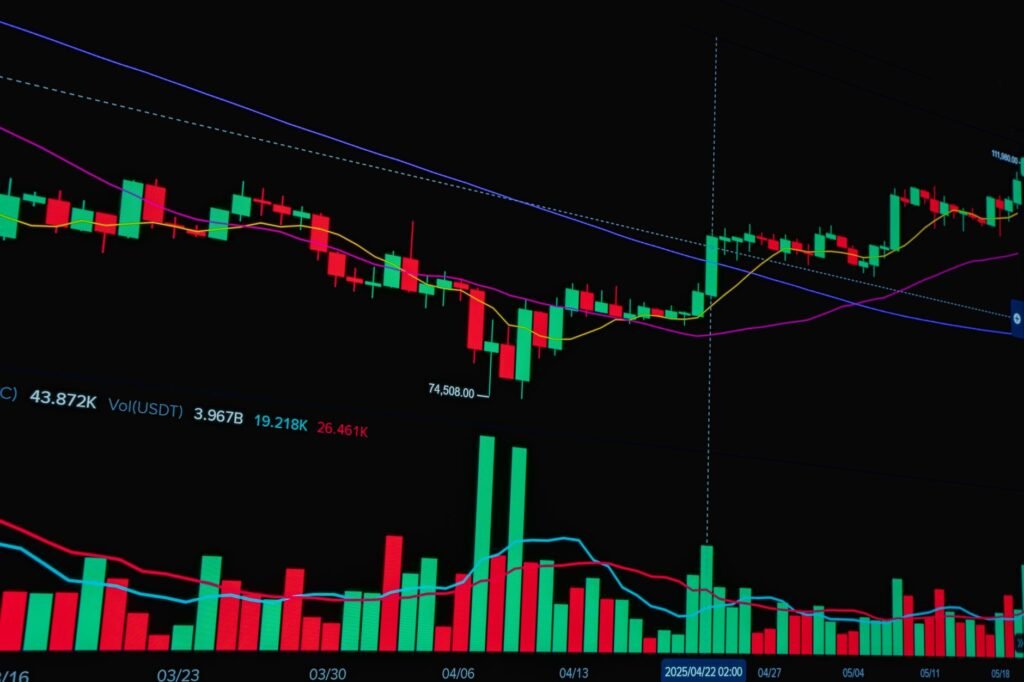

Understanding how to interpret volume spikes and declines is a critical skill for traders aiming to make informed decisions in 2026’s dynamic markets. Volume analysis provides invaluable insights into market conviction and potential shifts in price direction by revealing the level of participation behind a price movement. This guide explores the significance of these volume patterns, offering a framework for integration into a comprehensive trading strategy.
The Role of Volume in Market Analysis
Trading volume represents the total number of shares, contracts, or units of a security exchanged between buyers and sellers over a specific period. It is a fundamental indicator of market activity and liquidity. A high volume signifies robust market participation, indicating that many market participants are actively buying and selling the asset. Conversely, low volume suggests less interest or conviction in the asset.
Historically, volume has been a cornerstone of technical analysis, used to confirm price trends and identify potential reversals. In 2026, with the continued evolution of algorithmic trading and increasingly interconnected global markets, the ability to discern genuine market intent from transient fluctuations remains as vital as ever. Understanding the forces driving volume changes can help traders gauge the strength of price moves.
Why Volume Matters
- Confirmation of Price Moves: Strong price trends, whether upward or downward, are generally considered more reliable when accompanied by high volume. This suggests broad market agreement with the direction.
- Indication of Liquidity: High volume often correlates with higher liquidity, making it easier to enter and exit positions without significantly impacting the asset’s price.
- Identification of Reversals: Divergences between price and volume can signal weakening trends and potential reversals.
Interpreting Volume Spikes
A volume spike occurs when trading activity for an asset surges dramatically above its average level. These spikes often coincide with significant market events and can provide strong signals about future price movements. Interpreting them correctly involves analyzing the accompanying price action and market context.
Volume Spikes with Price Increases
When a substantial increase in volume accompanies a significant upward price movement, it generally indicates strong bullish conviction. This pattern suggests that a large number of buyers are entering the market, pushing prices higher with considerable force. It can confirm a breakout from a resistance level or the start of a new uptrend. In 2026, such spikes might be triggered by positive earnings reports, major technological advancements in a company’s sector, or favorable geopolitical developments impacting specific industries.
Volume Spikes with Price Declines
Conversely, a volume spike coinciding with a sharp drop in price typically signals strong bearish conviction. This indicates that a large number of sellers are exiting their positions, often aggressively, driving prices lower. This can confirm a breakdown below a support level or the acceleration of a downtrend. Instances in 2026 could include negative economic data, unexpected regulatory changes affecting a sector, or broad market risk-off sentiment often seen during periods of macroeconomic uncertainty.
Volume Spikes at Market Extremes
Volume spikes observed after a prolonged trend, whether upward or downward, can often signal exhaustion and potential reversals:
- Climax buying: A sharp price increase on extremely high volume after a long uptrend may indicate a
Disclaimer: This article is provided for general informational and educational purposes only and does not constitute financial, investment, trading, or legal advice. Gainsium is not a registered investment advisor. Markets are volatile and past performance does not guarantee future results. Readers should conduct their own research and consult a licensed financial advisor before making any investment decisions.