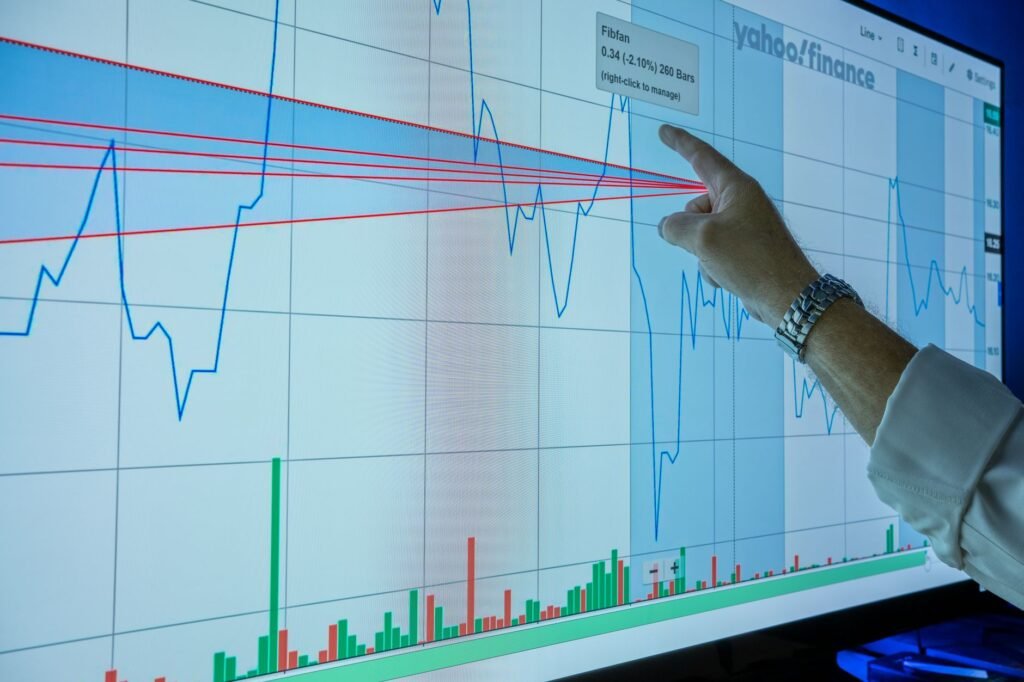

In 2026, understanding how to analyze inflation data remains a critical skill for investors seeking to make informed decisions. This guide will walk through interpreting key inflation indicators and applying this knowledge to general investment strategies. As global economies continue to navigate evolving market dynamics, dissecting inflation reports provides valuable insights into potential shifts across various asset classes.
Understanding Key Inflation Indicators
Effective analysis begins with recognizing the primary metrics used to measure inflation. These indicators provide a snapshot of price changes across various goods and services, influencing everything from consumer spending to corporate profits.
Consumer Price Index (CPI) and Producer Price Index (PPI)
The Consumer Price Index (CPI) measures the average change over time in the prices paid by urban consumers for a market basket of consumer goods and services. It is a widely reported gauge of inflation, reflecting the cost of living. Core CPI, which excludes volatile food and energy prices, is often scrutinized for underlying inflationary trends. The Producer Price Index (PPI), on the other hand, measures the average change over time in the selling prices received by domestic producers for their output. PPI often provides an early signal of potential future CPI changes, as producer costs can eventually be passed on to consumers. In 2026, both CPI and PPI continue to be closely watched, particularly as global supply chains have undergone significant adjustments following earlier disruptions, impacting production costs and consumer prices.
Personal Consumption Expenditures (PCE) Price Index
While CPI is prominent, the Personal Consumption Expenditures (PCE) Price Index is the Federal Reserve’s preferred measure of inflation. PCE covers a broader range of goods and services than CPI and accounts for changes in consumer behavior, such as substituting cheaper goods when prices rise. This adaptability makes it a more comprehensive gauge of consumer spending patterns. Like CPI, a core PCE figure is also observed to filter out short-term volatility. Investors often look to PCE data to anticipate potential shifts in monetary policy, which can significantly affect market sentiment and asset valuations.
Yield Curve and Inflation Expectations
Beyond reported inflation data, the bond market provides crucial insights into future inflation expectations. The yield curve, which plots the yields of bonds with equal credit quality but differing maturity dates, can signal market participants’ outlook on economic growth and inflation. A steepening yield curve, where long-term yields rise faster than short-term yields, can suggest expectations for higher inflation or stronger economic growth. Conversely, a flattening or inverted curve might signal concerns about future growth or a belief that inflation will moderate. The spread between nominal Treasury yields and Treasury Inflation-Protected Securities (TIPS) yields, known as the breakeven inflation rate, offers a direct measure of market-implied inflation expectations over specific time horizons.
Interpreting Inflation’s Impact on Asset Classes
Different asset classes react distinctly to inflationary pressures. Understanding these varying responses is key to formulating robust investment considerations.
Equities
The impact of inflation on equities can be multifaceted. Companies with strong pricing power – the ability to raise prices without significant loss of market share – may perform relatively well as they can pass on increased costs to consumers. Sectors like consumer staples, utilities, and healthcare, often characterized by consistent demand, might exhibit resilience. However, high inflation can erode corporate profit margins if input costs rise faster than selling prices. Growth stocks, often valued on future earnings, can also face headwinds as higher inflation typically leads to higher interest rates, discounting future cash flows more heavily. In 2026, investors continue to assess companies’ operational efficiencies and supply chain resilience in the face of ongoing cost management challenges.
Fixed Income
Inflation generally has a negative impact on fixed income investments, particularly conventional bonds. As inflation rises, the purchasing power of fixed interest payments and the bond’s principal at maturity diminishes. This erosion of real returns makes bonds less attractive, often leading to higher yields to compensate investors for the loss of purchasing power. Long-duration bonds are typically more sensitive to inflation and interest rate changes than short-duration bonds. Some investors consider inflation-indexed bonds, such as TIPS, which adjust their principal value in response to changes in the CPI, offering a degree of protection against inflation.
Real Assets and Commodities
Historically, real assets and commodities have often been considered potential hedges against inflation. Assets like real estate, infrastructure, and various commodities (e.g., gold, oil, agricultural products) tend to appreciate in value during inflationary periods because their prices are often directly tied to the cost of production or intrinsic value. Gold, for instance, has long been viewed as a store of value when fiat currencies lose purchasing power. Energy commodities and agricultural products can see price increases due to supply-demand imbalances or geopolitical factors that are often intertwined with inflationary dynamics. Some investors consider strategic allocations to these asset classes as a way to diversify a portfolio and potentially preserve capital during times of rising prices.
Strategies for Navigating Inflationary Environments
While inflation presents challenges, several general approaches exist for investors to consider within a diversified portfolio strategy.
Diversification and Rebalancing
A well-diversified portfolio, encompassing a mix of asset classes, can help mitigate the risks associated with inflation. By holding assets that may perform differently under various economic conditions, investors can potentially reduce overall portfolio volatility. Regular rebalancing is crucial, ensuring that the portfolio’s allocation aligns with an investor’s long-term objectives and risk tolerance as market conditions, including inflation dynamics, evolve. This active management helps prevent overconcentration in assets that may become less attractive in an inflationary environment.
Considering Inflation-Protected Securities (TIPS)
For investors specifically concerned about inflation risk, Treasury Inflation-Protected Securities (TIPS) offer a direct way to potentially safeguard purchasing power. The principal value of TIPS adjusts with changes in the CPI, and interest payments are made on the adjusted principal. This feature means that both the principal and interest payments rise with inflation and fall with deflation, offering a form of explicit inflation protection not available with conventional bonds. These securities are a tool that some investors utilize to manage inflation exposure within their fixed income allocation.
Evaluating Companies with Pricing Power and Strong Balance Sheets
When inflation is a concern, analyzing companies for their pricing power becomes paramount. Companies that can maintain or increase profit margins despite rising costs, often due to strong brands, essential products, or competitive advantages, tend to be more resilient. Furthermore, companies with strong balance sheets, characterized by low debt levels and robust cash flows, are generally better positioned to withstand economic pressures, including higher interest rates that often accompany inflationary periods. Such companies may offer more stability during times when borrowing costs are elevated.
Beyond the Numbers: Broader Economic Context
Inflation data never exists in a vacuum. A comprehensive understanding requires integrating the numbers with broader economic trends and policy decisions.
Monetary Policy and Fiscal Stimulus
Central bank monetary policy, including interest rate decisions and quantitative easing/tightening measures, plays a significant role in influencing inflation. In 2026, central banks globally continue to calibrate their policies, balancing economic growth with inflation control, often reflecting a vigilant stance developed in the early 2020s. Similarly, government fiscal policies, such as spending programs or tax changes, can inject or withdraw money from the economy, directly impacting aggregate demand and inflationary pressures. Understanding the interplay between these policies is essential for anticipating shifts in the inflationary landscape.
Technological Disruption and Supply Chains
Ongoing technological advancements can have both disinflationary and inflationary effects. Automation and efficiency gains can reduce production costs, while new technologies can also create demand for specialized inputs, potentially driving up prices. Furthermore, the global supply chains, still adapting from the disruptions of the early 2020s, remain a critical factor. Reshoring efforts, diversification of manufacturing, and geopolitical events can influence the cost and availability of goods, directly contributing to inflationary or disinflationary pressures. Investors often monitor these evolving dynamics as they seek to understand the long-term trajectory of prices in the economy.
Disclaimer: This article is provided for general informational and educational purposes only and does not constitute financial, investment, trading, or legal advice. Gainsium is not a registered investment advisor. Markets are volatile and past performance does not guarantee future results. Readers should conduct their own research and consult a licensed financial advisor before making any investment decisions.