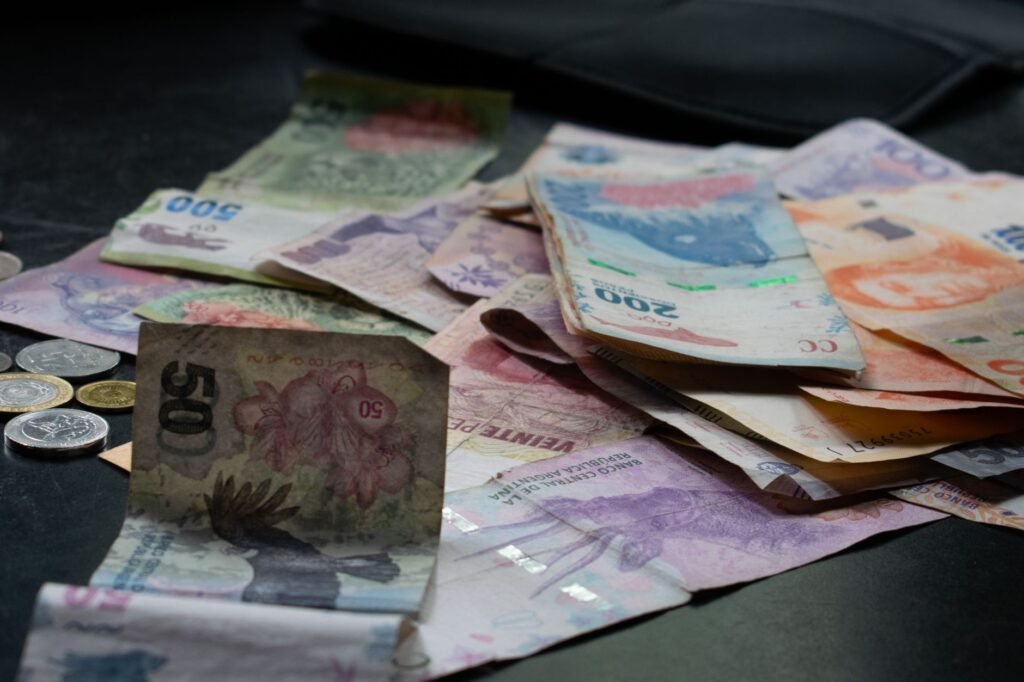

How do central bank interest rate hikes impact currency markets? This question lies at the heart of global finance, influencing everything from international trade balances to the cost of travel. When a nation’s central bank adjusts its benchmark interest rate, it sets off a chain reaction that directly affects the perceived value and demand for its currency on the global stage. Understanding this fundamental relationship is crucial for anyone looking to comprehend the dynamics of foreign exchange and international economics.
The Fundamental Link: Interest Rates and Capital Flows
At its core, the relationship between interest rates and currency values is driven by the flow of capital. When a central bank, such as the U.S. Federal Reserve or the European Central Bank, decides to raise its policy interest rate, it essentially makes holding that country’s currency more attractive to international investors. Higher interest rates typically translate into better returns on interest-bearing assets denominated in that currency, such as government bonds or savings accounts.
Consider an investor comparing two identical government bonds from different countries. If one country’s central bank has raised interest rates, making its bonds offer a higher yield, while the other’s rates remain low, the bond with the higher yield becomes more appealing. To invest in these higher-yielding assets, foreign investors must first acquire the domestic currency. This increased demand for the currency in the foreign exchange market leads to its appreciation relative to other currencies.
This phenomenon is often referred to as the ‘carry trade’, where investors borrow in a low-interest-rate currency and invest in a high-interest-rate currency, aiming to profit from the interest rate differential. Even if a full carry trade isn’t being executed, the simple search for better risk-adjusted returns globally will naturally steer capital towards economies offering higher interest rates, all else being equal. This influx of capital directly boosts demand for the local currency, pushing its value higher against others.
Understanding Exchange Rate Mechanisms
Demand and Supply Dynamics in Forex
The foreign exchange (forex) market operates on principles of supply and demand, much like any other market. When a central bank hikes interest rates, the currency effectively becomes a more desirable commodity. The increased demand from foreign investors seeking higher returns strengthens its position against other currencies. Conversely, if a central bank cuts interest rates, the currency may become less attractive, leading to capital outflows and a potential depreciation as investors seek better yields elsewhere.
For instance, if the Bank of England raises its benchmark rate, sterling-denominated assets become more appealing. Global investors looking to capitalize on this increased yield will need to buy pounds, increasing demand for GBP and potentially strengthening its exchange rate against currencies like the Euro or the US Dollar, whose central banks might be holding rates steady or lowering them.
Inflation Expectations and Policy Response
Central banks primarily adjust interest rates to manage inflation and stabilize economic growth. When inflation is high, as observed in many economies following the post-pandemic supply chain disruptions and geopolitical events leading into 2022-2024, central banks often raise rates to cool down the economy and bring price levels under control. A successful tightening of monetary policy that effectively tames inflation can enhance confidence in a currency’s long-term purchasing power, further supporting its value. However, if rate hikes are perceived as insufficient or detrimental to growth, the market’s reaction can be more complex.
Broader Economic Outlook
While interest rate differentials are a significant driver, they are not the sole determinant of currency movements. The overall economic health, political stability, and future growth prospects of a country also play a crucial role. A country with strong economic fundamentals, even if its interest rates aren’t the absolute highest, might still attract investment. Central bank decisions often reflect these broader economic conditions. For example, a rate hike that signals robust economic growth might have a more positive effect on a currency than a rate hike enacted purely out of necessity to combat stubborn inflation in a slowing economy.
Real-World Implications and Market Dynamics in 2026
As of 2026, many central banks globally continue to navigate complex economic landscapes, balancing inflation control with economic growth concerns. Following a period of aggressive rate hikes in the early 2020s to combat surging inflation, the monetary policy environment has seen various approaches. Some central banks might be contemplating the timing of potential rate cuts, while others could still be on alert for inflationary pressures. This creates a dynamic environment where the relative interest rate trajectories of major economies like the US, Eurozone, UK, and Japan are closely scrutinized by currency traders.
Impact on International Trade
The ripple effects of interest rate-driven currency movements extend far beyond financial markets. A stronger domestic currency resulting from interest rate hikes makes imports cheaper, which can help mitigate domestic inflation by reducing the cost of imported goods and raw materials. Conversely, it makes a country’s exports more expensive for foreign buyers, potentially impacting export-oriented industries and trade balances. For instance, a stronger US Dollar makes American goods pricier for international consumers, which could influence the competitiveness of US exporters on the global market.
On the other hand, a weaker currency makes imports more expensive but boosts the competitiveness of exports. Therefore, central banks must weigh the potential benefits of combating inflation through rate hikes against the potential negative impact on export sectors.
Implications for Investors and Consumers
For investors, understanding these dynamics is paramount. Portfolio managers often consider how changing interest rate differentials might influence returns on international bond or equity investments, as currency fluctuations can significantly impact overall performance. A significant appreciation of a foreign currency against an investor’s home currency can amplify gains from overseas investments, while depreciation can erode them. Some investors consider adjusting their international allocations based on anticipated shifts in monetary policy and currency valuations.
For consumers, currency strength affects the cost of foreign travel and imported goods. A stronger home currency means more purchasing power abroad, making international travel or online purchases from foreign vendors more affordable. Conversely, a weaker currency makes these activities more expensive.
Historical Context and Evolving Trends
Historically, periods of significant divergence in monetary policy have often led to substantial currency movements. For example, in the years following the Global Financial Crisis (roughly 2008-2015), many major central banks maintained historically low interest rates, leading to relatively muted interest rate differentials. However, the period from 2022 onwards saw a widespread shift towards aggressive rate hikes by many central banks in response to elevated inflation, leading to more pronounced currency volatility and the strengthening of currencies where rates rose faster and more significantly.
In 2026, while the immediate urgency of rate hikes may have subsided for some, the sensitivity of currency markets to any signals about future monetary policy remains high. Markets constantly analyze central bank communications, economic data releases, and geopolitical developments to anticipate the next moves, understanding that even small shifts in interest rate expectations can trigger notable currency reactions. This ongoing evaluation highlights the complex interplay of factors that determine a currency’s value, with interest rates serving as a primary, though not exclusive, lever.
Disclaimer: This article is provided for general informational and educational purposes only and does not constitute financial, investment, trading, or legal advice. Gainsium is not a registered investment advisor. Markets are volatile and past performance does not guarantee future results. Readers should conduct their own research and consult a licensed financial advisor before making any investment decisions.