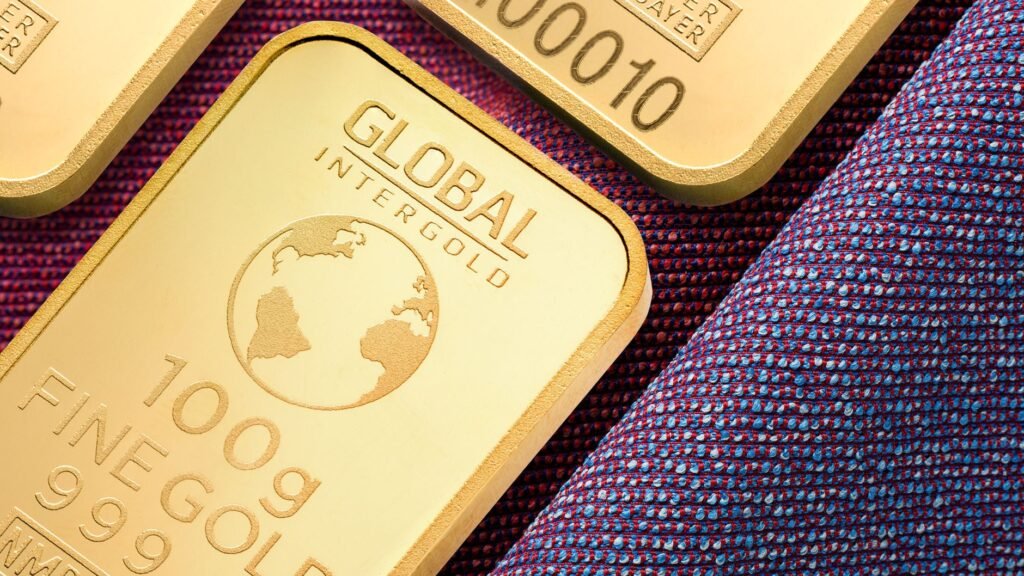

Precious metals have long been considered a cornerstone for diversifying investment portfolios, often sought for their potential to preserve wealth or offer growth during various economic cycles. When evaluating gold, silver, and platinum as investment options, understanding their distinct characteristics, market drivers, and roles is paramount. This article compares the investment characteristics of gold, silver, and platinum, helping readers understand their unique roles and potential returns in a portfolio in 2026, considering the evolving global economic landscape.
Understanding Precious Metals as Investments
Precious metals, particularly gold, silver, and platinum, have historically held a distinct place in various investment strategies. They are often viewed as stores of value, potential hedges against inflation, or safe havens during periods of economic or geopolitical uncertainty. While they share some overarching characteristics as tangible assets, their individual market dynamics, supply-demand profiles, and industrial applications lead to unique investment profiles.
In 2026, the global economic landscape continues to evolve, with ongoing discussions around inflation, interest rates, and geopolitical stability. These macroeconomic factors significantly influence the appeal and performance of each metal, making a nuanced understanding crucial for individuals considering exposure to this asset class.
Gold: The Traditional Safe Haven
Gold is often considered the quintessential safe-haven asset. Its value is less tied to industrial demand than its counterparts, primarily deriving from its monetary role, demand for jewelry, and investor sentiment.
Gold’s Market Dynamics
Historically, gold has tended to perform well during periods of high inflation or economic instability, as its intrinsic value provides a perceived hedge against currency depreciation. Central banks globally continue to hold substantial gold reserves, often increasing their holdings during times of uncertainty, which provides a foundational demand base.
In 2026, factors such as persistent inflationary pressures in some economies, combined with lingering geopolitical tensions, could maintain investor interest in gold’s traditional role. Interest rate policies by major central banks also play a significant role; higher real interest rates can sometimes dampen gold’s appeal as it does not offer a yield, but a return to lower rate environments or continued easy monetary policy could be supportive. Liquidity is generally high, making it relatively easier to buy and sell compared to some other precious metals. Storage costs and security are common considerations for those holding physical gold.
Silver: The Dual-Purpose Metal
Silver uniquely combines attributes of both a monetary metal and an industrial commodity. This dual nature often leads to higher volatility compared to gold, as its price can be influenced by both financial market sentiment and industrial economic activity.
Silver’s Market Dynamics
Approximately half of silver’s demand comes from industrial applications. Its exceptional electrical and thermal conductivity make it vital in electronics, solar panels, and electric vehicles (EVs). The global push towards green energy initiatives and technological advancement continues to fuel this industrial demand.
In 2026, the expansion of renewable energy infrastructure and the automotive industry’s ongoing shift towards electrification are widely expected to sustain strong industrial demand for silver. However, economic downturns can significantly impact this industrial demand, making silver more susceptible to broader economic cycles than gold.
As a monetary metal, silver also benefits from safe-haven flows, though often to a lesser extent and with more pronounced price swings than gold. Its lower price point per ounce makes it more accessible for some individuals seeking exposure to precious metals.
Platinum: The Industrial Luxury
Platinum is the rarest of the three metals, primarily valued for its significant industrial applications and luxury appeal. Its market is significantly smaller and often less liquid than that of gold or silver, which can contribute to greater price fluctuations.
Platinum’s Market Dynamics
The automotive industry is the largest consumer of platinum, predominantly in catalytic converters that reduce harmful emissions. Stricter global emissions standards continue to drive demand in this sector. Jewelry also represents a substantial demand segment, particularly in specific markets.
The supply of platinum is highly concentrated, with a vast majority coming from South Africa. This geographical concentration can introduce supply-side risks due to political instability, labor disputes, or mining operational challenges, which can impact global prices.
In 2026, the transition to electric vehicles (EVs) presents a complex outlook for platinum. While internal combustion engine (ICE) vehicles still dominate and stricter emissions standards continue to boost platinum demand for catalytic converters, the long-term growth in EVs could eventually reduce this key demand driver. However, new applications in hydrogen fuel cells and other emerging industrial uses could offer alternative growth areas, as some analysts have suggested, potentially mitigating some of the long-term automotive demand shift.
Key Investment Considerations for 2026
When evaluating which precious metal might align with an individual’s financial goals in 2026, several key factors warrant consideration:
Volatility and Liquidity
- Gold: Generally exhibits lower volatility compared to silver and platinum, with very high liquidity due to its extensive global market.
- Silver: Known for higher volatility, often amplifying gold’s movements, with moderate to high liquidity that can vary with market conditions.
- Platinum: Potentially high volatility due to its smaller market size and concentrated supply, typically lower liquidity compared to gold and silver.
Correlation with Other Assets
Precious metals often exhibit a low or sometimes negative correlation with traditional financial assets like stocks and bonds, particularly during periods of market stress. This characteristic can make them attractive for portfolio diversification, potentially reducing overall portfolio risk.
Economic Outlook
The global economic trajectory in 2026, including inflation rates, central bank interest rate policies, and industrial growth, will heavily influence these metals. Strong industrial growth tends to favor silver and platinum due to their significant industrial demand, while concerns about currency devaluation, inflation, or systemic risk often boost gold’s appeal as a safe haven.
Supply and Demand Fundamentals
Understanding the specific supply constraints and demand drivers for each metal is crucial. For instance, disruptions in mining operations, significant shifts in industrial technology, or changes in consumer preferences could materially impact prices. It is important to remember that all market forecasts are inherently uncertain, and past performance is not indicative of future results.
Diversifying with Precious Metals
For individuals considering precious metals exposure, the choice between gold, silver, and platinum often depends on their specific investment objectives, risk tolerance, and time horizon. Some investors might choose gold for its traditional safe-haven properties and relative stability, primarily seeking wealth preservation.
Others might look to silver for its potential growth tied to industrial innovation and its lower price point, accepting its higher volatility for potentially greater returns. Platinum, with its unique industrial profile and concentrated supply dynamics, could appeal to those seeking exposure to specialized industrial trends or diversification beyond gold and silver, acknowledging its potentially higher risk and lower liquidity.
One common approach is to consider a diversified allocation across these metals, perhaps weighting them according to their perceived roles in the current economic climate and a portfolio’s overall strategy. As Gainsium is not a registered investment advisor, this content serves as general education. Readers should consider their own financial situation and consult with qualified professionals before making any investment decisions.
Disclaimer: This article is provided for general informational and educational purposes only and does not constitute financial, investment, trading, or legal advice. Gainsium is not a registered investment advisor. Markets are volatile and past performance does not guarantee future results. Readers should conduct their own research and consult a licensed financial advisor before making any investment decisions.