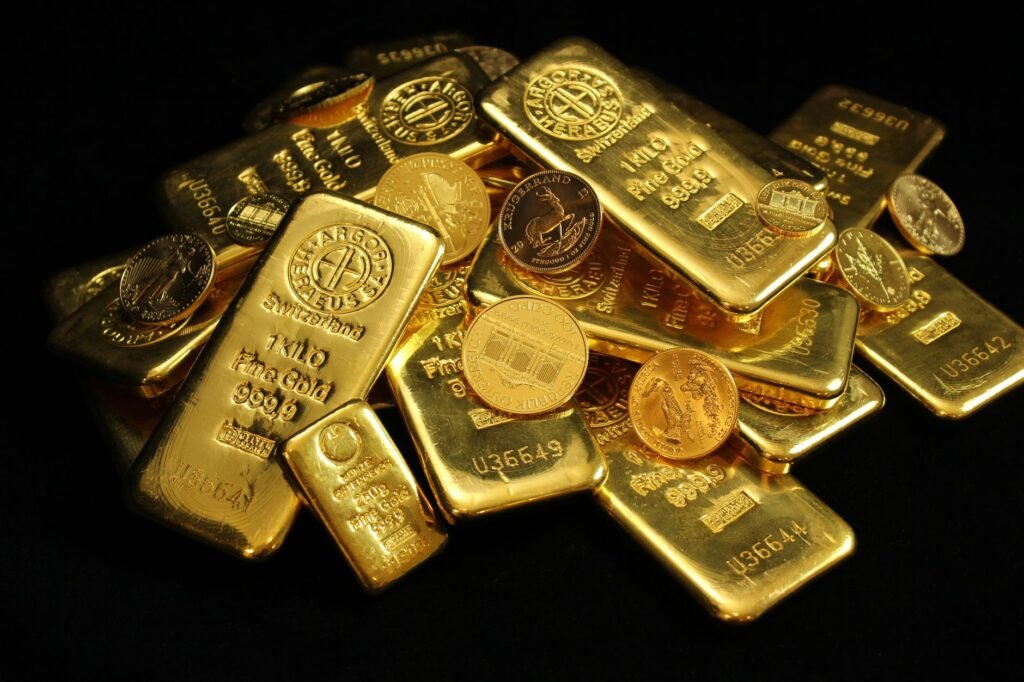

As investors look to diversify portfolios and hedge against economic uncertainties in 2026, the age-old debate between gold and silver as precious metal investments continues. Both metals have unique characteristics and market drivers that make them attractive for different investor goals. Understanding these distinctions is crucial for assessing their respective investment potential.
Historical Performance and Volatility
Historically, both gold and silver have served as stores of value, but their price movements often diverge. Gold is generally considered the more stable of the two, often acting as a safe haven during periods of economic instability, geopolitical turmoil, or high inflation. Its reputation as a long-term preserver of wealth stems from centuries of use as currency and its limited industrial applications compared to silver.
Silver, on the other hand, exhibits greater volatility. While it can offer significant upside potential during bull markets, it also tends to experience sharper declines during downturns. This increased volatility is largely due to its dual nature as both a precious metal and a critical industrial commodity. Over the past decades, silver’s price action has often mirrored that of industrial activity, while also responding to many of the same drivers as gold, albeit with higher beta.
Key Market Drivers and Economic Context in 2026
Gold’s Market Drivers in 2026
In 2026, several factors are expected to influence gold prices. Persistent global inflation concerns, even if moderating from previous peaks, could continue to support gold’s role as an inflation hedge. Geopolitical tensions, which have been a recurring theme in recent years, are likely to sustain safe-haven demand for gold. Central bank buying has also become a significant factor, with many nations reportedly continuing to diversify their reserves away from traditional fiat currencies, seeking the perceived stability of gold.
- Inflation Hedge: Continued concerns about purchasing power erosion could bolster gold demand.
- Geopolitical Uncertainty: Ongoing global instability often drives investors to allocate capital to safe-haven assets.
- Central Bank Demand: Diversification efforts by central banks are a notable structural support for gold.
- Interest Rates: The trajectory of global interest rates will remain a key influence, with lower real rates generally favoring non-yielding assets like gold.
Silver’s Market Drivers in 2026
Silver’s outlook in 2026 is uniquely tied to both investment demand and industrial applications. The push for green energy technologies, including solar panels and electric vehicles, continues to drive substantial industrial demand for silver, as it is a critical component in many of these applications. Electronics manufacturing also represents a significant portion of silver’s industrial use.
- Industrial Demand: The accelerating global transition to green energy and increased electronics production are major drivers.
- Investment Demand: Silver benefits from similar safe-haven and inflation-hedge characteristics as gold, often amplified by its smaller market size.
- Supply Dynamics: Mining output and recycling rates will continue to play a role in supply-demand equilibrium.
- Economic Growth: Stronger global economic growth generally correlates with increased industrial demand for silver.
Liquidity and Accessibility
Both gold and silver are highly liquid assets, meaning they can generally be bought and sold with relative ease and minimal impact on price. However, there are distinctions:
- Gold: The gold market is significantly larger and generally considered more liquid than silver. This means that large transactions can often be executed without substantial price fluctuations. Various investment vehicles, including physical bullion, exchange-traded funds (ETFs), and futures contracts, offer broad accessibility to gold.
- Silver: While still very liquid, the silver market is smaller and can experience wider price swings with large orders. Its industrial component means that market liquidity can sometimes be influenced by demand cycles from specific industries. Like gold, silver is accessible through physical bullion, ETFs, and futures, allowing for various entry points for investors.
Suitability for Different Investor Goals
The choice between gold and silver, or even a combination of both, depends heavily on an investor’s individual goals, risk tolerance, and time horizon.
Gold: For Stability and Wealth Preservation
For investors prioritizing wealth preservation, portfolio stability, and a hedge against systemic risk, gold is often the preferred choice. Its lower volatility compared to silver makes it a foundational asset for those seeking to mitigate the impact of economic downturns or currency devaluation. Many investors consider gold an effective long-term store of value, particularly in an environment where inflation may persist or geopolitical uncertainties loom.
Silver: For Growth Potential and Industrial Exposure
Silver appeals to investors seeking potentially higher growth opportunities and exposure to the industrial sector’s expansion. Its greater volatility means it has the potential for more significant percentage gains during upward market trends. Investors looking to capitalize on the increasing demand for metals in green technologies and electronics may find silver particularly attractive. However, this potential for higher returns comes with a commensurately higher risk profile.
Some investors also consider a strategy of holding both metals, allowing them to benefit from gold’s stability while capturing silver’s growth potential. This approach can offer diversification within the precious metals segment of a portfolio.
Ultimately, while both gold and silver offer unique benefits as investment assets, their distinct market drivers and risk-reward profiles necessitate careful consideration. Understanding the current economic climate of 2026, alongside their historical tendencies, can help investors align their choices with their broader financial objectives. As with any investment, thorough due diligence and a clear understanding of personal financial goals are paramount.
Disclaimer: This article is provided for general informational and educational purposes only and does not constitute financial, investment, trading, or legal advice. Gainsium is not a registered investment advisor. Markets are volatile and past performance does not guarantee future results. Readers should conduct their own research and consult a licensed financial advisor before making any investment decisions.