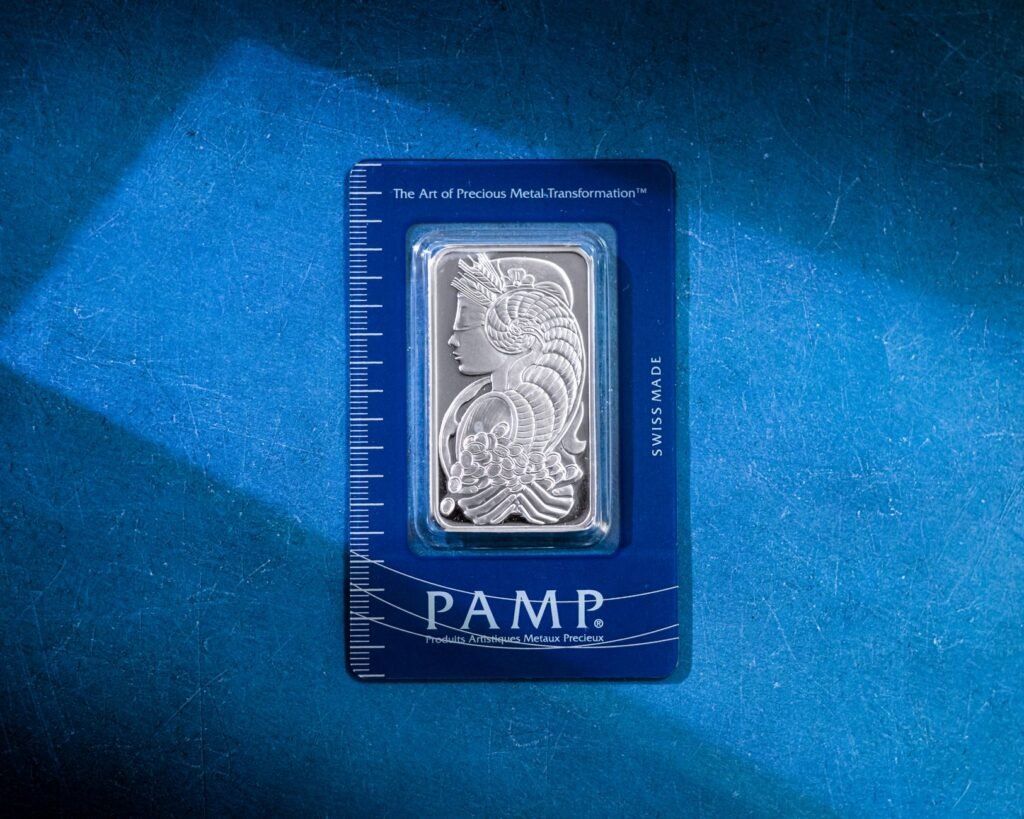

For precious metal investors considering their options in 2026, understanding the fundamental differences between gold and platinum is crucial. While both are considered precious metals, their market dynamics, primary demand drivers, and historical investment performance diverge significantly, making them suitable for potentially different roles within a diversified portfolio. This article explores these key distinctions to help investors navigate the precious metals landscape.
Gold: The Enduring Store of Value
Gold has long held a unique position in global finance, primarily recognized as a traditional safe-haven asset and a store of value. Its allure spans centuries, with demand consistently driven by its perceived ability to preserve wealth during times of economic uncertainty, inflation, and geopolitical instability.
Historical Role and Market Drivers
Historically, gold has served as a benchmark for currency, a critical component of jewelry, and a primary asset for central bank reserves. Its value is often seen as intrinsically stable, less susceptible to the performance of any single industry or nation’s economy. Key market drivers for gold include:
- Inflation Hedge: During periods of rising inflation, investors often turn to gold as a hedge against the erosion of purchasing power in fiat currencies.
- Geopolitical Uncertainty: In times of global unrest or political instability, gold tends to see increased demand as investors seek refuge from volatile equity markets.
- Central Bank Demand: Many central banks globally continue to add gold to their reserves, viewing it as a reliable asset and a diversifier away from sovereign debt and specific currencies. This institutional demand provides a significant underpinning for the market.
- Jewelry and Investment Demand: A substantial portion of gold demand comes from jewelry fabrication, particularly in emerging economies, and from retail investors seeking physical bullion, coins, or gold-backed exchange-traded funds (ETFs).
Investment Considerations for 2026
In 2026, gold continues to garner attention amidst ongoing global economic shifts. Concerns about persistent inflation in some major economies and a complex geopolitical landscape underscore its traditional role. The interest rate environment set by central banks also plays a significant role; higher real interest rates can sometimes make non-yielding assets like gold less attractive, while lower rates or expectations of rate cuts can enhance its appeal. Despite these factors, gold’s status as a fundamental safe-haven asset means many investors consider it a core component for wealth preservation, particularly when economic outlooks remain uncertain or when there are concerns about currency stability.
Platinum: The Industrial Innovator
In contrast to gold’s predominantly financial and ornamental demand, platinum’s market is heavily influenced by its industrial applications. Though also a rare and precious metal, platinum’s value proposition is more intricately tied to global economic growth and technological advancements.
Industrial Demand and Supply Dynamics
Platinum possesses unique catalytic properties, high density, and excellent corrosion resistance, making it indispensable in several key industries:
- Automotive Industry: This is historically platinum’s largest demand sector, primarily for catalytic converters in internal combustion engine (ICE) vehicles, where it helps reduce harmful emissions.
- Chemical and Petroleum Refining: Platinum catalysts are vital in various chemical processes, including the production of nitric acid and gasoline refining.
- Jewelry: Platinum’s natural white luster and durability make it a popular choice for high-end jewelry, though its market share is smaller than gold’s in this segment.
- Medical and Dental: Its biocompatibility makes it suitable for medical devices, pacemakers, and dental fillings.
- Emerging Technologies: Platinum is crucial in the developing hydrogen economy, used in proton exchange membrane (PEM) fuel cells for clean energy generation and in electrolyzers for green hydrogen production.
Supply dynamics are also critical for platinum. The vast majority of global platinum production originates from a few concentrated regions, most notably South Africa. This geographical concentration can lead to supply-side risks, including labor disputes, power shortages, or political instability, which can significantly impact market prices.
Investment Considerations for 2026
For 2026, platinum’s investment outlook is shaped by a confluence of factors. The ongoing transition in the automotive sector towards electric vehicles (EVs) poses a challenge to traditional platinum demand from gasoline-powered catalytic converters. However, this potential reduction in demand is being counterbalanced by growing interest and investment in the hydrogen economy. The expansion of hydrogen fuel cell technology for transportation, industrial uses, and power generation presents a significant new demand catalyst for platinum. Therefore, platinum’s performance can be seen as a bellwether for industrial growth and technological shifts, offering investors exposure to these evolving sectors.
Key Distinctions for Investors
Understanding the fundamental differences between gold and platinum is key to making informed investment decisions. Each metal offers unique characteristics that may appeal to different investment objectives.
Market Size and Liquidity
The gold market is significantly larger and generally far more liquid than the platinum market. Gold trades globally in substantial volumes, allowing for easier entry and exit for investors of all sizes. The platinum market, being smaller and with a more concentrated supply base, can sometimes exhibit lower liquidity. This can potentially lead to wider bid-ask spreads and more pronounced price movements on relatively smaller trading volumes compared to gold.
Volatility and Correlation
Platinum often demonstrates higher price volatility compared to gold. Because platinum’s demand is so heavily tied to industrial activity and specific sectors like automotive manufacturing, its price can be more sensitive to global economic cycles, technological shifts, and even supply disruptions. Gold, by contrast, is often considered less volatile, with its value more influenced by macroeconomic factors such as inflation, interest rates, and geopolitical stability. Gold often exhibits a
negative correlation with the US dollar and equity markets during periods of stress, whereas platinum’s price movements can be more positively correlated with global industrial production and economic expansion.
Role in a Diversified Portfolio
Given their distinct characteristics, gold and platinum can play different, yet complementary, roles in a diversified investment portfolio. Gold is typically favored as a defensive asset, serving as a hedge against inflation and economic uncertainty, and as a store of value. Investors often allocate to gold to provide stability and capital preservation. Platinum, on the other hand, can be considered a more cyclical investment. It offers exposure to industrial growth, technological innovation (particularly in the green energy sector), and global economic health. For investors seeking potential growth tied to industrial demand and emerging technologies, platinum might be an attractive component. However, its higher volatility necessitates a careful assessment of risk tolerance.
Conclusion
In 2026, both gold and platinum continue to offer distinct opportunities for precious metal investors. Gold remains the venerable safe haven, valued for its stability and role in wealth preservation amidst macroeconomic uncertainties. Platinum, while sharing the precious metal designation, stands out as an industrial powerhouse, with its value closely linked to manufacturing, technological advancements, and the burgeoning hydrogen economy. The choice between investing in gold, platinum, or a combination of both ultimately depends on an investor’s individual financial objectives, risk appetite, and outlook on global economic and technological trends. Understanding these fundamental differences is paramount to integrating either metal effectively into a well-considered investment strategy.
Disclaimer: This article is provided for general informational and educational purposes only and does not constitute financial, investment, trading, or legal advice. Gainsium is not a registered investment advisor. Markets are volatile and past performance does not guarantee future results. Readers should conduct their own research and consult a licensed financial advisor before making any investment decisions.