
Understanding commodity prices requires looking beyond the fundamental forces of supply and demand, especially in the complex global market of 2026. While the basic economic principles of scarcity and availability remain foundational, a confluence of macroeconomic, geopolitical, environmental, and financial factors significantly shape the trajectory of raw materials, from energy and metals to agricultural products. For those seeking to comprehend the underlying dynamics of these vital markets, a deeper analysis reveals a tapestry of interconnected influences that extend far beyond simple production figures and consumption rates.
Macroeconomic Currents: Shifting Global Economic Landscapes
The health of the global economy serves as a powerful, albeit indirect, driver of commodity prices. Economic growth generally correlates with increased demand for raw materials to fuel industrial production, infrastructure development, and consumer goods manufacturing. Conversely, economic slowdowns or recessions often lead to decreased demand, putting downward pressure on prices.
Inflationary Pressures and Monetary Policy
In 2026, inflationary concerns continue to be a prominent theme in many major economies. Commodities, particularly hard assets, are historically viewed by some as a hedge against inflation. When the purchasing power of fiat currencies erodes, physical assets tend to retain or even increase their nominal value. Central bank policies, especially interest rate decisions, play a crucial role here. Higher interest rates can strengthen a currency, making dollar-denominated commodities more expensive for international buyers, potentially dampening demand. Conversely, lower rates can weaken a currency and make commodities more attractive. The ongoing dance between controlling inflation and supporting economic growth by central banks globally creates a volatile environment for commodity markets.
Currency Valuations and the U.S. Dollar
The U.S. dollar’s strength or weakness holds particular sway over globally traded commodities, as many are benchmarked in dollars. A stronger dollar makes commodities more expensive for buyers using other currencies, which can suppress demand. A weaker dollar has the opposite effect. The relative economic performance of major global blocs, trade balances, and capital flows all contribute to currency fluctuations, which in turn ripple through commodity markets. Understanding the interplay between a nation’s monetary policy and its currency’s valuation is therefore essential for anticipating commodity price movements.
Geopolitical Crossroads and Policy Shifts: Shaping Resource Access
Geopolitics exerts an undeniable and often sudden influence on commodity prices. Disruptions to supply chains, changes in trade relations, and regional conflicts can have immediate and far-reaching effects.
Geopolitical Tensions and Supply Chain Resilience
In 2026, lingering geopolitical tensions in various regions continue to pose risks to the stable flow of commodities. Conflicts, political instability, and trade disputes can directly impact resource-rich areas or crucial transit routes, leading to supply disruptions. For instance, disruptions in key oil-producing regions can send energy prices soaring, while trade restrictions on essential minerals can create bottlenecks for high-tech industries. Nations and corporations are increasingly focusing on supply chain resilience, seeking diversification and strategic reserves to mitigate such risks, but the threat remains omnipresent.
Government Policies and Regulatory Frameworks
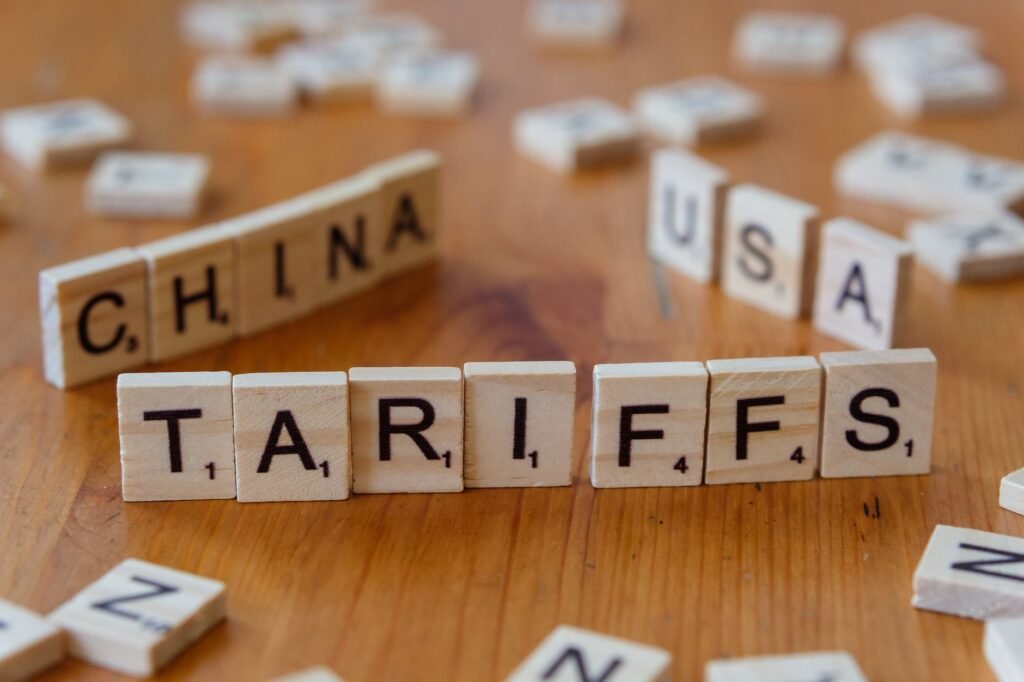
Government policies, ranging from environmental regulations to trade tariffs and energy transition mandates, are significant drivers. Policies aimed at decarbonization, for example, can boost demand for “green” metals like lithium, cobalt, and copper, while simultaneously discouraging investment in fossil fuel production. Subsidies for specific industries or technologies can also alter demand patterns. Furthermore, national resource policies, such as export restrictions or mandates for domestic processing, can directly affect global supply availability and pricing for certain commodities.
Environmental Imperatives and Technological Evolution: Long-Term Shifts
The long-term impacts of climate change and rapid technological advancements are fundamentally reshaping both the supply and demand sides of commodity markets.
Climate Change and Extreme Weather Events
Climate change is not merely an abstract concept; its physical manifestations directly influence commodity supplies. Extreme weather events, such as droughts, floods, and severe storms, can devastate agricultural harvests, leading to spikes in food commodity prices. Similarly, these events can disrupt mining operations or energy infrastructure, impacting production and transportation. The increasing frequency and intensity of such events mean that environmental factors are becoming a more consistently volatile input in commodity price models, moving beyond seasonal variations to longer-term structural risks.
Technological Advancements and Efficiency Gains
Technological innovation impacts commodity markets in several ways. On the supply side, new extraction techniques, such as advanced drilling technologies or improved mining processes, can increase the availability of resources, potentially lowering production costs. On the demand side, advancements in material science can lead to the development of substitutes or more efficient use of existing materials, reducing demand for certain commodities. Furthermore, the rapid growth of technologies like electric vehicles and renewable energy storage creates unprecedented demand for specific raw materials, fundamentally altering the commodity landscape.
Financialization and Market Structure: Beyond Physical Flows
Commodity markets are not solely driven by the physical exchange of goods; financial factors and market structure play an increasingly vital role, sometimes decoupled from immediate physical supply and demand dynamics.
The Role of Financial Markets and Speculation
The financialization of commodities, where raw materials are increasingly traded as financial assets, adds another layer of complexity. Futures contracts, exchange-traded funds (ETFs), and various derivatives allow financial institutions and speculative investors to participate in commodity markets without taking physical delivery. This financial trading can amplify price movements, create liquidity, and sometimes contribute to price volatility independent of immediate physical supply and demand. Market sentiment, algorithmic trading, and large institutional flows can all create momentum that influences prices. While such financial activity provides critical capital and price discovery, its potential to detach prices from physical fundamentals is a widely discussed topic among market observers.
Inventory Levels and Strategic Reserves
Beyond immediate supply and demand, the levels of existing inventories and strategic reserves significantly influence market psychology and pricing. High inventory levels for a particular commodity can signal ample supply, typically putting downward pressure on prices, even if current production is tight. Conversely, depleted inventories suggest a scarcity, potentially leading to price increases. Government-held strategic reserves, such as oil reserves, can be released or acquired based on geopolitical or economic considerations, directly impacting market balances and investor expectations, and thus influencing price trajectories.
Conclusion
Commodity prices in 2026 are shaped by a dynamic interplay of forces that extend well beyond the basic tenets of supply and demand. Macroeconomic trends, intricate geopolitical landscapes, evolving environmental challenges, rapid technological shifts, and the pervasive influence of financial markets all contribute to a complex pricing mechanism. For market participants and observers, a holistic understanding of these diverse factors is essential for navigating the inherent volatility and opportunities within the global commodity arena. It underscores that while fundamentals are important, the broader context of the world’s economic, political, and environmental state provides the crucial additional layers of insight.
Disclaimer: This article is provided for general informational and educational purposes only and does not constitute financial, investment, trading, or legal advice. Gainsium is not a registered investment advisor. Markets are volatile and past performance does not guarantee future results. Readers should conduct their own research and consult a licensed financial advisor before making any investment decisions.