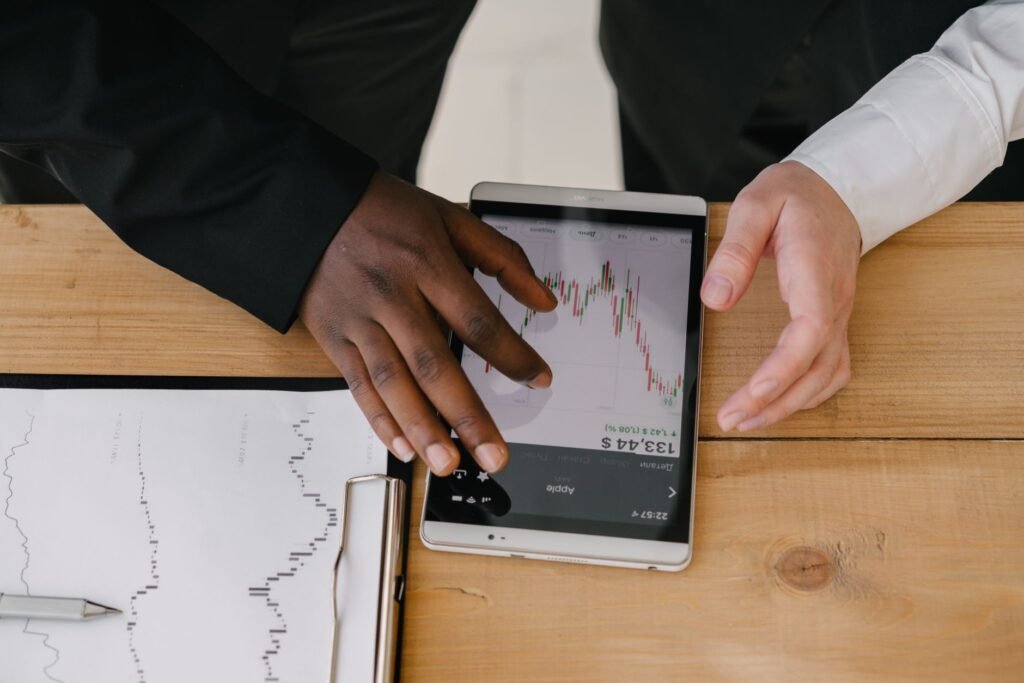

For individuals considering entry into the dynamic world of trading in 2026, a pivotal decision often emerges: whether to embrace the automated precision of algorithmic trading or the adaptive intuition of manual trading. This article will explore the advantages, disadvantages, and overall suitability of each approach for beginners, aiming to provide a clear perspective on which path might best align with evolving goals and available resources in the current market landscape.
Algorithmic Trading: The Automated Frontier
Algorithmic trading, often referred to as algo trading or automated trading, involves using computer programs to execute trades based on predefined sets of rules and conditions. These algorithms can analyze market data, identify trends, and place orders at speeds and volumes impossible for a human trader. As financial markets continue to integrate advanced technologies, the sophistication and accessibility of algorithmic trading platforms have grown significantly by 2026, making it an increasingly relevant consideration for those entering the field.
Advantages of Algorithmic Trading
- Speed and Efficiency: Algorithms can react to market changes and execute trades in milliseconds, often capitalizing on fleeting opportunities that human traders would miss.
- Elimination of Emotional Bias: Automated systems adhere strictly to their programmed rules, removing the detrimental impact of fear, greed, or other psychological factors that can impair manual decision-making.
- Backtesting Capabilities: Before deploying an algorithm, traders can test its performance against historical data to evaluate its potential profitability and risk, allowing for refinement and optimization.
- Simultaneous Monitoring: An algorithm can monitor multiple markets and instruments concurrently, a feat beyond human capacity.
- Reduced Transaction Costs: By optimizing entry and exit points, algorithms can sometimes reduce the per-trade impact of commissions and slippage.
Disadvantages of Algorithmic Trading
- Technical Expertise Required: Developing, testing, and maintaining effective algorithms often demands proficiency in programming, quantitative analysis, and financial modeling. While some platforms offer simpler ‘no-code’ solutions, understanding the underlying logic is still crucial.
- High Initial Setup Costs: Accessing robust trading platforms, reliable data feeds, and powerful computing infrastructure can be a significant upfront expense for beginners.
- Risk of Over-Optimization: Algorithms can be designed to perform exceptionally well on historical data but may fail to adapt to new or unforeseen market conditions, leading to poor real-world results.
- System Failures: Technical glitches, power outages, or connectivity issues can lead to missed opportunities or unintended trades.
- Lack of Flexibility: Algorithms operate on predefined rules and may struggle to adapt to truly novel market events or ‘black swan’ scenarios that fall outside their programming.
Suitability for Beginners in 2026
For beginners with a strong aptitude for technology, an interest in quantitative analysis, and access to sufficient capital for tools and education, algorithmic trading could be a powerful path. However, it demands a significant initial investment in learning and development. It is often more suited for those who prefer a systematic, data-driven approach and are comfortable with the technical intricacies involved, rather than relying on gut feelings or real-time market interpretation.
Manual Trading: The Human Touch
Manual trading involves a human trader actively making buy and sell decisions, executing orders, and managing positions. This approach relies on a trader’s personal analysis, interpretation of market news, technical indicators, and fundamental data. Despite the rise of automation, manual trading remains a popular and viable method, particularly for those who value direct control and the ability to interpret nuanced market signals.
Advantages of Manual Trading
- Adaptability and Intuition: Human traders can quickly adapt to unforeseen market developments, process qualitative information (like geopolitical news or analyst sentiment), and exercise discretion that algorithms cannot.
- Lower Entry Barrier: While education is crucial, manual trading generally requires less technical expertise and upfront capital for specialized software compared to algorithmic trading. Basic charting tools and a brokerage account are often sufficient to start.
- Learning Opportunity: Manual trading provides a direct, hands-on learning experience that can foster a deeper understanding of market dynamics, human psychology, and personal risk tolerance.
- Flexibility in Strategy: Traders can easily pivot between strategies, asset classes, and timeframes based on their real-time assessment of market conditions.
Disadvantages of Manual Trading
- Emotional Biases: Fear of loss and greed for profit can lead to impulsive decisions, deviation from a trading plan, and ultimately, significant losses. Managing trading psychology is a continuous challenge.
- Time-Consuming: Manual trading demands constant attention, research, and analysis, making it a significant time commitment, especially for active day traders.
- Limited Processing Power: Human traders can only process a finite amount of information and react at a much slower pace than algorithms, potentially missing rapid market movements.
- Human Error: Mistakes in order entry, analysis, or risk management are always a possibility, regardless of experience level.
- Scalability Issues: It is challenging to scale manual trading operations significantly without substantial time investment or delegating tasks.
Suitability for Beginners in 2026
Manual trading is often a more accessible starting point for many beginners, particularly those with limited technical backgrounds or smaller initial capital. It suits individuals who enjoy direct engagement with the markets, are keen to develop their analytical skills, and are committed to mastering trading psychology. The learning curve can be steep, but the direct experience gained can be invaluable for understanding market behavior.
Choosing Your Path in 2026: What to Consider
The decision between algorithmic and manual trading is not a one-size-fits-all answer. As 2026 unfolds, factors such as increasing retail access to advanced tools and continued market volatility suggest that both paths will continue to evolve and present unique opportunities and challenges.
Resources and Capital
- Algorithmic Trading: Often requires a higher initial investment in software, data subscriptions, and potentially coding education. Individuals pursuing this route should anticipate these costs.
- Manual Trading: Can start with minimal capital beyond a brokerage account, though adequate capitalization is still essential for effective risk management. Educational resources are widely available, many at low or no cost.
Time Commitment and Learning Curve
- Algorithmic Trading: Demands significant upfront time for strategy development, backtesting, and debugging. Once deployed, maintenance and monitoring are still required.
- Manual Trading: Requires ongoing time for market analysis, strategy refinement, and trade execution. The learning process is continuous and often iterative.
Psychological Demands
- Algorithmic Trading: While emotions are removed from execution, the psychological pressure comes from trusting the system, managing technical issues, and dealing with drawdowns even when the algorithm is
Disclaimer: This article is provided for general informational and educational purposes only and does not constitute financial, investment, trading, or legal advice. Gainsium is not a registered investment advisor. Markets are volatile and past performance does not guarantee future results. Readers should conduct their own research and consult a licensed financial advisor before making any investment decisions.