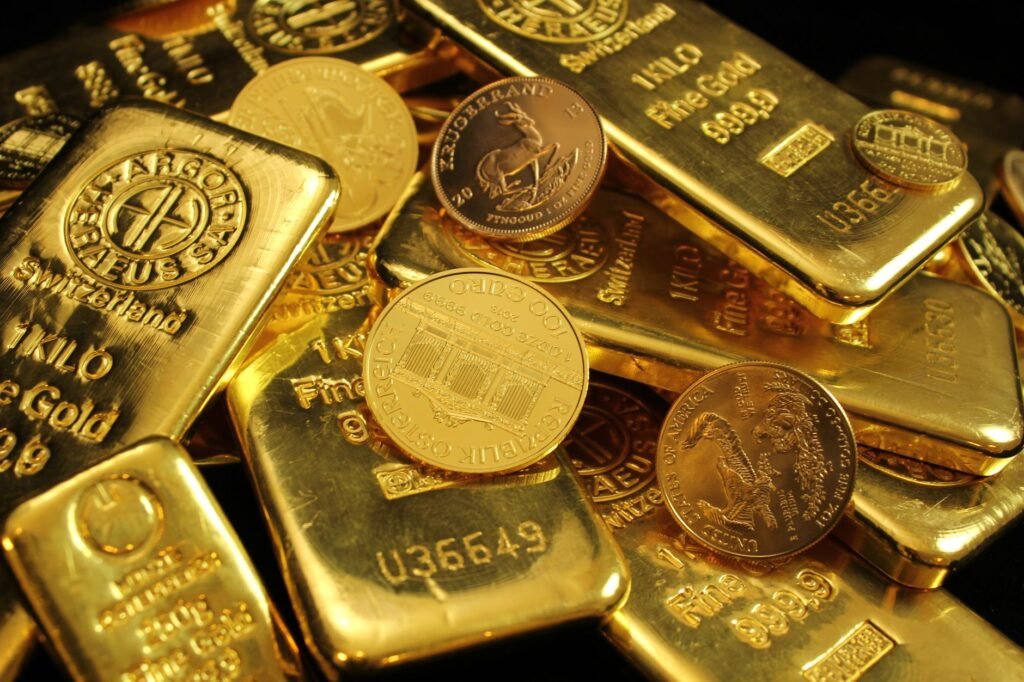

In 2026, as economies navigate a complex global landscape, many investors continue to evaluate strategies to protect purchasing power against the persistent threat of inflation. Gold has long been considered a traditional inflation hedge, and its role in safeguarding wealth against rising prices remains a pertinent topic for those seeking portfolio resilience. This article explores the historical performance and underlying mechanisms that allow gold to act as a hedge against inflation, examining how these principles apply within the current economic environment of 2026.
The Historical Relationship Between Gold and Inflation
Throughout history, gold has often demonstrated a unique relationship with inflation. When the purchasing power of fiat currencies declines due to rising prices, gold has, at times, retained or even increased its value in real terms. This characteristic stems from its perception as a universal store of value, independent of any single government’s fiscal or monetary policy.
Gold as a Store of Value
Unlike paper currencies, gold cannot be printed or created at will by central banks. Its supply is finite and requires significant effort to extract from the earth. This inherent scarcity, coupled with its enduring appeal as a precious metal, allows gold to function as a tangible asset that has historically maintained its value across different civilizations and economic eras. During periods when confidence in traditional financial assets wanes, or when inflationary pressures erode the value of cash and bonds, the stability offered by a physical asset like gold can become particularly appealing.
Performance During High Inflation Periods
Historically, gold has shown a tendency to perform well during periods of high and persistent inflation. While not always a perfectly correlated relationship on a short-term basis, over longer horizons, gold has often served as a defensive asset. When the cost of living rises significantly, and interest rates on savings accounts or bonds may not keep pace, the demand for assets perceived as inflation-resistant, like gold, can increase. This increased demand, driven by investors seeking to preserve their capital, contributes to gold’s ability to act as a hedge.
Understanding Gold’s Inflation-Hedging Mechanisms
Gold’s efficacy as an inflation hedge is rooted in several key mechanisms that differentiate it from other asset classes.
Intrinsic Value and Scarcity
Gold possesses an intrinsic value derived from its physical properties, its use in jewelry, technology, and its cultural significance. This intrinsic value is not tied to the profitability of a company or the creditworthiness of a government. Its scarcity means that its supply cannot be easily manipulated, making it less susceptible to the inflationary effects of an expanding money supply compared to assets denominated in fiat currency.
Absence of Counterparty Risk
Unlike bonds, which represent a promise to pay from a borrower, or stocks, which represent ownership in a company, physical gold carries no counterparty risk. Owning physical gold means holding a tangible asset directly, without reliance on a third party to fulfill an obligation. This characteristic is particularly valuable during times of economic uncertainty or when fears about the stability of financial institutions or government debt emerge, as it provides a direct claim to wealth that is not subject to default risk.
Demand from Central Banks and Diversification
Central banks globally continue to hold significant reserves of gold, often increasing their allocations during periods of economic instability or as a hedge against currency devaluation and inflation. This institutional demand underpins gold’s market stability. Furthermore, many investors view gold as a crucial component of a diversified portfolio, capable of offsetting potential losses in other asset classes during inflationary environments. Its typically low correlation with traditional stocks and bonds can help stabilize overall portfolio returns when inflation is high.
Gold’s Relevance in the 2026 Economic Landscape
In 2026, the global economic environment continues to present conditions where gold’s inflation-hedging properties remain pertinent.
Persistent Inflationary Pressures
While inflation rates may fluctuate, the underlying pressures that emerged in the early 2020s, such as supply chain disruptions, geopolitical tensions, and shifting global trade dynamics, continue to influence price levels. Some economies in 2026 are still grappling with inflation above long-term targets, leading many analysts to suggest a sustained focus on inflation protection strategies. In such an environment, gold’s historical role as a hedge against rising costs can become a more prominent consideration for investors.
Geopolitical Stability and Market Uncertainty
The geopolitical landscape in 2026 is characterized by various points of tension and uncertainty, which often translate into market volatility. During times of global instability, gold frequently sees increased demand as a safe-haven asset. While not directly an inflation mechanism, the flight to safety often coincides with periods where investors are also concerned about the long-term stability of currencies and purchasing power, reinforcing gold’s appeal as a protective asset.
Investor Sentiment and Diversification
Investor sentiment in 2026 continues to reflect a cautious approach to portfolio management, with a strong emphasis on diversification and risk mitigation. For those concerned about the potential for further currency debasement or prolonged inflationary cycles, an allocation to gold is often considered a prudent measure. It provides a non-yielding asset that can potentially preserve capital during times when traditional financial assets might struggle to keep pace with inflation.
Considerations for Incorporating Gold as an Inflation Hedge
While gold offers distinct advantages as an inflation hedge, investors typically consider several factors before integrating it into a financial strategy.
Volatility and Opportunity Cost
It is important to acknowledge that gold prices can experience short-term volatility. While its long-term trend may show resilience during inflationary periods, its price can fluctuate based on a variety of factors, including interest rate expectations, U.S. dollar strength, and market sentiment. Furthermore, gold typically does not generate income, such as dividends or interest, presenting an opportunity cost compared to income-generating assets. Investors often weigh these aspects against gold’s potential for capital preservation.
Allocation Strategies
For those considering gold as an inflation hedge, typical approaches involve allocating a modest portion of a portfolio to the metal. This could include holding physical gold, investing in gold-backed exchange-traded funds (ETFs), or engaging with gold mining stocks. The specific allocation percentage often depends on an individual’s risk tolerance, investment horizon, and overall financial goals, with the primary objective being diversification and wealth preservation rather than speculative returns.
Ultimately, gold’s role as an inflation hedge in 2026 continues to be rooted in its historical characteristics as a scarce, tangible asset with intrinsic value and an absence of counterparty risk. While it is not a perfect hedge in all circumstances and is subject to market dynamics, its enduring appeal as a store of value makes it a relevant consideration for investors seeking to protect their purchasing power amidst ongoing inflationary pressures and economic uncertainties.
Disclaimer: This article is provided for general informational and educational purposes only and does not constitute financial, investment, trading, or legal advice. Gainsium is not a registered investment advisor. Markets are volatile and past performance does not guarantee future results. Readers should conduct their own research and consult a licensed financial advisor before making any investment decisions.