
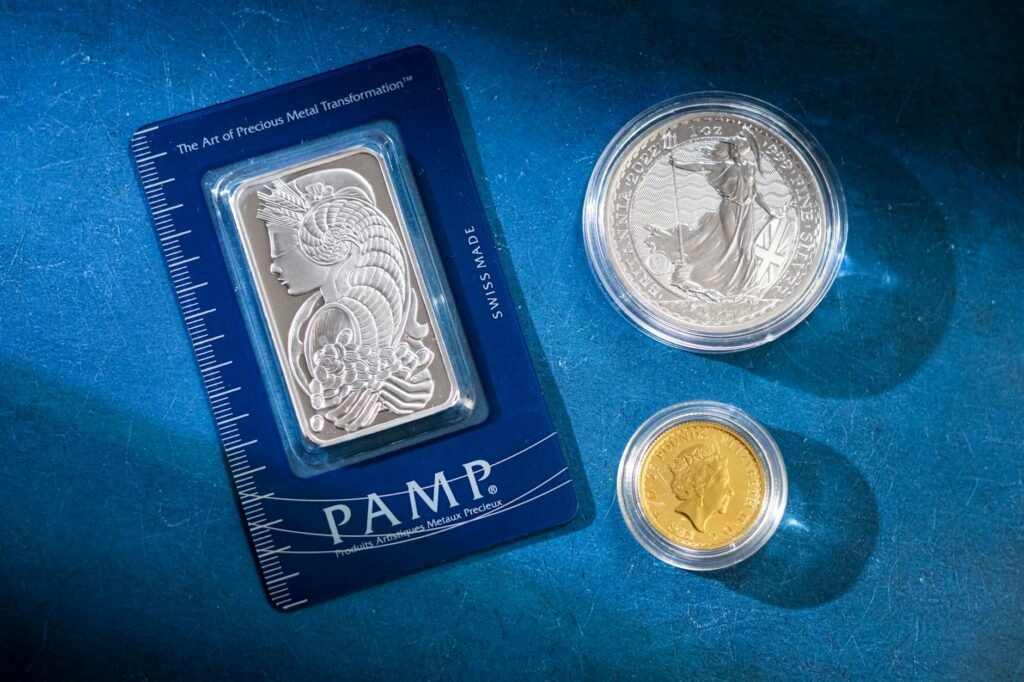

In the evolving landscape of 2026, while gold often commands the spotlight as the ultimate safe-haven asset, its gleaming cousin, silver, quietly presents a compelling and multifaceted investment proposition. Often dubbed ‘the poor man’s gold,’ this moniker dramatically undervalues silver’s unique position at the intersection of industrial necessity and monetary hedge. For astute investors looking to diversify and capitalize on distinct market dynamics, understanding silver’s potential in the coming year is paramount. Gainsium delves into why silver, with its dual identity, might be one of the most intriguing precious metals to watch and invest in throughout 2026.
The Industrial Engine: Powering Silver’s 2026 Demand
Unlike gold, which is predominantly a store of value and jewelry metal, a significant portion of annual silver demand is driven by industrial applications. In 2026, this industrial appetite is not just robust; it’s accelerating, fueled by global decarbonization efforts and technological advancements. This makes silver’s price highly sensitive to economic growth and innovation trends.
Solar Energy’s Insatiable Appetite
The global push for renewable energy remains a powerful narrative in 2026. Solar photovoltaic (PV) technology, which heavily relies on silver pastes for electrical conductivity, continues its exponential growth. Governments worldwide are intensifying their commitments to net-zero targets, driving unprecedented investment in solar infrastructure. This means a sustained, high-volume demand for silver from the solar sector, a trend projected to strengthen further as new, more efficient solar panel designs are integrated.
EVs, 5G, and the Digital Revolution
Beyond solar, the electrification of transport and the expansion of digital infrastructure are major silver consumers. Electric Vehicles (EVs) require multiple silver components for switches, circuit breakers, and battery connections, ensuring reliability and conductivity. The ongoing global rollout of 5G networks, demanding advanced electronics, and the proliferation of IoT devices further bolster demand. As these sectors mature and expand in 2026, they lock in consistent, increasing demand for silver, making its industrial role indispensable.
Medical & Green Technologies
Silver’s antimicrobial properties make it invaluable in medical devices, water purification systems, and consumer electronics. As health-tech innovation progresses and global water scarcity issues become more pressing, demand for silver in these critical applications is also seeing a steady uptick. In 2026, new green technologies, from advanced filtration systems to sustainable packaging, are increasingly incorporating silver for its unique properties, adding another layer to its industrial demand story.
The Gold/Silver Ratio in 2026: A Compass for Value
One of the most traditional and insightful metrics for precious metal investors is the gold/silver ratio – the number of ounces of silver it takes to buy one ounce of gold. Historically, this ratio has fluctuated wildly, but its long-term average has hovered around 60:1 or 70:1. In early 2026, the ratio has consistently traded in a range that many analysts consider elevated, perhaps sitting somewhere between 80:1 and 90:1.
- Understanding the Signal: When the ratio is high, it suggests silver is undervalued relative to gold, indicating a potential for silver to outperform gold as the ratio mean-reverts. Conversely, a low ratio (e.g., 40:1) would suggest silver is relatively expensive.
- 2026 Implications: With the ratio remaining stubbornly high through much of late 2025 and into 2026, it implies that the market may not yet be fully pricing in silver’s robust industrial demand or its increasing scarcity. Investors eyeing long-term value may see the current ratio as a compelling entry point for silver, anticipating a future narrowing of the spread. A significant move downwards in this ratio could signal a strong bullish run for silver.
Navigating Silver Investments: Options for 2026
Investing in silver offers several avenues, each with its own risk-reward profile and accessibility. Understanding these options is key to building a diversified silver portfolio for 2026.
Physical Silver: Tangible Security
For investors seeking a direct, tangible asset, physical silver in the form of coins (e.g., American Silver Eagles, Canadian Silver Maples) or bars remains a popular choice. This option provides direct ownership and protection against counterparty risk. However, it comes with storage costs, insurance considerations, and often a premium over the spot price, especially for smaller denominations. Physical silver is ideal for those prioritizing long-term wealth preservation and a hedge against systemic risk.
Silver-Backed ETFs: Liquidity and Accessibility
Exchange Traded Funds (ETFs) that hold physical silver offer a convenient way to gain exposure to the metal’s price movements without the complexities of physical storage. ETFs like the iShares Silver Trust (SLV) or Aberdeen Standard Physical Silver Shares ETF (SIVR) provide liquidity and allow investors to trade silver like a stock. They typically have lower transaction costs compared to buying physical bullion but introduce some counterparty risk associated with the fund provider.
Silver Mining Stocks: Leveraged Exposure
Investing in silver mining companies can offer leveraged exposure to silver prices. As the price of silver rises, miners’ profit margins can expand significantly, leading to outsized returns for shareholders. However, this leverage works both ways; declining silver prices can severely impact profitability. In 2026, when evaluating silver mining stocks, consider these critical factors:
- Cost of Production (All-in Sustaining Costs – AISC): Look for companies with low AISC, indicating efficiency and resilience against price drops.
- Reserves and Resources: Assess the company’s proven and probable silver reserves for long-term production viability.
- Geopolitical Risk: Mines located in stable political jurisdictions generally present lower operational risks.
- Debt Levels: High debt can be a burden during commodity price downturns.
- Exploration Potential: Companies with promising exploration projects can offer future growth.
Prominent silver miners often include companies like Fresnillo PLC, Pan American Silver, and Wheaton Precious Metals (a streaming company). Conduct thorough due diligence before committing capital to individual mining equities.
Key Catalysts and Considerations for Silver in 2026
Several macro and micro factors will influence silver’s trajectory in 2026:
- Global Economic Health: A robust global economy fuels industrial demand, while a downturn could dampen it.
- Monetary Policy: Interest rate decisions by central banks, particularly the Federal Reserve, impact the attractiveness of non-yielding assets like silver. However, persistent inflationary pressures could boost silver’s appeal as a hedge.
- Supply Dynamics: New mine discoveries, production disruptions, and environmental regulations can affect global silver supply.
- Investment Demand: Shifting investor sentiment, geopolitical tensions, and fears of currency debasement can drive spikes in investment demand.
Conclusion
As we navigate 2026, silver stands as a uniquely positioned precious metal. Its indispensable role in the burgeoning green energy transition and digital economy provides a strong industrial demand floor, while its traditional function as a monetary hedge offers protection against economic uncertainties. The elevated gold/silver ratio further signals a potential for significant upside as the market re-evaluates its intrinsic value. Whether through physical holdings, ETFs, or carefully selected mining stocks, integrating silver into a diversified portfolio in 2026 could prove to be a strategic move for investors seeking growth, stability, and a hedge against the future. Don’t let gold’s glitter overshadow the multifaceted potential of the other precious metal.