

As we navigate the dynamic financial landscape of 2026, many investors are re-evaluating their portfolios for growth and stability. While gold often steals the spotlight, its lustrous counterpart, silver, quietly presents a compelling case. Often dubbed ‘the poor man’s gold,’ silver is anything but simplistic. It boasts a unique dual identity as both a precious metal and a vital industrial commodity, making its investment outlook for 2026 particularly intriguing. This complete guide will delve into the multifaceted world of silver investing, exploring industrial demand, the pivotal gold/silver ratio, and opportunities in mining stocks.
Silver’s Dual Engine: Industrial Demand & Investment Appeal in 2026
Unlike gold, whose demand is predominantly driven by jewelry and investment, silver’s fate is inextricably linked to technological advancement and industrial output. For 2026, this industrial component is more robust than ever, positioning silver as a critical element in the global push towards innovation and sustainability.
Surging Industrial Demand: The Backbone of Silver’s Value
- Solar Power (Photovoltaics): The global commitment to renewable energy continues to accelerate into 2026. Silver remains an indispensable component in photovoltaic cells. With new government incentives and decreasing costs driving solar adoption worldwide, demand from this sector is projected to maintain its strong upward trajectory.
- Electric Vehicles (EVs): The EV revolution shows no signs of slowing down. Silver is crucial in various electrical contacts, switches, and conductive adhesives within EVs. As manufacturers scale up production and battery technology evolves, the silver content per vehicle could even increase in specialized applications, ensuring consistent demand.
- 5G Technology & Electronics: The rollout of 5G infrastructure, coupled with the ever-expanding universe of consumer electronics, IoT devices, and advanced medical equipment, guarantees a steady appetite for silver’s superior electrical conductivity. The miniaturization trend in electronics often requires more precise and efficient materials, favoring silver.
- Green Infrastructure & Emerging Technologies: Beyond solar and EVs, silver is finding its way into a host of other green technologies and high-tech applications, from water purification systems to advanced medical imaging. This diversification of industrial uses provides a resilient floor for demand, mitigating risks from any single sector slowdown.
Given these trends, industrial demand for silver in 2026 is expected to remain exceptionally strong, potentially outstripping new supply from mining operations. This fundamental supply-demand imbalance could provide significant upward pressure on silver prices.
The Gold/Silver Ratio: Unlocking Relative Value in 2026
One of the most powerful tools for assessing silver’s value relative to gold is the gold/silver ratio. This ratio simply tells you how many ounces of silver it takes to buy one ounce of gold. Historically, this ratio has fluctuated wildly, but its current level in 2026 offers important insights for investors.
Understanding and Utilizing the Ratio
Historically, the average gold/silver ratio has hovered around 15:1 during ancient times and around 50:1 in the 20th century. However, in recent decades, it has often resided in the 70:1 to 90:1 range, occasionally spiking even higher during periods of economic uncertainty or market panic. As of early 2026, we observe the ratio settling in a range that suggests silver may still be undervalued relative to gold, especially when considering its intensifying industrial utility.
A high gold/silver ratio (e.g., above 80:1) traditionally signals that silver is relatively cheap compared to gold. Conversely, a low ratio (e.g., below 50:1) might indicate that silver is relatively expensive. Many analysts in 2026 believe that the ratio is still elevated, hinting at a strong potential for silver to outperform gold as it ‘catches up’ to its historical averages and reflects its increasing industrial importance.
Savvy investors often use this ratio as a contrarian indicator: when the ratio is high, they might consider selling gold to buy silver, anticipating a reversion to the mean. When the ratio is low, they might do the opposite. For 2026, the prevailing sentiment is that the ratio still favors silver, presenting a potential opportunity for long-term investors.
Navigating Silver Investments in 2026: Your Options
Investing in silver offers a range of options, each with its own risk profile and advantages. Understanding these avenues is crucial for crafting a well-diversified precious metals portfolio in 2026.
1. Physical Silver: Coins and Bars
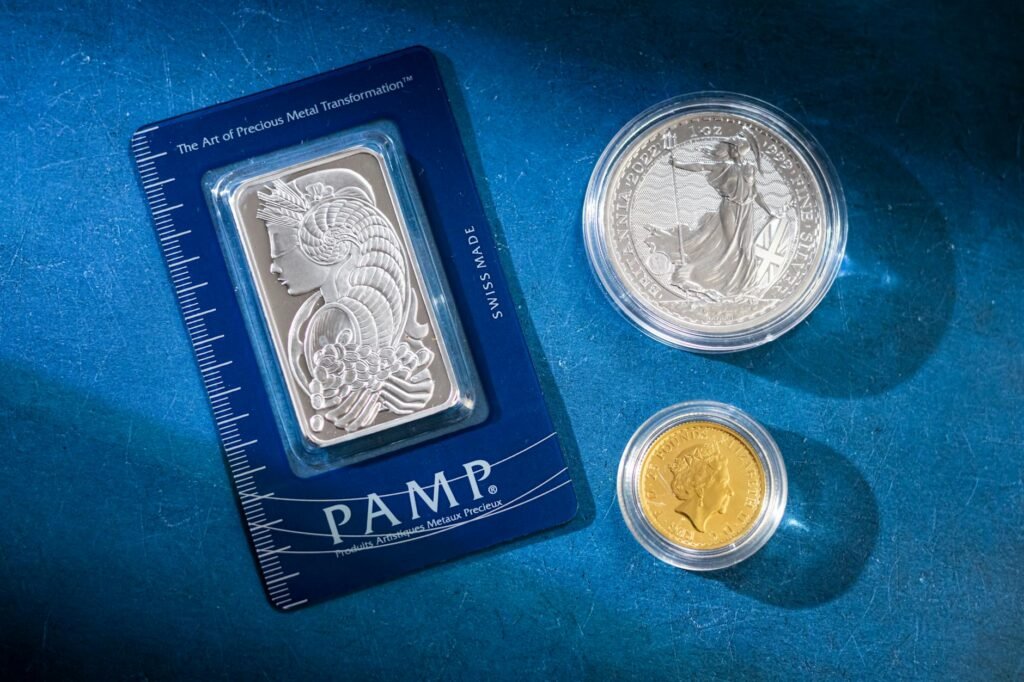
For those who prefer tangible assets, purchasing physical silver in the form of coins (e.g., American Silver Eagles, Canadian Maple Leafs) or bars (ranging from 1 oz to 1000 oz) is a classic choice. The appeal lies in direct ownership and a hedge against systemic financial risk. However, consider storage costs, insurance, and the premium you pay over the spot price when buying, and the discount you might receive when selling.
2. Silver Exchange-Traded Funds (ETFs) and Exchange-Traded Notes (ETNs)
ETFs and ETNs offer a convenient and liquid way to gain exposure to silver prices without the hassle of physical storage. These instruments typically track the spot price of silver or silver-related indices. Examples include funds like SLV or PSLV (though always verify the specific holdings and structure). They are ideal for investors seeking market exposure and easy trading, but they carry counterparty risk and may not always hold physical silver directly.
3. Silver Mining Stocks: Leveraging the Upside
Investing in silver mining companies can provide leveraged exposure to silver prices. When silver prices rise, the profitability of these companies often increases disproportionately, leading to potentially higher stock valuations. However, this also means greater risk: mining stocks are subject to operational challenges, geopolitical risks, rising energy costs, labor disputes, and management effectiveness, independent of the silver price itself.
When considering silver mining stocks in 2026, perform thorough due diligence:
- Financial Health: Look for strong balance sheets, manageable debt, and consistent profitability.
- Production Costs: Companies with lower All-In Sustaining Costs (AISC) per ounce are more resilient to price fluctuations.
- Project Pipeline: Evaluate future growth potential through exploration and development projects.
- Jurisdiction: Consider the political stability and regulatory environment of the countries where mines are located.
- ESG Factors: Environmental, Social, and Governance considerations are increasingly important, affecting public perception and access to capital.
Given the strong industrial outlook for silver, well-managed mining companies with proven reserves and efficient operations could present compelling opportunities in 2026.
4. Silver Futures and Options
For advanced investors with a higher risk tolerance, futures and options contracts offer the ability to speculate on silver price movements with significant leverage. These instruments require a deep understanding of market dynamics, as potential gains are amplified, but so are potential losses.
Strategic Silver Investing Tips for 2026
To maximize your potential returns and mitigate risks when investing in silver this year, consider these practical tips:
- Diversify Your Exposure: Don’t put all your eggs in one basket. Combine physical silver with ETFs and a selection of strong mining stocks to spread risk.
- Monitor Industrial Trends: Keep a close eye on developments in solar, EVs, and electronics. These sectors are key drivers for silver demand.
- Track the Gold/Silver Ratio: Use it as a valuation tool to assess whether silver is undervalued relative to gold, informing your buying or selling decisions.
- Understand Your Risk Tolerance: Silver can be volatile. Only invest what you can afford to lose and ensure your silver allocation aligns with your overall financial strategy.
- Stay Informed: Geopolitical events, central bank policies, and global economic forecasts can all impact silver prices.
Conclusion
Silver’s unique blend of industrial utility and monetary appeal positions it as a fascinating and potentially rewarding investment for 2026. With robust demand fueled by green technologies and a gold/silver ratio that hints at significant upside potential, ‘the other precious metal’ could shine brightly this year. Whether through physical holdings, liquid ETFs, or high-growth mining stocks, understanding the nuances of the silver market is key to harnessing its power. As always, diligent research and a diversified approach remain paramount for any successful investment journey. Silver in 2026 isn’t just an alternative; it could be an essential component of a forward-thinking portfolio.