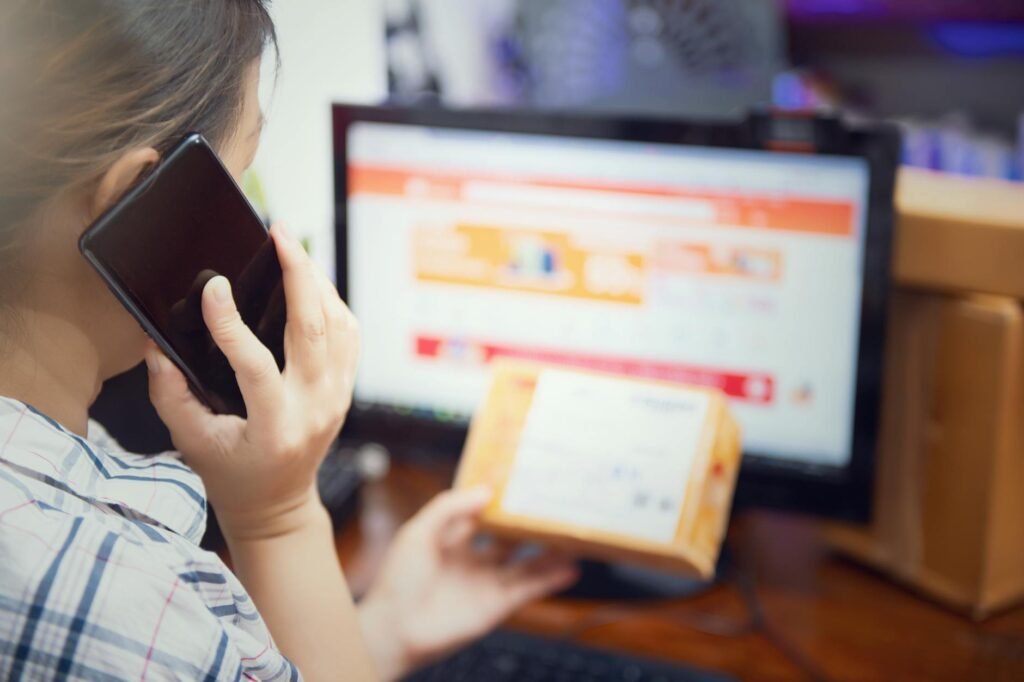

The e-commerce landscape in 2026 is vastly different from the early days of simple arbitrage. Today, dropshipping has matured into a sophisticated, highly profitable business model for entrepreneurs who know how to leverage emerging technologies. With global retail e-commerce sales projected to surpass $8 trillion this year, building a lean, asset-light online store remains one of the fastest paths to wealth creation. If you want to capture your slice of this massive market, you must adapt to 2026 standards: hyper-personalized customer experiences, lightning-fast logistics, and AI-driven operations. Here is your definitive, step-by-step guide to launching a profitable dropshipping store in 2026.
1. Predictive Product Research: Finding Winning Niches in 2026
In 2026, relying on gut feeling or manually scrolling through social media feeds to find products is obsolete. Successful dropshippers now use AI-driven predictive analytics to spot consumer trends before they reach peak demand. Advanced tools analyze real-time search velocity, sentiment analysis on visual platforms, and global import-export data to pinpoint high-margin opportunities.
Focus on Sustainable and Smart Product Categories
Consumer preferences have shifted permanently toward sustainability, functionality, and smart living. When conducting your product research, prioritize these fast-growing sectors:
- Eco-Conscious Living: Biodegradable household items, zero-waste personal care kits, and solar-powered utility gadgets.
- Smart Home Ergonomics: Premium accessories designed for permanent hybrid and remote workers to optimize comfort and productivity.
- Pet Tech and Wellness: Interactive smart pet toys, automated health trackers, and organic pet nutrition products.
- Micro-Niche Hobbyist Gear: Highly specialized tools and apparel designed for dedicated, passionate communities.
Always target products with a perceived value that allows for at least a 3x markup. Sourcing a high-quality product for $15 means it should easily command a retail price of $45 to $50. This healthy margin is essential to absorb modern customer acquisition costs and maintain profitability.
2. Supplier Selection: Prioritizing Speed and Quality Control
The days of making customers wait two to three weeks for a delivery are officially over. In 2026, if you cannot deliver your products within 5 to 7 business days, your brand will struggle to survive. Modern dropshipping requires a highly efficient supply chain model that combines overseas manufacturing cost benefits with localized fulfillment speed.
Vetting Your Manufacturing and Logistics Partners
Instead of relying on basic, unvetted directories, partner with professional sourcing agents and suppliers who offer regional warehousing in your target markets (such as the US, EU, or UK). When interviewing potential suppliers, always ask these critical questions:
- Do you have inventory pre-positioned in regional warehouses close to my target audience?
- What is your exact daily order processing time, and do you provide automated tracking feeds?
- Can you accommodate custom packaging, branded inserts, and private labeling once my order volume scales?
- What is your policy for handling damaged items, and do you offer automatic refunds for defective products?
Securing a reliable supplier who acts as a collaborative business partner is the absolute best way to protect your brand reputation and keep your payment processor chargeback rates safely below the 1% threshold.
3. The 2026 Marketing Playbook: Social Commerce and UGC
Customer acquisition channels have evolved rapidly. While search engine marketing remains a stable pillar, the vast majority of e-commerce conversions in 2026 occur directly inside social platforms through integrated social commerce checkout funnels on platforms like TikTok, Instagram, and YouTube.
Mastering Short-Form Video and Micro-Influencer Seeding
To convert casual social media scrollers into active buyers, your marketing strategy must revolve around authentic, engaging short-form video. Static banner ads no longer yield high conversion rates.
First, execute a micro-influencer seeding campaign. Ship free product samples to creative influencers who have highly engaged audiences of 5,000 to 30,000 followers. In return, request raw, authentic user-generated content (UGC) that showcases your product solving a specific problem in daily life.
Second, utilize AI-assisted video editing platforms to rapidly create and test multiple variations of your video hooks. By testing different visual hooks every single week, you can optimize your cost-per-acquisition (CPA) and prevent ad fatigue. Finally, make sure your online store is fully optimized for one-click mobile checkout, as mobile traffic accounts for over 85% of modern e-commerce visits.
4. Scaling Your Operations: Automation and Brand Equity
True financial freedom in e-commerce is unlocked when you transition from a simple online store into a recognizable, sustainable brand. Once you establish a winning product that generates consistent daily sales, it is time to scale your operations and build long-term business equity.
Transitioning to a Hybrid 3PL Model
When your store consistently reaches 20 to 30 orders per day, you should transition to buying your inventory in bulk. Shift this bulk inventory to a professional third-party logistics (3PL) provider. This operational shift dramatically lowers your unit costs, enables reliable 2-to-3-day shipping times, and allows you to customize your unboxing experience with personalized brand inserts and custom packaging.
Implementing Intelligent Automation
To scale your business without working 80 hours a week, automate your repetitive administrative tasks. Deploy AI-powered customer service agents to handle up to 90% of routine inquiries—such as tracking requests, returns, and basic product questions. This leaves you free to focus entirely on high-level strategic growth, creative marketing, and brand expansion.
5. Step-by-Step 2026 Store Launch Checklist
Ready to build your digital asset and take control of your financial future? Follow this streamlined, action-oriented checklist to launch your brand successfully:
- Market Validation: Use advanced database search tools to verify a high-demand niche with a solid 3x markup potential.
- Store Optimization: Build a clean, conversion-focused storefront using fast-loading, mobile-optimized themes on platforms like Shopify.
- Secure Suppliers: Establish partnerships with vetted suppliers offering domestic shipping options to ensure rapid delivery.
- Legal Structure: Form a dedicated business entity (like an LLC) and open a business bank account to keep your personal assets protected.
- Launch Video Campaigns: Partner with micro-creators to generate high-converting UGC and push them live on social commerce channels.
- Analyze and Optimize: Review your store data weekly, scale winning ad creatives, and plan your transition to bulk inventory as sales stabilize.
Conclusion: Start Building Your Wealth Today
Starting a dropshipping business in 2026 is not a get-rich-quick scheme. It is a genuine opportunity to build a modern, technology-enabled, highly scalable retail brand. By prioritizing excellent product curation, rapid shipping speeds, and cutting-edge social media marketing, you can build an online business that generates sustainable, long-term wealth. The tools are more powerful than ever, and the global consumer base is ready. Take action, apply these strategies, and start building your digital empire on Gainsium today.