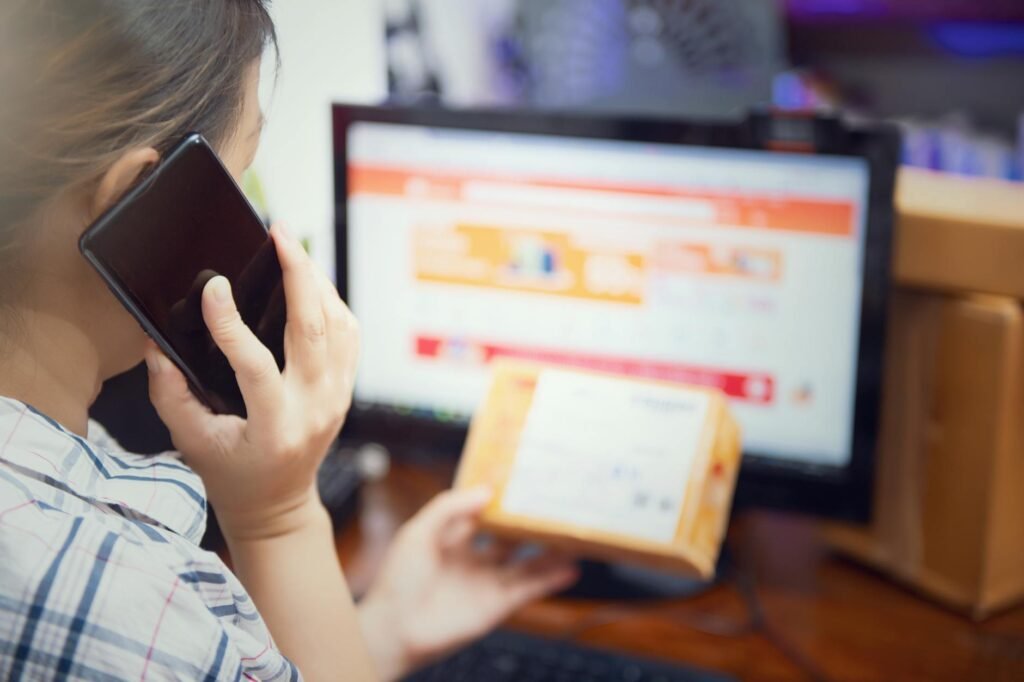

The Evolution of Dropshipping in 2026
Is dropshipping dead in 2026? Far from it. However, the days of throwing cheap, low-quality items from generic overseas marketplaces onto a basic storefront and waiting for riches are officially over. In 2026, dropshipping has matured into a sophisticated, highly automated retail model. Driven by hyper-personalized AI marketing, ultra-fast local supply chains, and social commerce integration, the modern dropshipping landscape offers unprecedented opportunities for smart entrepreneurs who know how to navigate it.
At Gainsium, we believe in building sustainable wealth. To succeed in dropshipping today, you must treat your store not as a get-rich-quick scheme, but as a legitimate brand. This comprehensive guide will walk you through the exact blueprint required to launch, market, and scale a profitable dropshipping business in 2026.
Step 1: Product Research in the Age of Predictive AI
To succeed today, you must find products that solve unique problems or tap into deeply passionate communities. In 2026, product research relies heavily on predictive AI analytics. Successful dropshippers no longer guess what will sell; they use advanced algorithms to spot micro-trends before they go mainstream.
Winning Product Categories in 2026
- Smart-Home & Automation Accessories: Devices that integrate with next-generation AI home systems.
- Eco-Conscious & Sustainable Goods: Products made from biodegradable or recycled materials, as consumers increasingly prioritize green brands.
- Bio-Hacking & Wellness Wearables: Niche recovery tools, posture correctors, and wellness gadgets that cater to the health-conscious demographic.
- Pet Tech & Ergonomics: Smart pet feeders, interactive toys, and orthopedic pet bedding.
Instead of manually browsing marketplaces, leverage tools like Exploding Topics, Helium 10, or AI-powered ad-scraping software to analyze consumer search patterns and social media velocity. Look for products with a healthy profit margin (ideally 3x to 4x cost of goods sold) to leave ample room for advertising spend.
Step 2: Securing Reliable Suppliers with Local Hubs
Shipping times can make or break your business. In 2026, consumers expect delivery within 3 to 5 business days, and patience for 30-day overseas shipping has evaporated. To meet this demand, top-tier dropshippers utilize domestic 3PL (Third-Party Logistics) networks and local supply hubs.
Platforms like Spocket, Zendrop, and AutoDS have evolved to offer seamless integration with regional warehouses in the US, Europe, and Australia. When vetting your suppliers, prioritize those who can guarantee:
- Fast processing times: Orders should be packaged and shipped within 24 to 48 hours.
- Custom packaging options: The ability to add your brand’s logo and custom inserts to build brand equity.
- Easy return policies: A clear, domestic return process to keep customer satisfaction high.
Always order product samples to your own home first. This allows you to test the shipping speed, inspect the packaging quality, and create unique, high-quality video content for your marketing campaigns.
Step 3: Building a Frictionless, Social-First Storefront
Your online store is your digital storefront, and it needs to be optimized for mobile and social integration. Platforms like Shopify remain the gold standard, but the way customers shop has fundamentally shifted. In 2026, social commerce is the primary driver of e-commerce sales.
Your store must seamlessly connect with platforms like TikTok Shop, Instagram Shopping, and YouTube Commerce. Customers should be able to purchase your products directly inside their favorite social media apps without ever leaving the feed. For those who do visit your website, ensure your store features:
- One-Click Checkouts: Integrate Apple Pay, Google Pay, and Shop Pay to reduce cart abandonment.
- Augmented Reality (AR) Previews: Simple AR integrations that allow customers to visualize the product in their space or on their body.
- AI Chatbots: Intelligent customer service agents that answer product questions instantly, securing conversions 24/7.
Step 4: Cutting-Edge Marketing Strategies for 2026
Traditional Facebook image ads are no longer enough to scale a store. Today’s marketing is all about short-form video content, creator partnerships, and community-building.
Leveraging AI-Generated Video and Micro-Influencers
Create organic, highly engaging video ads using generative AI video tools. However, do not rely solely on software. The most effective strategy in 2026 is partnering with micro-influencers (1,000 to 50,000 followers). These creators command highly engaged audiences and possess immense trust. Offer them free products and an affiliate commission on every sale they generate.
Mastering Native Social Selling
Host live-shopping events or produce high-quality, shoppable short-form videos (Reels, TikToks, Shorts). Focus on storytelling and showing the product in action. Address the customer’s pain points immediately within the first three seconds of the video to capture their attention in a fast-paced digital world.
Step 5: Scaling to Six Figures and Transitioning to a Hybrid Model
Once your store gains traction and hits consistent daily sales, it is time to scale operations. Scaling in 2026 requires transitioning from pure dropshipping into a hybrid e-commerce model.
Use your dropshipping store to test market demand and identify your best-selling items. Once you have a proven winner, negotiate bulk pricing with your supplier, purchase inventory upfront, and store it in a local 3PL warehouse. This transition allows you to:
- Drastically reduce shipping times to 1-2 days.
- Significantly increase your profit margins by buying in bulk.
- Fully customize the packaging, turning your store into a valuable, sellable brand asset.
Conclusion
Dropshipping in 2026 is a dynamic, high-tech, and incredibly lucrative business model for those willing to adapt to the new rules of retail. By utilizing predictive AI for product research, partnering with fast local suppliers, leveraging social commerce, and scaling into a hybrid brand, you can build a sustainable stream of wealth. The tools have never been more powerful—now is the time to take action and launch your store.