
Recession vs. Depression: Key Differences & Market Impact Explained
Understanding the distinctions between a recession and a depression is crucial for anyone seeking to comprehend economic cycles and their potential impact on financial markets. While both terms describe periods of economic contraction, a depression represents a far more severe and prolonged downturn than a recession, with distinct characteristics and far-reaching implications for the global economy and individual investors.
Defining Economic Downturns
Recession: A Temporary Contraction
A recession is generally defined as a significant decline in economic activity spread across the economy, lasting more than a few months, normally visible in real GDP, real income, employment, industrial production, and wholesale-retail sales. In the United States, the National Bureau of Economic Research (NBER) is the official arbiter, though a commonly cited rule of thumb is two consecutive quarters of negative real Gross Domestic Product (GDP) growth.
Key characteristics of a recession typically include:
- Slowing Employment: Job losses become more prevalent, and unemployment rates rise.
- Reduced Consumer Spending: Households cut back on discretionary purchases, impacting retail sales.
- Declining Industrial Production: Factories produce less as demand weakens.
- Falling Corporate Profits: Businesses experience lower earnings, which can lead to reduced investment and further job cuts.
Historically, recessions are relatively common events, often occurring every 5-10 years. They are typically shorter in duration, lasting anywhere from a few months to a couple of years. Examples include the dot-com bust in the early 2000s, the Great Financial Crisis of 2008, and the brief but sharp pandemic-induced downturn in 2020.
Market Implications of a Recession
During a recession, financial markets often exhibit predictable patterns:
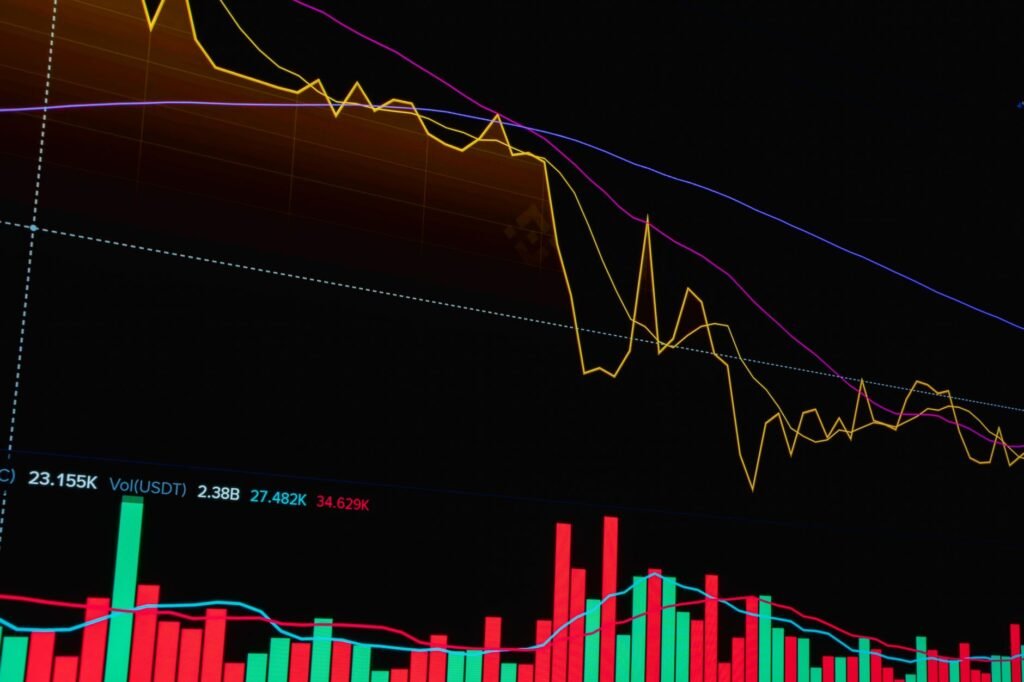
- Stock Markets: Often enter bear market territory, with significant declines as corporate earnings forecasts are revised downwards and investor confidence wanes. These declines can sometimes begin before the official start of a recession, as markets are forward-looking.
- Bond Markets: Government bonds, particularly those from stable economies, typically experience a flight to safety. As investors seek less risky assets, demand for bonds can increase, driving prices up and yields down.
- Commodities: Prices for industrial commodities, such as oil and metals, often fall due to reduced global demand from slowing economic activity.
- Monetary and Fiscal Policy: Central banks typically respond by lowering interest rates to stimulate borrowing and investment. Governments may implement fiscal stimulus measures, such as increased spending or tax cuts, to boost demand. In 2026, central banks continue to navigate the balance between managing inflation and supporting economic growth, with policy adjustments closely watched for their potential to influence the duration and severity of any economic slowdown.
Depression: A Prolonged and Severe Contraction
Characteristics of a Depression
A depression is an extreme and prolonged form of a recession. While there’s no universally agreed-upon technical definition, it is generally understood to be characterized by:
- Extreme Unemployment: Rates can soar to 20% or even higher, leading to widespread joblessness and poverty.
- Massive Credit Contraction: Banks become unwilling or unable to lend, stifling business investment and consumer spending.
- Widespread Bankruptcies: Businesses of all sizes fail in large numbers.
- Severe Deflation: A persistent and significant fall in general price levels, which can discourage spending and investment as consumers delay purchases in anticipation of lower prices.
- Significant Decline in International Trade: Global commerce shrinks dramatically as countries impose protectionist policies or simply have less to trade.
The most famous and devastating example is the Great Depression of the 1930s, which lasted for nearly a decade and saw unemployment reach 25% in the United States. Such events are exceptionally rare, reflecting systemic failures and profound economic imbalances.
Market Implications of a Depression
The impact of a depression on financial markets is far more catastrophic than that of a recession:
- Stock Markets: Experience prolonged and massive declines, often losing 80% or more of their value over several years. Recovery can be excruciatingly slow.
- Bond Markets: While government bonds might still be seen as a safe haven, the sheer scale of economic collapse can undermine confidence even in sovereign debt. Corporate bonds face extremely high default risk.
- Commodities: Prices would collapse entirely due to a near-total collapse in demand across all sectors.
- Policy Response: Requires unprecedented, large-scale, and often unconventional monetary and fiscal interventions, as seen with the
Disclaimer: This article is provided for general informational and educational purposes only and does not constitute financial, investment, trading, or legal advice. Gainsium is not a registered investment advisor. Markets are volatile and past performance does not guarantee future results. Readers should conduct their own research and consult a licensed financial advisor before making any investment decisions.