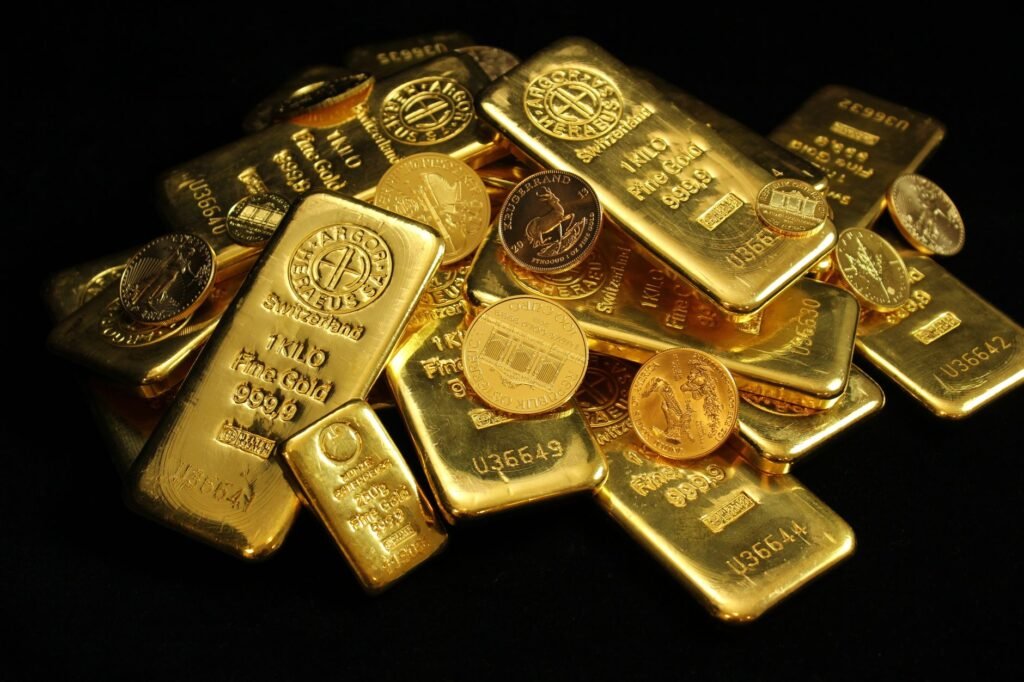

In 2026, as the global landscape continues to navigate a complex array of political and economic uncertainties, understanding gold’s enduring appeal as a safe-haven asset becomes increasingly relevant. Geopolitical risks, ranging from regional conflicts to trade disputes and shifting international alliances, often serve as significant catalysts for increased demand for gold, bolstering its traditional role as a store of value when stability is elusive. This article explores how these ongoing tensions contribute to gold’s reputation and influence its demand dynamics in the current year.
The Enduring Allure of Gold in Uncertain Times
Gold has long been revered across civilizations not just for its beauty, but primarily for its intrinsic value and perceived stability. This attribute becomes particularly pronounced during periods of global unrest. A “safe-haven” asset is generally defined as an investment that is expected to retain or increase in value during times of market turbulence or economic downturn. For many investors, gold has consistently fit this description, often exhibiting an inverse correlation with traditional risk assets during crises.
Historically, when geopolitical tensions escalate, such as during international conflicts or significant political upheaval, the demand for gold often sees an uptick. This phenomenon is rooted in several factors, including its physical nature as a tangible asset, its universal acceptance, and perhaps most crucially, its freedom from counterparty risk. Unlike bonds or equities, gold does not represent a promise from a government or corporation that could default; it simply exists. This tangibility offers a sense of security that purely digital or paper assets may not provide when trust in financial institutions or government stability is questioned.
Geopolitical Pressures Shaping Gold Demand in 2026
The year 2026 is characterized by a continuation of multifaceted geopolitical challenges that are widely reported. Ongoing regional conflicts, the persistent threat of cyber warfare, and evolving international trade relationships contribute to an environment of sustained global uncertainty. These dynamics invariably influence investor sentiment and asset allocation decisions, often driving capital towards assets perceived as resilient.
Regional Instability and Conflict
One of the most direct ways geopolitical risks influence gold’s safe-haven status is through regional instability and armed conflict. When conflicts emerge or intensify, they create immediate uncertainty about economic stability, supply chains, and the broader international order. This uncertainty frequently prompts investors to seek refuge in assets like gold, which are less correlated with the performance of specific national economies or currencies directly impacted by the conflict. The expectation is that gold will preserve purchasing power when other assets may falter. The fear of widespread disruption and potential economic fallout tends to elevate gold’s appeal as a universally accepted medium of exchange and a reliable store of wealth.
Economic Nationalism and Trade Tensions
Beyond overt conflict, the rise of economic nationalism and persistent trade tensions also plays a significant role. When major global economies engage in tariff disputes or impose restrictions on international commerce, it introduces volatility into global markets and can dampen prospects for economic growth. Such conditions can lead to concerns about currency depreciation or inflation, prompting a re-evaluation of portfolios. In these scenarios, gold is often considered for its potential to hedge against economic instability and as an alternative store of value to fiat currencies whose stability may be questioned. The desire to insulate portfolios from the economic consequences of international friction can significantly boost gold demand.
Central Bank Activity and Sovereign Purchases
A notable trend influencing gold’s demand, particularly prominent in recent years and continuing into 2026, is the sustained acquisition of gold by central banks globally. Many central banks view gold as a crucial component of their reserve assets, offering diversification away from traditional reserve currencies and providing a hedge against geopolitical risk and economic volatility. These strategic purchases, often made quietly and consistently, underscore gold’s perceived long-term value and its role in sovereign wealth management during uncertain times. Such institutional buying provides a strong underlying support for gold’s market structure, reflecting a collective belief among nations in its safe-haven attributes.
Gold as a Portfolio Stabilizer
The concept of gold as a safe haven extends beyond its direct response to breaking geopolitical news. It is also valued for its historical role as a portfolio stabilizer, especially during periods when traditional asset classes, such as equities and bonds, experience significant stress. During major market downturns triggered by geopolitical shocks, gold has often demonstrated a tendency to perform differently, sometimes even appreciating, thereby offering a degree of insulation to a diversified portfolio.
Hedge Against Inflation and Currency Devaluation
Geopolitical tensions can have direct and indirect impacts on inflation and currency stability. For instance, disruptions to global supply chains caused by conflicts can drive up commodity prices, fueling inflation. Similarly, large-scale government spending in response to geopolitical events or sanctions can lead to concerns about sovereign debt and potential currency devaluation. In such environments, gold’s historical ability to act as a hedge against inflation and preserve purchasing power across different currencies is a compelling factor for its safe-haven appeal. Investors and institutions may turn to gold to protect their wealth from erosive economic forces, seeing it as a tangible asset less susceptible to the printing presses or policy whims of individual nations.
Investor Psychology and Flight to Quality
Ultimately, a significant component of gold’s safe-haven status is rooted in investor psychology. When the future appears uncertain, and traditional financial markets exhibit heightened volatility, a “flight to quality” often occurs. This involves investors moving capital from perceived risky assets into those considered safer, more reliable, and historically resilient. Gold, with its long-standing reputation as a crisis asset, frequently becomes a primary beneficiary of this psychological shift, reflecting a collective human response to fear and uncertainty in the financial realm. The ease with which gold can be traded globally and its deep liquidity further enhance its appeal during times when swift capital redeployment is desired.
Conclusion
In 2026, the intricate interplay of geopolitical risks continues to reinforce gold’s traditional role as a safe-haven asset. From direct military conflicts and regional instabilities to the subtler pressures of economic nationalism and the strategic decisions of central banks, these global dynamics consistently underpin gold’s demand. While gold’s price, like any asset, is subject to numerous market forces, its enduring appeal in turbulent times stems from its unique characteristics: its tangibility, its historical precedent as a store of value, and its ability to act as a hedge against the uncertainties that geopolitical events introduce into the global economy. For those navigating the complexities of the 2026 financial landscape, understanding these dynamics is key to comprehending gold’s place in the broader economic picture.
Disclaimer: This article is provided for general informational and educational purposes only and does not constitute financial, investment, trading, or legal advice. Gainsium is not a registered investment advisor. Markets are volatile and past performance does not guarantee future results. Readers should conduct their own research and consult a licensed financial advisor before making any investment decisions.